
Baby Heat Rash vs Diaper Rash in India: Complete Difference Guide for 2026
Heat rash (prickly heat/miliaria) appears in skin folds like neck, armpits, and inner thighs with tiny red bumps, caused by sweat trapped under skin. Diaper rash appears only in the diaper area with redness, rawness, or blistering, caused by moisture, friction, and urine/stool contact. They need different treatments: heat rash needs breathable clothes and talc-free powders; diaper rash needs frequent nappy changes and moisture barriers.
ℹ️ General information, not medical advice. If your baby seems unwell or anything worries you, talk to your paediatrician. Medical disclaimer
⚡ In a hurry? Our quick picks


If you're a parent in India, you've probably stared at your baby's skin during summer and thought, "Is this heat rash or diaper rash?" Both cause red, uncomfortable bumps-but they're completely different problems with completely different fixes. Getting this wrong means treating the wrong area with the wrong cream, which wastes money and keeps your baby uncomfortable.
🏆 Quick comparison: our top picks
| Product | Award | Rating | Price | |
|---|---|---|---|---|
 Himalaya Prickly Heat Powder Talc-Free Himalaya Prickly Heat Powder Talc-Free
|
🏆 Editor's Choice | ★ 4.2 2,341 reviews |
₹75 | Check price → |
 Sebamed Baby Cream Sebamed Baby Cream
|
👑 Premium Pick | No ratings yet | ₹611 | Check price → |
 Chicco Baby Moments Powder Talc-Free Chicco Baby Moments Powder Talc-Free
|
🪙 Budget Pick | No ratings yet | ₹170 | Check price → |
🛒 Our Top Picks


Best-reviewed overall, 4.2★ across 2,341 ratings.
Himalaya Prickly Heat Powder Talc-Free
- ✓ Talc-free formulation
- ✓ Cooling menthol agent
- ✓ 100g pack
* We earn a small commission — at no extra cost to you.

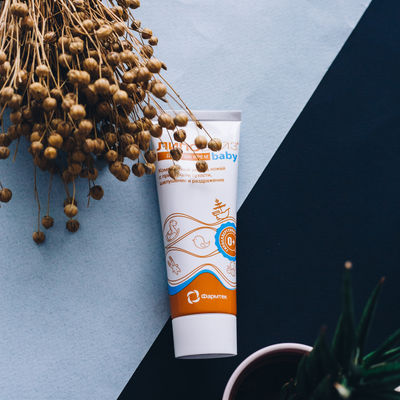
Top of the range, for parents who want the best features.
Sebamed Baby Cream
- ✓ pH 5.5 balanced formula
- ✓ Moisture barrier for diaper rash
- ✓ 100ml tube
* We earn a small commission — at no extra cost to you.

Lowest price that still clears our 3.8★ / 100-review bar.
Chicco Baby Moments Powder Talc-Free
- ✓ Talc-free, hypoallergenic
- ✓ Cooling agents
- ✓ 150g pack
* We earn a small commission — at no extra cost to you.
Daily baby tips, exclusive Amazon deals & real parent advice — free forever.
This guide will teach you exactly how to spot the difference, where to look on your baby's body, and which products actually work in Indian heat. By the end, you'll know precisely what you're dealing with and what to do about it.
What is Baby Heat Rash (Prickly Heat/Miliaria)?
Heat rash (also called prickly heat or miliaria): a skin condition where sweat gets trapped under the skin because sweat ducts are blocked, causing tiny red bumps, usually on areas where skin touches skin or where clothes trap heat and moisture.
Heat rash happens because babies' sweat regulation systems aren't fully mature. When your baby sweats-from weather, overdressing, or sleeping under heavy blankets-the sweat can't escape properly. The ducts get blocked, sweat pools under the skin, and inflammation causes those characteristic red bumps and that prickly, itchy feeling.
The bumps are usually tiny and clustered together, often with a slightly raised texture. Many parents describe them as looking like sandpaper or goosebumps. Unlike diaper rash, heat rash doesn't involve any wetness or oozing-just dry, irritated skin.
Common locations for heat rash on Indian babies:
- Neck folds and creases (very common)
- Armpits and underarms
- Inner elbows and behind knees
- Groin area (though not the diaper area itself)
- Anywhere skin touches skin, especially when clothes are tight or synthetic
What is Diaper Rash?
Diaper rash (diaper dermatitis): inflammation of skin in the diaper area caused by prolonged contact with urine, stool, moisture, friction, and occasionally yeast or bacteria.
Diaper rash is about moisture, bacteria, and the chemistry of urine on skin. When a nappy stays wet for too long, the skin softens (maceration), the protective barrier breaks down, and bacteria or yeast take hold. It's a moisture problem, not a heat/sweat problem.
Diaper rash typically looks bright red, raw, or inflamed. Sometimes you'll see blisters, pustules, or a shiny, wet appearance. It can smell distinctly of urine because urine is directly involved. Some babies get diaper rash from a yeast infection (candida), which looks more like red patches with satellite lesions (smaller red bumps around the edges).
Diaper rash appears only in the diaper area: buttocks, genitals, and the tops of thighs where the nappy sits. It never appears on the neck, armpits, or other skin folds unless those areas are also covered by a nappy (rare).
Side-by-Side: Heat Rash vs Diaper Rash Comparison
| Feature | Heat Rash (Prickly Heat) | Diaper Rash |
|---|---|---|
| Location | Neck, armpits, skin folds, inner thighs, creases | Diaper area only (buttocks, genitals, thigh tops) |
| Appearance | Tiny red bumps, clustered, sandpapery texture | Bright red, raw, blistered, wet, or shiny |
| Smell | None (or just sweat) | Strong urine or yeast smell |
| Root Cause | Trapped sweat, blocked sweat ducts | Moisture, urine, friction, yeast/bacteria |
| Itching/Discomfort | Prickly, itchy sensation | Sore, painful-baby cries during nappy changes |
| Skin Condition | Dry, irritated | Wet, macerated, or weeping |
Treatment: What Actually Works
Heat rash treatment focuses on keeping skin dry, cool, and breathable. Diaper rash treatment focuses on moisture barriers and frequent nappy changes. Use the wrong one and it won't work.
For Heat Rash:
- Switch to 100% cotton clothes immediately-avoid polyester and synthetic fabrics that trap sweat
- Use a talc-free powder to absorb moisture (talc is now discouraged by IAP guidelines due to inhalation concerns)
- Keep baby in air-conditioned or well-ventilated spaces during peak heat (11 AM-4 PM)
- Avoid heavy blankets and multiple layers
- Bathe baby with cool (not cold) water once or twice daily
For Diaper Rash:
- Change nappies every 2-3 hours, or immediately after poop
- Use a moisture-barrier cream at every nappy change
- Air out the diaper area for 10-15 minutes after each change if possible
- Switch to a hypoallergenic or fragrance-free nappy brand if rash persists
- Avoid wipes with alcohol or strong fragrance-use plain water and cotton wool for sensitive skin
Recommended Products for 2026
For heat rash, Himalaya Prickly Heat Powder (talc-free) at around Rs. 75 is a trusted choice among Indian parents. It lists talc-free formulation on its Amazon.in product page and contains cooling agents like menthol. Chicco Baby Moments Powder (approx. Rs. 145) is another talc-free option with positive reviews on Amazon.in for heat rash in neck folds and armpits.
For diaper rash, Sebamed Baby Cream (around Rs. 345) is specifically formulated as a moisture barrier and is recommended by many paediatricians for preventing and treating diaper dermatitis. It lists a pH-balanced formula suited to baby skin on its product label.
When to See Your Paediatrician
Heat rash usually clears within 2-3 days once you remove the heat and moisture source. Diaper rash can take 3-5 days with proper treatment. If either condition persists beyond a week, spreads rapidly, shows signs of infection (yellow pus, warmth, swelling), or your baby develops fever, contact your paediatrician immediately.
Also visit your doctor if you suspect a yeast infection-diaper rash with a white coating or satellite lesions needs antifungal treatment, not just a moisture barrier.
Prevention Tips for Indian Summers: Dress your baby in single layers of 100% cotton during 30°C+ weather. If you're in tier 2 cities (Jaipur, Lucknow, Chandigarh) without reliable AC, use a cooler with wet cloths to reduce room temperature, and keep a handheld fan directed away from baby. Change nappies immediately after wetting. Never leave baby in a hot car or direct sunlight, even for short periods.
What Paediatricians Say
Indian Academy of Pediatrics (IAP) guidelines emphasize that heat rash is preventable through proper clothing and ventilation-it's not a disease requiring medication. For diaper rash, frequent nappy changes and zinc oxide-based creams are the first-line treatment, with antifungal creams reserved for confirmed yeast infection. Most heat rash resolves on its own once environmental factors change; diaper rash requires active moisture management at every nappy change.
Frequently Asked Questions
Can heat rash appear in the diaper area?
Is talc powder safe for babies in 2026?
How long does heat rash take to go away?
Can I use the same cream for both heat rash and diaper rash?
My baby has heat rash in the neck folds. Should I keep the neck area covered?
What temperature triggers heat rash in Indian babies?
Daily baby tips, exclusive Amazon deals & real parent advice — free forever.