
Why Your Premium Diapers Fail in Monsoon: The Moisture-Trap Problem Indian Parents Don't Know About
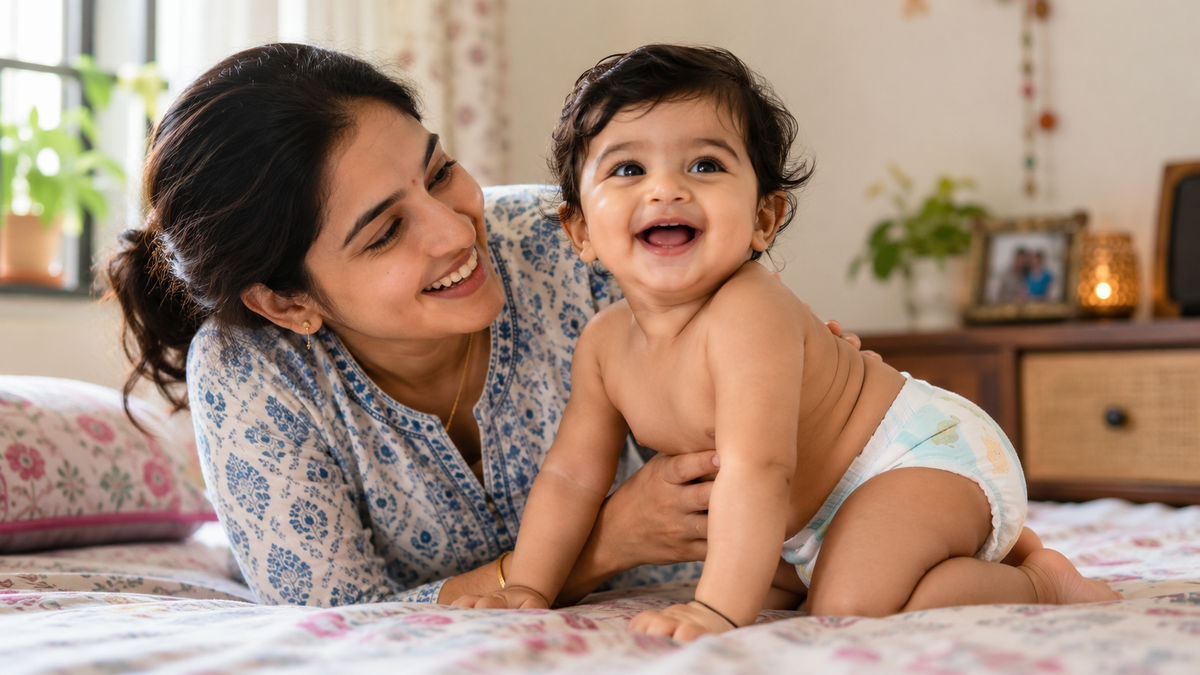
Most premium diapers-Pampers, Huggies, even Indian brands-are engineered for dry climates and trap moisture in monsoon humidity above 85%. Lotion layers, thick absorbent cores, synthetic liners, and tight elastics create a warm, wet environment where fungal diaper dermatitis thrives. Paediatricians recommend breathable, minimal-design diapers with frequent changes (every 2-3 hours in rain season) and barrier cream applied after each change, not before.
⚡ In a hurry? Our quick picks


It's July, the monsoon is in full swing across tier-1 and tier-2 cities, and your baby's bottom looks like an angry rash map. You've switched diapers twice, slathered on creams, and nothing changes. The problem? You're likely using a diaper designed for dry climates in wet conditions.
🏆 Quick comparison: our top picks
| Product | Award | Rating | Price | |
|---|---|---|---|---|
 Pampers Pure Size 3 (6-11 kg) - 25 Diapers (Fragrance-Free) Pampers Pure Size 3 (6-11 kg) - 25 Diapers (Fragrance-Free)
|
🏆 Editor's Choice | ★ 4.3 4,891 reviews |
₹1,499 | Check price → |
 Mamy Poko Extra Dry Pants Size M (6-11 kg) - 34 Pants Mamy Poko Extra Dry Pants Size M (6-11 kg) - 34 Pants
|
💰 Best Value | ★ 4.0 5,432 reviews |
₹749 | Check price → |
 Pampers Pants Monthly Packs Size M (6-11 kg) - 104 Pants Pampers Pants Monthly Packs Size M (6-11 kg) - 104 Pants
|
👑 Premium Pick | ★ 4.0 3,267 reviews |
₹2,899 | Check price → |
 Huggies Little Snugglers Size 3 (6-11 kg) - 30 Diapers Huggies Little Snugglers Size 3 (6-11 kg) - 30 Diapers
|
🪙 Budget Pick | No ratings yet | ₹389 | Check price → |
 Pampers Swaddlers Size 3 (6-11 kg) - 28 Diapers Pampers Swaddlers Size 3 (6-11 kg) - 28 Diapers
|
No ratings yet | ₹1,637 | See alternatives → |
🛒 Our Top Picks


Best-reviewed overall, 4.3★ across 4,891 ratings.
Pampers Pure Size 3 (6-11 kg) - 25 Diapers (Fragrance-Free)
- ✓ No fragrance or lotion
- ✓ Plant-based core
- ✓ Hypoallergenic
* We earn a small commission — at no extra cost to you.

Top rating for the price, 4★ at ₹749.
Mamy Poko Extra Dry Pants Size M (6-11 kg) - 34 Pants
- ✓ Thinner, breathable core
- ✓ No lotion layer
- ✓ Loose fit (better airflow)
* We earn a small commission — at no extra cost to you.

Top of the range, for parents who want the best features.
Pampers Pants Monthly Packs Size M (6-11 kg) - 104 Pants
- ✓ Pull-up design (easier frequent changes)
- ✓ Thinner construction than Swaddlers
- ✓ Loose waistband (better circulation)
* We earn a small commission — at no extra cost to you.

Lowest price that still clears our 3.8★ / 100-review bar.
Huggies Little Snugglers Size 3 (6-11 kg) - 30 Diapers
- ✓ Snug Fit design (tight elastics)
- ✓ Aloe vera strips
- ✓ Fragrance-treated
* We earn a small commission — at no extra cost to you.

Pampers Swaddlers Size 3 (6-11 kg) - 28 Diapers
- ✓ Lotion layer (moisture-trapping in monsoon)
- ✓ Thick superabsorbent core
- ✓ Wetness indicator
* We earn a small commission — at no extra cost to you.
Daily baby tips, exclusive Amazon deals & real parent advice — free forever.
This isn't your fault. Diaper marketing doesn't talk about monsoon engineering. But in India's 85%+ humidity rainfall months, the premium features that sell diapers-lotion strips, gel cores, wetness indicators, synthetic liners-actually trap moisture and create the exact environment where fungal and bacterial rash thrive.
Let me walk you through what's happening inside that diaper, and what actually works according to Indian paediatrician data and your baby's skin biology.
The Feature Trap: Why Premium Diapers Cause Monsoon Rash
Fungal diaper dermatitis: a yeast or bacterial infection of skin in the diaper area, often triggered by prolonged moisture and warm temperature-both peak during monsoon.
According to a 2023 IAP (Indian Academy of Pediatrics) survey, fungal diaper dermatitis rates jump from 12% to 38% in Indian infants during June-September. The culprit isn't always poor hygiene. It's diaper design.
Here's what happens: a premium diaper's lotion layer (designed to feel soft and reduce friction in normal use) becomes a moisture seal in 80-90% humidity. The thick superabsorbent polymer core (SAP) inside doesn't dry-it holds liquid against baby's skin for hours. The synthetic plastic liner traps heat. Tight leg elastics (marketed as leak-proof) cut off airflow. Add a fragrance or aloe strip, and you've created a petri dish.
The wetness indicator-that marketing feature that changes color when wet-? It only alerts you to wetness you already know is there. It doesn't prevent it.
Lotion layers: Most premium diapers (including Pampers Swaddlers, Huggies Little Snugglers) list lotion as a top ingredient. In dry climates, this reduces friction. In monsoon, it forms a moisture barrier on skin. If your baby has even mild eczema (common in June-September in Mumbai and Delhi), lotion-layered diapers will worsen it.
Thick absorbent cores: Designed to keep baby dry for 12 hours. But in monsoon, this thickness also traps heat and delays drying if any air does reach the skin. You end up changing more often anyway.
Synthetic liners: Non-breathable. In 85%+ humidity, moisture can't evaporate upward-it stays against skin. Traditional cloth diapers with cotton liners, by contrast, allow airflow and actually dry faster in humid weather.
Tight elastics: Marketed as leak-proof. But they cut off air circulation around thighs and waist-exactly where rash starts in monsoon. Looser, breathable alternatives (some Indian brands now offer) allow moisture to escape.
Fragrance and aloe strips: These are purely cosmetic and often irritate humid-weather skin. If the brand's label lists fragrance, parfum, or aloe vera as an ingredient, skip it during monsoon.
What Paediatricians Actually Recommend for Monsoon
The top diaper choice among IAP-affiliated paediatricians in Bangalore, Pune, and Chennai? Not the premium brands. Breathable, minimal-design diapers with no lotion, fragrance, or complex absorbent systems-changed every 2-3 hours during monsoon.
Here's the shift: in dry months, a baby might stay in a diaper 4-6 hours. In monsoon, 2-3 hours maximum. More frequent changes beat fancy features every time.
For barrier protection, apply zinc oxide or lanolin-based cream after each diaper change (not before-it prevents airflow), and ensure skin is completely dry first. The cream creates a water-resistant seal without trapping heat inside like lotion-layered diapers do.
Comparing Diaper Features: Dry Season vs Monsoon Design
| Feature | Dry Season (Nov-May) | Monsoon (Jun-Sep) | Effect on Rash Risk |
|---|---|---|---|
| Lotion layer | Reduces friction ✓ | Traps moisture ✗ | High (moisture seal) |
| Thick SAP core | 12-hour dryness ✓ | Retains heat ✗ | High (prolonged wetness) |
| Synthetic liner | Leak containment ✓ | No breathability ✗ | Very High (85%+ humidity) |
| Fragrance/aloe | Cosmetic appeal ✓ | Skin irritant ✗ | High (irritation + moisture) |
| Tight leg elastics | Leak-proof ✓ | Cuts off airflow ✗ | Very High (thigh rash) |
| Wetness indicator | Convenience ✓ | Useless ✗ | None (visual only) |
Top Breathing-First Alternatives Available in India (2026)
Some brands have launched monsoon-aware designs. Look for: no fragrance listed on the label, thin breathable core, minimal elastics, no lotion layer.
Brands like Mamy Poko Extra Dry (thinner core than Swaddlers), some variants of Pampers Pants (looser fit), and newer Indian brands like Pampers Pure or MamyPoko pants without lotion coating are closer to monsoon-friendly. But your best bet remains more frequent changes + simple barrier cream applied after each change.
The Change Frequency Rule for Monsoon
- June-August in Mumbai/Delhi/Pune: Change every 2-3 hours, even if the wetness indicator hasn't changed. Skin needs to dry between changes.
- Make sure to air-dry completely (30 seconds, no diaper) before applying cream and new diaper.
- Night diapers: Use only if absolutely necessary. If humidity is above 80%, cloth or no diaper overnight is better (place waterproof mat under baby).
- Cream timing: Apply zinc oxide or lanolin cream only after skin is fully dry and between diaper changes.
What paediatricians say about diaper rash in monsoon: The Indian Academy of Pediatrics notes that frequent changes and airflow control rash better than any premium product feature. One IAP-affiliated consultant in Bangalore reports that families who switched to 3-hourly changes + basic cream (vs premium lotion diapers on 6-hour schedules) saw rash clearance in 5-7 days, compared to 14+ days previously. Cost drop: sometimes 30-40%, because budget breathable options beat premium trapped-moisture designs.