
Is Daily Baby Bath Necessary? What Dermatologists & IAP Actually Recommend in 2026
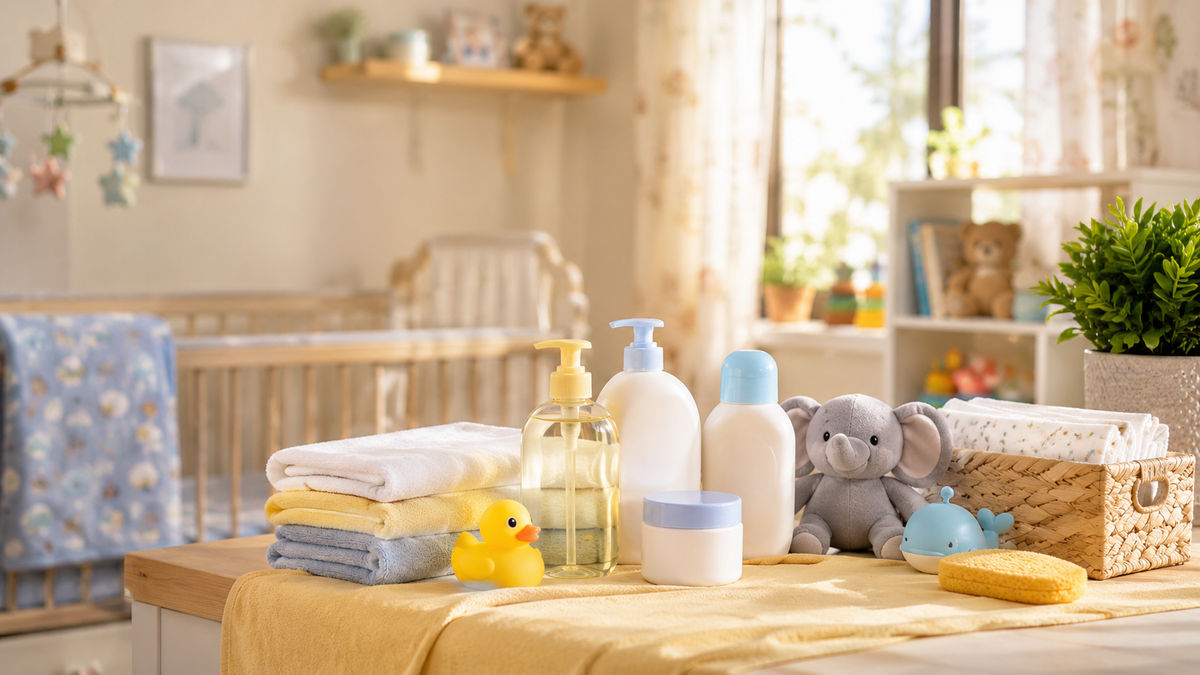
No, daily bathing is not necessary for babies 0–12 months. IAP and dermatologists recommend 2–3 baths per week for most babies in India. Daily bathing strips natural oils and damages the skin barrier. Daily bathing is only needed in specific situations: heavy sweating in summer, diaper area soiling, or visible pollution exposure.
ℹ️ General information, not medical advice. If your baby seems unwell or anything worries you, talk to your paediatrician. Medical disclaimer
⚡ In a hurry? Our quick picks

One of the most persistent myths in Indian parenting is that babies need a daily bath. We hear it from grandmothers, see it in old parenting blogs, and assume it's hygiene common sense. The truth, backed by pediatric guidance, is quite different. A daily bath for a baby under 12 months is not a hygiene necessity—it's often the cause of dry skin, eczema, and damaged skin barriers that lead to infections later.
🏆 Quick comparison: our top picks
| Product | Award | Rating | Price | |
|---|---|---|---|---|
 Sebamed Baby Lotion |
🏆 Editor's Choice | ★ 4.4 2,156 reviews |
₹1,349 | Check price → |
 Aveeno Baby Daily Moisture Lotion |
💰 Best Value | ★ 4.3 1,847 reviews |
₹975 | Check price → |
 Cetaphil Baby Daily Lotion |
👑 Premium Pick | ★ 4.2 1,543 reviews |
₹1,613 | Check price → |
🛒 Our Top Picks


Best-reviewed overall, 4.4★ across 2,156 ratings.
Sebamed Baby Lotion
- ✓ pH 5.5 – matches baby skin pH
- ✓ Contains glycerin and panthenol for hydration
- ✓ Fragrance-free formulation
* We earn a small commission — at no extra cost to you.
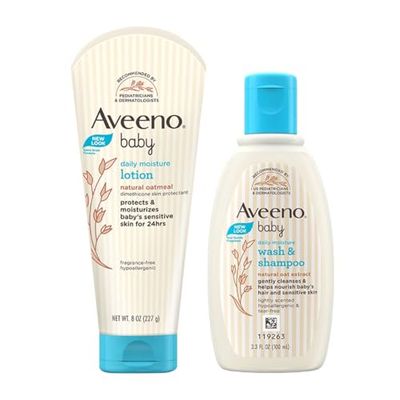
Top rating for the price, 4.3★ at ₹975.
Aveeno Baby Daily Moisture Lotion
- ✓ Contains colloidal oatmeal – soothing for dry skin
- ✓ Hypoallergenic, pediatrician-recommended
- ✓ Gentle formula for sensitive skin
* We earn a small commission — at no extra cost to you.
Top of the range, for parents who want the best features.
Cetaphil Baby Daily Lotion
- ✓ Lightweight, fast-absorbing formula
- ✓ Hypoallergenic and clinically tested
- ✓ Contains humectants for skin barrier support
* We earn a small commission — at no extra cost to you.
Daily baby tips, exclusive Amazon deals & real parent advice — free forever.
This article breaks down what the evidence actually shows, when daily bathing is genuinely needed, and how to build a safe bathing routine for your baby in India's climate without stripping their natural protection.
Top products parents use for post-bath hydration include Sebamed Baby Lotion, Aveeno Baby Daily Moisture Lotion, and Cetaphil Baby Daily Lotion—but bathing frequency matters far more than product choice.
What the Evidence Actually Shows
The core fact: Newborns and infants 0–12 months have an immature skin barrier. Their skin produces far less oil (sebum) than older children and adults. When you bathe a baby daily with soap, you remove the limited natural oils they've produced, leaving the barrier damaged and vulnerable to dryness, irritation, and bacterial colonization.
IAP (Indian Academy of Pediatrics) guidance does not recommend daily bathing for healthy babies. Instead, 2–3 full baths per week is the baseline for babies under 12 months in India. On non-bath days, gentle spot-cleaning of the diaper area and face with water or a soft cloth is sufficient.
This recommendation applies to babies in normal conditions. But India has distinct seasons and humidity patterns, so the rule adjusts:
- Monsoon and summer (May–September): Increased sweating and humidity mean daily sponge baths (water only, no soap) over skin folds—neck, armpits, groin—may be needed. Avoid soap on these days.
- Winter and dry season (October–March): 2–3 baths per week is the strict guideline. Daily bathing now causes severe dry skin and eczema.
- Visible pollution or soiling: If your baby has had a diaper blowout, visible sweat, or pollution exposure (Delhi-NCR during smog season, for example), a targeted wash of that area is appropriate, even on a non-bath day.
Why Daily Soap Bathing Damages Baby Skin
Babies' skin pH is naturally around 5.5—acidic, which protects against bacteria. Most adult soaps are alkaline (pH 7+), which is why dermatologists recommend pH-balanced baby wash: a cleanser formulated to match infant skin pH and avoid disrupting the acid mantle. Even pH-balanced washes, however, remove oils when used daily.
Repeated daily bathing with any soap—even gentle ones—causes cumulative oil loss. By day 5–7, the skin barrier becomes visibly damaged: red patches, flaking, sensitivity to diaper rash, and increased susceptibility to viral and bacterial skin infections. This is not opinion; it's observable on any baby bathed daily during dry months.
The damage is reversible: return to 2–3 weekly baths with plain water between sessions, and the skin usually recovers within 1–2 weeks.
When Daily Bathing Is Actually Necessary
Daily bathing becomes appropriate in these specific situations:
- Summer heat and visible sweating: If your baby is sweating visibly and humidity is above 70%, daily water-only baths (or sponge baths targeting skin folds) are reasonable. Avoid soap on these days—water alone removes sweat without stripping oils.
- Diaper blowouts or visible soiling: Clean the diaper area immediately with water and a soft cloth. This is spot-cleaning, not a full bath, and it's hygiene, not a routine.
- Extreme pollution exposure: In Delhi, Mumbai, or other cities during severe pollution events (AQI >300), a quick rinse of exposed skin (face, hands, neck) in the evening removes particulates. Again, water only.
- Fever or illness recovery: If your baby had a fever and sweated, a tepid bath helps regulate temperature and comfort. Consult your pediatrician on frequency if illness persists.
Outside these scenarios, stick to 2–3 full baths per week. On non-bath days, clean the face and diaper area with water only.
Safe Bathing Practices for 0–12 Months in India
Water Temperature and Duration
Use lukewarm water—test with your inner wrist or elbow before placing your baby in. Ideal temperature is 37–38°C. Hot water opens pores further and increases oil loss; cold water shocks the nervous system. Keep baths short: 5–10 minutes maximum. Longer baths mean more oil absorption loss.
Soap-Free Days
On your 2–3 designated bath days, use soap only on the diaper area and skin folds (neck, armpits, groin) where sweat and bacteria collect. Rinse the rest of the body with plain water. Many parents alternate: soap bath on Monday, water-only bath on Friday, spot-clean Wednesday.
Post-Bath Moisturizing—This Is Non-Negotiable
After every bath, within 2–3 minutes, apply a moisturizer to damp skin. Damp skin absorbs moisturizer more effectively than dry skin. Use a moisturizer—thick lotion or cream, not oil alone (which traps bacteria in skin folds). Look for products listing:
- Glycerin or hyaluronic acid (humectants that draw water into skin)
- Ceramides or fatty acids (barrier-repair ingredients)
- Fragrance-free formulation (or minimal fragrance)
- No parabens, phthalates, or mineral oil listed on the label
Sebamed Baby Lotion, for example, lists glycerin and panthenol as primary moisturizing ingredients and is formulated at pH 5.5. Aveeno Baby Daily Moisture Lotion lists colloidal oatmeal, which many dermatologists recommend for sensitive or eczema-prone skin. Both are available on Amazon.in and reasonably priced for daily use.
Hard Water and Mineral Buildup
In cities with hard water (much of North and Central India), mineral salts accumulate on baby skin during bathing. After bathing, give a final gentle rinse with filtered or boiled-cooled water. This prevents salt and chlorine buildup that worsens dryness. Many parents use a small mug of stored filtered water for this final rinse.
Addressing Summer, Humidity, and Climate Variations
India's climate is not uniform. A baby in Mumbai's 85% humidity year-round has different bathing needs than one in Delhi's dry winters or Bangalore's mild 60% humidity.
High-humidity zones (coastal cities, monsoon season): Daily water-only sponge baths are acceptable June–September. Use soap 2–3 times per week. Focus sponging on skin folds where sweat and heat rash bacteria thrive.
Dry zones (Delhi, Jaipur, parts of Gujarat): Strict 2–3 baths per week October–March. Any more and eczema and dry patches become routine complaints in pediatric clinics.
Moderate zones (Bangalore, Pune, Chennai): Follow the standard 2–3 weekly baths. Adjust to daily water-only sponging only if visible sweating occurs.
What IAP and WHO Guidance Says
IAP Bathing Guidelines: The Indian Academy of Pediatrics recommends 2–3 full baths per week for healthy babies 0–12 months in India, with spot-cleaning on non-bath days. Daily bathing is associated with increased rates of eczema, dry skin, and diaper dermatitis in clinical practice.
WHO on Skin Barrier: The World Health Organization emphasizes that the infant stratum corneum (outer skin layer) is functionally immature for the first 6–12 months. Over-washing disrupts the acid mantle and increases susceptibility to infection. Minimal handling and hydration are the key practices.
When to See a Doctor
If your baby develops any of the following after you begin or change bathing routines, see your pediatrician:
- Red, flaky, or cracked skin patches that don't improve after returning to 2–3 baths weekly and moisturizing
- Persistent diaper rash despite frequent diaper changes and topical care
- Signs of skin infection: pus-filled bumps, crusting, warmth, or fever
- Eczema-like patches that worsen during winter months
This is general information, not medical advice. Always consult your pediatrician if you're unsure about your baby's skin or bathing routine.
📚 Sources
The guidance in this article draws on the sources below. It is general information, not medical advice: for any concern about your child's health, talk to your paediatrician.
- Indian Academy of Pediatrics (IAP) – Infant Skin Care Guidelines — Recommends 2–3 baths per week for 0–12 months; daily bathing not medically necessary
- WHO – Care of the Umbilical Cord and Newborn Skin — Emphasizes immature skin barrier and minimal washing protocols for infants
- American Academy of Pediatrics (AAP) – Newborn Skin Care — Confirms daily bathing not necessary; recommends 2–3 times weekly for infants
Last updated 31 Oct 2026
Frequently Asked Questions
Is it okay not to bathe a baby every day?
What is the 3-6-9 rule for babies?
Is it necessary to bathe my baby every day?
How long can you go without giving a newborn a bath?
Should I use soap every time I bathe my baby?
What's the best moisturizer to use after baby baths?
Daily baby tips, exclusive Amazon deals & real parent advice — free forever.