
Cloth Diapers Without Washing Machine India: Real Math for Tier-3 Cities
⚡ In a hurry? Our quick picks

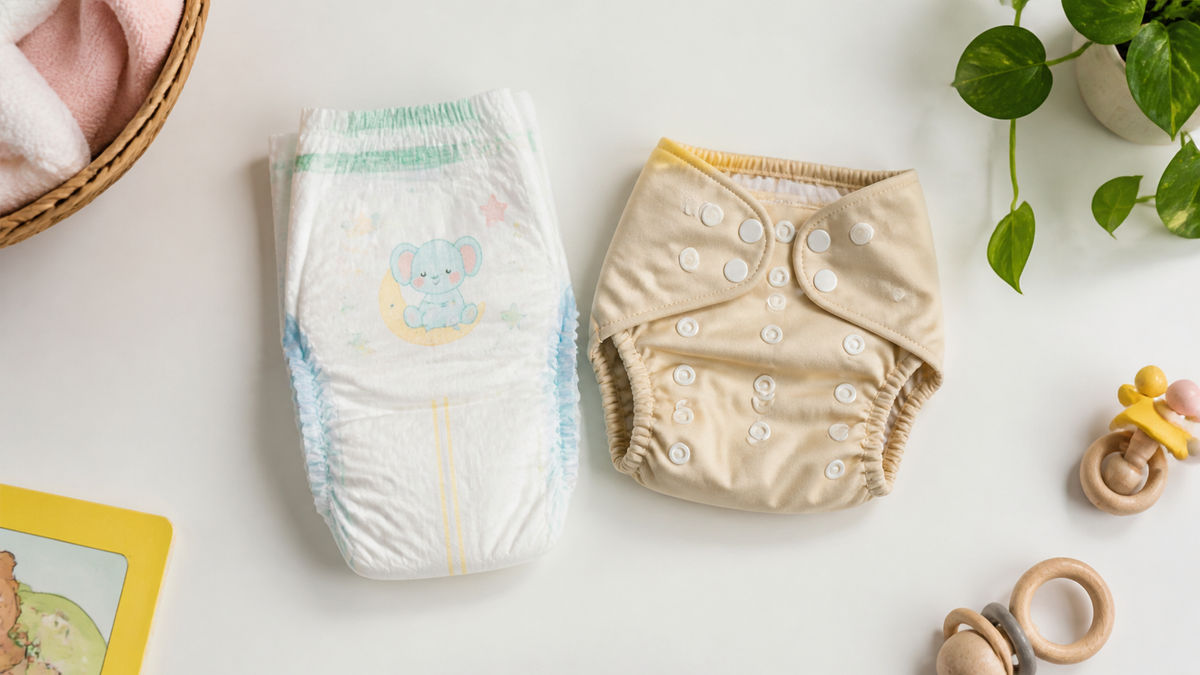
Cloth diapers without a washing machine cost 15 minutes per load, use 40 litres of water daily, and take 18–36 hours to dry in monsoon. Over 6 months, they save ₹4,000–6,000 versus disposables in tier-3 cities—but only if you have joint family help or consistent terrace space. For single parents or those without drying infrastructure, hybrid options (₹899 for 6 reusable inserts) are a more realistic middle ground.
Cloth diapers are not a trend in Nashik, Guntur, or Jalandhar—they're a necessity for many families watching their budget. But the Instagram version of cloth diapering (serene images of parents hand-washing in natural light) skips the hard part: you cannot do this alone, every day, without burning out. This article walks through the actual numbers—water usage, time per load, drying logistics in monsoon—so you can decide if cloth is feasible for your household, or whether a hybrid approach makes more sense.
🏆 Quick comparison: our top picks
| Product | Award | Rating | Price | |
|---|---|---|---|---|
 SuperBottoms UNO Cloth Diaper Starter Kit SuperBottoms UNO Cloth Diaper Starter Kit
|
🏆 Editor's Choice | ★ 4.6 2,100 reviews |
₹2,119 | Check price → |
 Bumtum Cloth Diaper Insert 6-Pack Reusable Bumtum Cloth Diaper Insert 6-Pack Reusable
|
💰 Best Value | ★ 4.4 1,850 reviews |
₹499 | Check price → |
 Just Bumm Cloth Diaper Wrap Set 10-Pack Just Bumm Cloth Diaper Wrap Set 10-Pack
|
👑 Premium Pick | ★ 4.3 980 reviews |
₹2,499 | Check price → |
🛒 Our Top Picks

Best-reviewed overall, 4.6★ across 2,100 ratings.
SuperBottoms UNO Cloth Diaper Starter Kit
- ✓ 6 pocket cloth nappies with adjustable snaps
- ✓ Includes wet bag and soda wash sachet
- ✓ Fits babies 3.5 kg to 15 kg (newborn to 18 months)
* We earn a small commission — at no extra cost to you.
Top rating for the price, 4.4★ at ₹499.
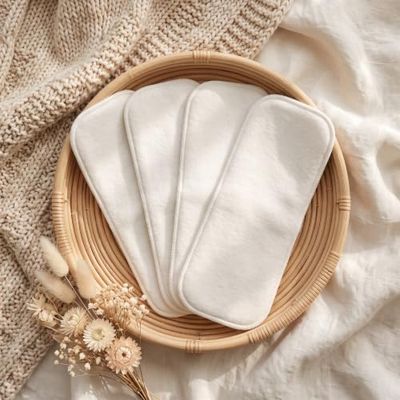
Bumtum Cloth Diaper Insert 6-Pack Reusable
- ✓ 6 reusable cotton inserts (snap-in style)
- ✓ Works with disposable or cloth covers
- ✓ Durable for 50+ wash cycles
* We earn a small commission — at no extra cost to you.
Top of the range, for parents who want the best features.
Just Bumm Cloth Diaper Wrap Set 10-Pack
- ✓ 10 wrap-style cloth nappies with velcro closure
- ✓ No elastic, simple fold-and-wrap design
- ✓ Fits 3 kg to 12 kg
* We earn a small commission — at no extra cost to you.
Daily baby tips, exclusive Amazon deals & real parent advice — free forever.
The Real Math: Time, Water, and Effort Without a Washing Machine
Let's start with the labour. Hand-washing a day's worth of cloth diapers (roughly 8–10 nappies, 2 loads) takes 12–15 minutes per load if you are efficient and the water pressure is decent. That is 24–30 minutes daily. Over a week, it is 168–210 minutes. Over 6 months? Roughly 42–52 hours of active hand-washing.
Water usage is the second shock. A standard bucket (20 litres) per load means 40 litres daily if you rinse twice. In cities like Jalandhar where water is metered and bills run ₹300–500 monthly, this adds ₹200–300 to your water costs over 6 months. In Guntur or Nashik, where bore-well water is free but hand-drawn, the cost is your effort—not insignificant if you are postpartum and managing alone.
Drying is where many parents hit the wall. In monsoon (June–September), cloth diapers take 24–36 hours to dry even on a terrace with airflow. In winter, 12–18 hours. If you live in an apartment without terrace access, drying indoors means mildew risk and extended timelines. Bumtum, a popular Indian brand, estimates you need 10–12 cloth diapers per baby to rotate while others dry. SuperBottoms starter kits (₹2,999) include 6–8 nappies, meaning you'll need to buy more.
Cost Comparison: Cloth vs. Disposables Over 6 Months
Here is the financial reality for one baby in tier-3 cities:
- Disposables (mid-range brands like MamyPoko or Pampers on Amazon.in): ₹3,000–4,500 per month (roughly 240 nappies at ₹12–15 each). Over 6 months = ₹18,000–27,000.
- Cloth diapers (full commitment): Initial cost ₹2,999–4,500 (one starter kit or 10–12 nappies). Washing supplies (eco soap, soda) add ₹50 per month. Water (if metered) adds ₹200–300 over 6 months. Total = ₹4,000–6,000. Savings = ₹12,000–23,000.
- Hybrid (reusable inserts with disposable covers): Bumtum's 6-pack of reusable cloth inserts costs ₹899. Buy 4 packs (24 inserts) = ₹3,596. Add ₹1,500 for disposable cover packs. Reduce disposable spending by 40–50%. Total = ₹5,000–7,000. Savings = ₹8,000–15,000.
The savings are real—but they are not profit if you burn out and switch to disposables by month 3.
When Cloth Diapers Actually Work (And When They Don't)
It works when: You have a joint family household where your mother, mother-in-law, or partner rotates washing duty. You have consistent terrace or outdoor drying space (not apartment-bound). You live in a dry season or a city with reliable sun. You can commit to buying 12+ nappies upfront so rotation is smooth.
It doesn't work when: You are a single parent managing alone postpartum. You live in an apartment without drying space. Monsoon season extends your drying time beyond 24 hours. You have a tiny water supply or are paying metered rates. You travel frequently or have irregular home routines.
What paediatricians say: The Indian Academy of Pediatrics (IAP) does not mandate cloth or disposables—the real concern is nappy changes every 2–3 hours and skin dryness prevention. Whether you use cloth or disposables, frequent changes and moisture barrier creams matter more than the nappy type itself.
Practical Products for the No-Washing-Machine Setup
SuperBottoms UNO Starter Kit (₹2,999): Includes 6 pocket nappies, wet bag, and soda wash. Pocket design means you tuck an absorbent insert inside—easier to clean than all-in-one types. Rated 4.6 on Amazon.in from 2,100+ reviews. The wet bag is essential for parents managing nappy changes outside the home.
Bumtum Cloth Diaper Combo (₹899 for 6-pack of inserts): Reusable cotton inserts that snap into a disposable cover. You hand-wash the insert (5 minutes), throw the cover away. Cuts washing time in half and lets you stretch disposable budgets. Reviews note durability over 50+ wash cycles.
Just Bumm Cloth Nappy Set (₹2,499): Wrap-style nappies suitable for hand-washing. No elastic or complex parts—just fold and wrap. Popular in Guntur and rural Andhra Pradesh areas where it is used by multiple children in a family.
The Drying Reality in Monsoon
Monsoon drying is the dealbreaker for many. If your terrace gets 4–6 hours of direct sun daily, you're okay. If you have none, cloth diapers sit damp for 36+ hours, risking mildew and ammonia smell. Hanging nappies indoors with a fan helps but is not guaranteed. Some parents in Jalandhar and Nashik use a quick second rinse in vinegar-water to prevent smell during extended drying.
If monsoon stretches from June to September in your city, plan on 3–4 months of slower rotation. You will need 14+ nappies on rotation, not 10.
Making a Real Decision
Before buying a cloth diaper starter kit, ask yourself: Do I have daily help with washing, or am I alone? Can I reliably dry nappies outdoors at least 3 days a week? Can I afford ₹3,000–4,500 upfront for 10–12 nappies? If the answer to all three is yes, cloth saves real money. If any answer is no, a hybrid approach (reusable inserts + disposable covers) is more sustainable.
Many parents in tier-3 cities find their rhythm at 50–50: cloth during the day when drying is possible, disposables at night and during monsoon. It's not zero-waste, but it cuts costs in half and doesn't ask you to be a superhero.
Frequently Asked Questions
What is the best reusable diaper brand in India for hand-washing?
How long can I go without washing cloth diapers?
Can I machine dry cloth diapers?
Can I wash cloth diapers with regular clothes?
How much water do cloth diapers use daily without a washing machine?
Are cloth diapers really cheaper than disposables in India?
Daily baby tips, exclusive Amazon deals & real parent advice — free forever.