
Choking Hazards for Toddlers: IAP-Safe Food Cuts & What to Avoid Under Age 3

Whole nuts, peanuts, makhana, grapes, hard sweets, popcorn, and large paneer chunks are high-risk choking foods for toddlers under 3 years. The rule: cut all foods into pea-sized pieces, keep your child upright while eating, and never leave them unattended during meals. Infant CPR knowledge is essential.
⚡ In a hurry? Our quick picks
Your 18-month-old reaches for a whole grape at lunch, and you freeze. That split-second panic—is it safe?—is something nearly every Indian parent faces. Choking is one of the leading causes of unintentional injury in children under 4, and it happens silently, fast, and often with foods you thought were fine. This guide cuts through the confusion with exact foods to avoid, how to cut them safely, and what every parent needs to know about infant CPR.
🏆 Quick comparison: our top picks
| Product | Award | Price | |
|---|---|---|---|
 Chicco Polly 2-in-1 High Chair |
👑 Premium Pick | ₹18,701 | Check price → |
 Silicone Mesh Feeder Bag (Self-Feeding Pouch) |
🪙 Budget Pick | ₹279 | Check price → |
 LuvLap Comfy High Chair |
₹2,749 | Check price → |
🛒 Our Top Picks


The highest-priced option in this guide.
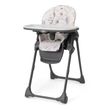
Chicco Polly 2-in-1 High Chair
- ✓ Adjustable height and recline
- ✓ Removable tray for easy cleaning
- ✓ 5-point safety harness
* We earn a small commission — at no extra cost to you.

The lowest-priced option in this guide.
Silicone Mesh Feeder Bag (Self-Feeding Pouch)
- ✓ Soft silicone construction with tiny mesh holes
- ✓ Lets baby suck puree without choking risk
- ✓ Reusable and dishwasher safe
* We earn a small commission — at no extra cost to you.

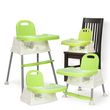
LuvLap Comfy High Chair
- ✓ Cushioned seat for comfort
- ✓ Removable and washable tray
- ✓ 4-point safety harness
* We earn a small commission — at no extra cost to you.
Daily baby tips, exclusive Amazon deals & real parent advice — free forever.
What the Evidence Actually Shows About Choking Risk
Choking hazard: any food that is round, hard, sticky, or too large for a toddler's windpipe (which is about the diameter of a pea until age 4). According to IAP (Indian Academy of Pediatrics) feeding guidelines, the majority of choking incidents in India involve foods that are round, firm, or served in chunks. Unlike drowning or falls, choking leaves no bruises and happens without warning—which is why prevention through food preparation is the only real control.
The foods that cause the most choking incidents in Indian homes are not exotic—they are everyday items your family eats regularly. WHO guidance emphasizes that choking is almost entirely preventable through proper food texture and constant supervision. Here's the non-negotiable list of high-risk foods and the safe alternatives.
High-Risk Foods to Avoid Whole or in Large Pieces Until Age 4
- Whole nuts and peanuts: Almonds, cashews, peanuts, walnuts. Never serve whole. The hard shell and round shape are both hazards. Crush or grind finely into paste, or skip until age 4.
- Makhana (fox nuts): Popular in Indian homes, especially for toddler snacks. Whole makhana is hard and can lodge in the throat. Crush completely before serving, or soak and mash.
- Whole grapes and similar fruits: Round, firm, and exactly the size of a toddler's airway. Always cut lengthwise into quarters—never halves.
- Hard sweets, candy, and lollipops: Choking and aspiration risk. Avoid entirely until age 5.
- Popcorn: Kernels are hard and can fragment; hulls lodge easily. Skip until age 4.
- Large chunks of paneer: Paneer is dense and doesn't break down easily in the mouth. Cut into pea-sized cubes only—never offer cubes larger than 5mm.
- Whole dried fruits: Dates, apricots, prunes, and raisins are sticky and can plug the airway. Chop finely or soak until very soft.
- Whole cherry tomatoes and similar round vegetables: Cut lengthwise into quarters.
Safe Cutting Rules by Age
6–12 months (Starting Solids): Puree or mash all foods. No chunks. Soft foods like ragi porridge, dal puree, mashed banana, and steamed pumpkin are ideal. If you use a silicone mesh feeder (soft pouch with tiny holes that lets baby suck puree through), you eliminate choking risk entirely while introducing flavors—typically cost around 200–350 Rs. on Amazon.in.
12–24 months: Introduce soft finger foods the size of a pea or smaller. Steam vegetables until very soft, crumble paneer into tiny pieces, mash fruit completely. Avoid anything hard or round. This is the peak choking age because toddlers grab food but can't chew efficiently.
24+ months: You can introduce slightly larger pieces (about the size of a chickpea), but never round foods, nuts, or hard items. Supervise every meal. Cut grapes into quarters minimum, paneer into 5mm cubes, and cook all vegetables until they are soft enough to mash between your fingers.
Feeding Setup That Reduces Risk
The physical environment matters as much as the food itself. A high chair keeps your toddler upright, which aids swallowing and makes choking less likely. Look for chairs with:
- A tray that keeps food contained and visible
- A secure harness to prevent standing or twisting
- Easy cleanup (silicone or plastic surface)
The Chicco Polly 2-in-1 High Chair (around 3,500 Rs. on Amazon.in) is a common choice among Indian parents for its compact frame and stable base. The LuvLap Comfy High Chair (also around 3,500 Rs.) is another reliable option with a cushioned seat and removable tray for washing. Both keep your child upright and still. Never let your toddler eat while crawling, standing, or playing—sitting, upright, and supervised is the only safe rule.
Never Leave Them Unsupervised—The Golden Rule
Even the safest cut food can be a hazard if you step away. Stay at arm's length during every meal. Do not let older siblings feed a toddler unsupervised. Remove all small objects from the eating area—coins, buttons, pen caps, and toy parts are common choking hazards too, not just food.
What to Do If Your Child Is Choking
Know the difference: gagging (coughing, turning red, eyes watering) is normal and actually protective—the body clearing the airway. Choking (silent, no sound, unable to cry or cough) is an emergency. If your child cannot cough, cry, or breathe, call 112 immediately and perform infant CPR:
- For children under 1 year: Five back blows between the shoulder blades with the heel of your hand, then five chest thrusts with two fingers on the breastbone. Repeat until the object is expelled or the child becomes unconscious.
- For children 1–4 years: Five abdominal thrusts (Heimlich maneuver)—place your fist just above the navel, below the ribcage, and press upward sharply. Alternate with five back blows.
Every parent should take an infant CPR course before a baby starts solids. Red Cross and many hospitals in India (Delhi, Mumbai, Bangalore, Pune) offer certified training. This knowledge takes one hour and could save your child's life.
What IAP and WHO Guidance Says
IAP (Indian Academy of Pediatrics): Recommends that all solid foods for children under 3 be soft enough to mash between thumb and finger, and no round or hard foods until age 4.
WHO: States that choking is the leading cause of unintentional injury death in children under 4 globally, and 90% of cases are preventable through proper food preparation and supervision.
When to See a Doctor
Seek immediate care if your child has persistent difficulty swallowing, drooling more than usual, refusing to eat, or has been exposed to a choking incident even if they seem fine afterward (some objects lodge without obvious symptoms). Also see a doctor if your child has developmental delays that affect chewing or swallowing. This is general information, not medical advice.
Choking is terrifying, but it is entirely in your control. The rule is simple: small pieces, soft foods, upright position, constant supervision, and CPR training. Every meal is an opportunity to keep your child safe.
📚 Sources
The guidance in this article draws on the sources below. It is general information, not medical advice: for any concern about your child's health, talk to your paediatrician.
- Indian Academy of Pediatrics (IAP) Feeding Guidelines — Guidance on age-appropriate food textures and choking hazard identification
- WHO Global Report on Unintentional Injury Prevention — Choking as leading cause of unintentional injury in children under 4 and prevention strategies
Last updated 18 Nov 2026
Frequently Asked Questions
What foods are high risk of choking for toddlers in India?
What do I do if my 2-year-old is choking on food?
Can a 1-year-old choke on rice?
How should I cut grapes and other round fruits for my toddler?
Is gagging the same as choking?
What age can my child start eating whole nuts and makhana?
Daily baby tips, exclusive Amazon deals & real parent advice — free forever.