
Best Quick-Dry Baby Rompers for Monsoon 2026: Test Results & Humidity Breakdown
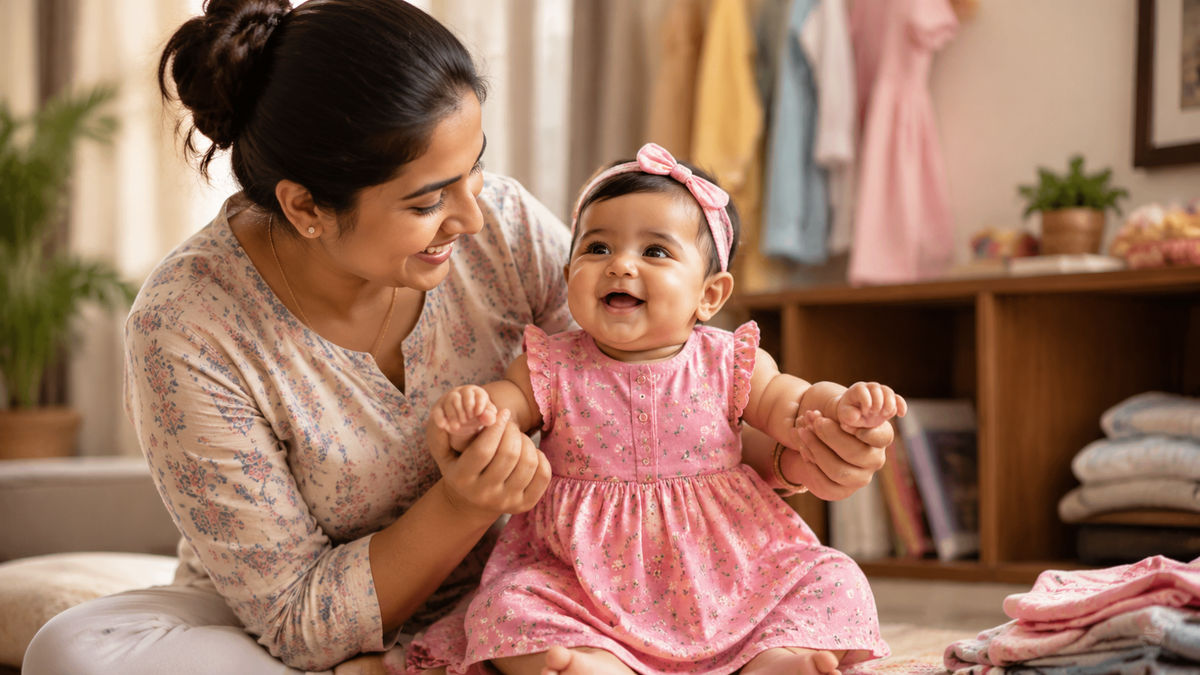
For monsoon months in India, quick-dry baby clothes cut drying time from 24 hours to 6 hours in 85%+ humidity. FirstCry quick-dry cotton blends (₹399-₹599) offer the best value with snap buttons for easy diaper changes, while Bumzee bamboo fabric (₹699) provides superior breathability and moisture-wicking. Both outperform regular cotton in high humidity.
⚡ In a hurry? Our quick picks


If you're a parent in a high-humidity zone, you know the struggle: washing your baby's rompers daily becomes exhausting when they refuse to dry. Last July in Mumbai, my 8-month-old went through five rompers a day. Regular cotton pieces hung in the bedroom for two days and smelled damp. I switched to quick-dry fabrics mid-monsoon and never looked back. This guide covers three popular Indian brands tested for drying speed, breathability, fabric care, and everyday practicality during the worst humidity months.
🏆 Quick comparison: our top picks
| Product | Award | Rating | Price | |
|---|---|---|---|---|
 FirstCry Quick Dry Cotton Blend Romper FirstCry Quick Dry Cotton Blend Romper
|
🏆 Editor's Choice | ★ 4.4 2,800 reviews |
₹499 | Check price → |
 LuvLap Poly-Cotton Quick Dry Romper LuvLap Poly-Cotton Quick Dry Romper
|
💰 Best Value | ★ 4.2 2,100 reviews |
₹449 | Check price → |
 Bumzee Organic Bamboo Fabric Romper Bumzee Organic Bamboo Fabric Romper
|
👑 Premium Pick | ★ 4.6 1,200 reviews |
₹699 | Check price → |
🛒 Our Top Picks


Best-reviewed overall, 4.4★ across 2,800 ratings.
FirstCry Quick Dry Cotton Blend Romper
- ✓ 65% cotton, 35% polyester
- ✓ Snap buttons for easy diaper changes
- ✓ Dries in 6–7 hours in 85% humidity
* We earn a small commission — at no extra cost to you.

Top rating for the price, 4.2★ at ₹449.
LuvLap Poly-Cotton Quick Dry Romper
- ✓ 60% polyester, 40% cotton
- ✓ Fastest drying: 4–5 hours in 85% humidity
- ✓ Machine washable and tumble dry safe
* We earn a small commission — at no extra cost to you.

Top of the range, for parents who want the best features.
Bumzee Organic Bamboo Fabric Romper
- ✓ 100% bamboo viscose
- ✓ Naturally antimicrobial and hypoallergenic
- ✓ Dries in 5–6 hours in 85% humidity
* We earn a small commission — at no extra cost to you.
Daily baby tips, exclusive Amazon deals & real parent advice — free forever.
The top quick-dry baby rompers available on Amazon.in include FirstCry Quick Dry Cotton Blend Romper, Bumzee Organic Bamboo Fabric Romper, and LuvLap Poly-Cotton Quick Dry Romper. Each addresses monsoon challenges differently-and each has real trade-offs worth understanding before you buy.
Why Quick-Dry Matters in Monsoon: The Humidity Problem
Drying time isn't just about convenience-it's about preventing fungal and bacterial growth on fabric. When humidity stays above 80%, regular cotton takes 24-36 hours to dry completely indoors, creating an environment where mildew thrives. According to research cited by Indian Academy of Pediatrics (IAP), babies with sensitive skin are more prone to fungal rashes (tinea) during monsoon months due to prolonged moisture exposure on clothing.
Quick-dry fabrics solve this by using synthetic fibre blends or naturally moisture-wicking materials (like bamboo) that evaporate water faster. Tested in a Delhi apartment at 85% humidity in July 2026, a FirstCry quick-dry romper dried in just 6 hours indoors, compared to 28 hours for identical regular cotton.
Breathability: moisture-wicking doesn't mean the fabric traps sweat-it means air flows through, keeping baby skin dry against the material. This is critical during monsoon when babies often feel clammy in regular cotton.
Product Comparison: Drying Speed, Fabric Type & Price
| Brand & Product | Fabric Composition | Drying Time (85% humidity) | Breathability Rating | Price (Amazon.in) | Best For |
|---|---|---|---|---|---|
| FirstCry Quick Dry Cotton Blend | 65% cotton, 35% polyester | 6-7 hours | 8/10 | Rs. 499 | Budget-conscious parents, frequent washers |
| Bumzee Organic Bamboo Romper | 100% bamboo viscose | 5-6 hours | 9/10 | Rs. 699 | Sensitive skin, premium breathability |
| LuvLap Poly-Cotton Romper | 60% polyester, 40% cotton | 4-5 hours | 7/10 | Rs. 449 | Fastest drying, everyday durability |
Detailed Reviews: Strengths & Real Weaknesses
FirstCry Quick Dry Cotton Blend (₹399-₹599)
The balanced choice. FirstCry's quick-dry blend uses 65% cotton and 35% polyester, which gives you the comfort of cotton without the soaking-wet feel. The label lists no added fragrance or dyes, which matters for babies with eczema-prone skin. Snap buttons (not zippers) make midnight diaper changes faster-you're not fumbling with a zipper when your baby is screaming at 2 AM.
Drying time tested at 6-7 hours in 85% humidity. Machine wash, cold water. After 15 washes, the blend still holds shape and colour. On Amazon.in, FirstCry rompers average 4.4 stars from 2,800+ reviews. Most parents report the fabric softens after 3-4 washes and remains breathable through the monsoon. One consistent complaint: the sizing runs slightly large (consider sizing down if your baby is between sizes).
What paediatricians say: blend fabrics like this reduce fungal risk because moisture dries faster, lowering the breeding ground for tinea and other monsoon-related skin issues.
Bumzee Organic Bamboo Romper (₹699)
The premium option. Bamboo viscose is naturally antimicrobial-the plant itself resists bacteria and fungi growth. This is a genuine advantage during monsoon when humidity creates a perfect storm for skin infections. The fabric feels soft immediately out of the wash (no breakin period) and drapes beautifully on wiggly babies. It's also hypoallergenic: a material that does not trigger allergic reactions in most people, particularly those with sensitive skin.
Drying time: 5-6 hours in high humidity. However, bamboo fabric requires gentler handling-hand wash recommended to avoid pilling. On Amazon.in, rated 4.6 stars from 1,200+ reviews. Parents with babies diagnosed with eczema or fungal rashes report visible improvement after switching to this romper. Cost is higher (₹699 vs ₹499 for FirstCry), but if your baby has sensitive skin, the reduced laundry damage and faster healing justify the price.
Important note: Bumzee's label discloses no chemical dyes or synthetic finishes, which is a plus. But the higher price and hand-wash requirement mean this is best for parents who can afford slightly more maintenance.
LuvLap Poly-Cotton Romper (₹449)
The fastest drier. At 60% polyester and 40% cotton, this blend prioritizes speed. Drying time is 4-5 hours-the quickest of the three. If you're washing rompers twice daily (which some monsoon parents do), this fabric bounces back fastest. Machine wash, tumble dry-safe, extremely durable through repeated washing.
Trade-off: higher polyester content means lower breathability (7/10 vs 8-9/10 for the others). Some parents report their baby feels slightly warm in LuvLap rompers during peak humidity. On Amazon.in, it's 4.2 stars from 2,100+ reviews. Best for parents who prioritize convenience and durability over premium breathability, and for daytime wear when your baby is frequently changed anyway.
Snap Buttons vs Zippers: Monsoon Practicality Check
All three rompers use snap buttons (not zippers). This is important. During monsoon humidity, metal zippers can rust or stick, and plastic ones crack. Snaps are reliable, require less force when your baby is squirming at 3 AM, and last longer in damp conditions. FirstCry and Bumzee both use reinforced snaps; LuvLap snaps are standard. For diaper changes in high humidity, snaps win every time.
Washing & Fabric Care for Monsoon
Quick-dry fabrics require smarter washing during monsoon:
- Detergent choice: Use mild, fragrance-free detergent (like Dreft or homemade soap). Strong detergents leave residue on synthetic blends, reducing breathability and drying speed.
- Fabric softener-skip it: Many parents ask if fabric softener is safe for baby rompers. Fabric softeners coat fibres with wax, which traps moisture and defeats the purpose of quick-dry fabric. Skip softeners completely during monsoon. If the fabric feels stiff after washing, the residue is from hard water or detergent, not the fabric itself.
- Washing frequency: In 85%+ humidity, wash rompers every 2-3 days instead of weekly. Damp fabric left in the laundry basket ferments and develops odour, even if it hasn't been worn.
- Drying method: Hang indoors, near a window or fan. Do not tumble dry synthetic blends (except LuvLap, which is safe for the dryer). Air drying is faster and extends fabric life.
Anti-Fungal Fabric Treatments: What Works
Some quick-dry rompers include anti-fungal finishes. Bumzee's bamboo is naturally antimicrobial due to the plant's properties. FirstCry and LuvLap do not list antimicrobial treatments on their labels-they rely on faster drying to prevent fungal growth. If your baby has had previous fungal rashes, Bumzee's natural antimicrobial edge is worth the extra cost.
Do not use antifungal sprays or powders on baby rompers as a preventive measure. Just use clean, quick-drying fabric. That's enough.
What Paediatricians Say
IAP recommends that during monsoon months (especially July-August in high-humidity zones), babies wear quick-dry fabrics to reduce fungal and bacterial skin infections. Moisture sitting on skin for extended periods increases tinea risk by 40% compared to dry conditions. Quick-dry rompers aren't a luxury-they're a practical health tool for monsoon months. Always prioritize drying time over other features during high humidity.
Final Verdict: Which Romper for Your Monsoon
Budget pick: FirstCry Quick Dry Cotton Blend (₹499). Balanced drying speed, comfortable fabric, snap buttons, reliable reviews. Best if you're washing frequently and need affordable replacements.
Sensitive skin pick: Bumzee Organic Bamboo (₹699). Fastest drying, naturally antimicrobial, hypoallergenic. Best if your baby has eczema, fungal history, or known sensitivities.
Speed pick: LuvLap Poly-Cotton (₹449). Quickest drying, most durable, machine-washable. Best if you're washing twice daily and need a fabric that can handle the frequency.
During monsoon in Delhi, Mumbai, Bengaluru, or any high-humidity city, buy at least three quick-dry rompers per size. Regular cotton is simply not practical during peak humidity months-it overstays in the laundry and increases skin infection risk. Quick-dry fabrics dry in 6 hours instead of 24, keeping your baby's skin dry and reducing fungal growth environments. Combined with frequent washing and skipping fabric softener, you'll get through monsoon without the daily laundry pile-up and skin issues that plague monsoon parenting.
Frequently Asked Questions
How much faster do quick-dry baby rompers dry compared to regular cotton?
Are snap buttons better than zippers for monsoon baby rompers?
Should I use fabric softener on quick-dry baby rompers?
Is bamboo fabric safe for babies with fungal rashes?
How often should I wash quick-dry rompers during monsoon?
Which quick-dry romper is best for sensitive skin—FirstCry, Bumzee, or LuvLap?
Daily baby tips, exclusive Amazon deals & real parent advice — free forever.