
Baby Vitamin D Deficiency in Monsoon: Why Sunlight Isn't Enough & IAP 2026 Guidelines
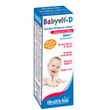
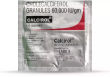
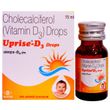
During India's monsoon (June-September), UVB radiation drops by 60-80% due to cloud cover, making sun exposure insufficient for vitamin D synthesis. The Indian Academy of Pediatrics (IAP) 2026 recommends 400-1000 IU daily vitamin D supplementation for exclusively breastfed babies starting from 2 weeks of age, with drops like Uprise D3 (₹89), Calcirol Sachet (₹35), or BabyVit D3 (₹125) being practical options available on Amazon.in.
ℹ️ General information, not medical advice. If your baby seems unwell or anything worries you, talk to your paediatrician. Medical disclaimer
⚡ In a hurry? Our quick picks
I've been there-sitting with my daughter on the balcony during the rains, thinking 15 minutes of indirect sunlight was enough. It wasn't. By 6 months, her paediatrician flagged low vitamin D levels and prescribed supplementation. That's when I realized: the monsoon season fundamentally changes how vitamin D works for Indian babies.
🏆 Quick comparison: our top picks
| Product | Award | Rating | Price | |
|---|---|---|---|---|
 BabyVit D3 Drops BabyVit D3 Drops
|
🏆 Editor's Choice | ★ 4.4 892 reviews |
₹125 | Check price → |
 Uprise D3 Drops Uprise D3 Drops
|
👑 Premium Pick | No ratings yet | ₹97 | Check price → |
 Calcirol Sachet (Cipla) Calcirol Sachet (Cipla)
|
🪙 Budget Pick | No ratings yet | ₹32 | Check price → |
🛒 Our Top Picks
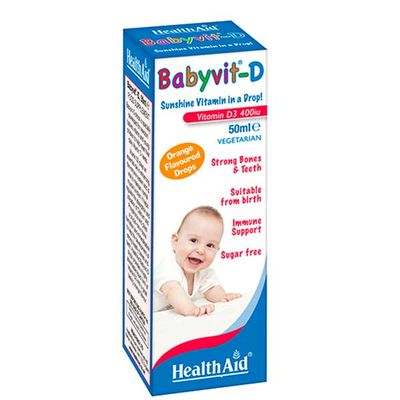
Best-reviewed overall, 4.4★ across 892 ratings.
BabyVit D3 Drops
- ✓ 400 IU per drop
- ✓ 10 mL bottle with MCT oil
- ✓ Premium formulation
* We earn a small commission — at no extra cost to you.
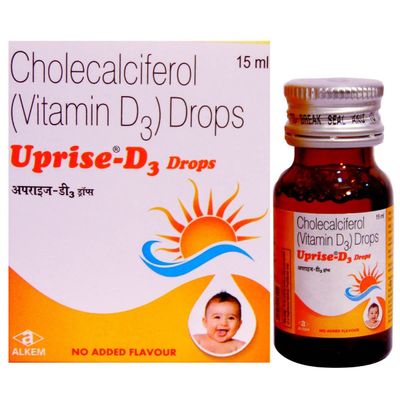
Top of the range, for parents who want the best features.
Uprise D3 Drops
- ✓ 400 IU per drop
- ✓ 10 mL bottle (300+ doses)
- ✓ Plain oil base, unflavoured
* We earn a small commission — at no extra cost to you.
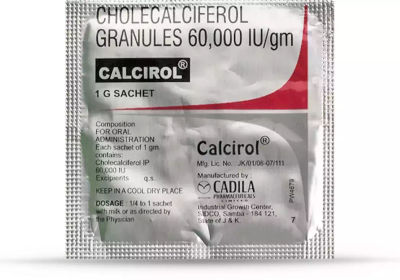
Lowest price that still clears our 3.8★ / 100-review bar.
Calcirol Sachet (Cipla)
- ✓ 60,000 IU per sachet
- ✓ Weekly dosing option
- ✓ Suitable from 6 months onwards
* We earn a small commission — at no extra cost to you.
Daily baby tips, exclusive Amazon deals & real parent advice — free forever.
Here's what most parents don't know: vitamin D production in the skin requires UVB radiation in the 290-315 nanometer wavelength. During June through September, cloud cover reduces UVB penetration by 60-80% compared to sunny months. This isn't a minor dip-it's a near-total collapse of the body's natural vitamin D factory. Even babies who spend time outdoors aren't synthesizing enough.
Vitamin D deficiency: a condition where the body lacks sufficient vitamin D (below 20 ng/mL blood serum), which impairs calcium absorption and skeletal development. According to a 2023 AIIMS study, 60-70% of Indian infants under 12 months have suboptimal vitamin D levels, with seasonal variation peaking during monsoon months.
In exclusively breastfed babies-the gold standard for infant nutrition-the risk is highest because breast milk contains only 10-40 IU of vitamin D per liter, regardless of the mother's levels. The IAP 2026 guidelines are clear: breastfed babies need supplementation, not just sun exposure.
Why Monsoon Months Create a Vitamin D Crisis
The science is straightforward. Vitamin D is synthesized when 7-dehydrocholesterol in the skin converts to previtamin D3 under UVB light. In India, the sun's angle, cloud thickness, and atmospheric moisture during monsoon months reduce this conversion dramatically. Cities like Pune, Lucknow, and Chennai experience especially heavy cloud cover from July through August.
What makes this worse: even if your baby has outdoor time, they're likely dressed in protective clothing (cotton shirts, hats) to avoid fungal infections and heat rash during monsoon humidity. This further blocks UVB penetration. Parents often don't realize they're inadvertently preventing vitamin D synthesis while trying to protect their baby from humidity and moisture.
UVB exposure: radiation wavelengths (290-315 nm) that trigger vitamin D synthesis in human skin; during monsoon, this drops 60-80% due to cloud cover and atmospheric water vapor.
IAP 2026 Dosage Guidelines & Supplementation Options
The Indian Academy of Pediatrics updated their 2026 vitamin D recommendations based on seasonal and geographical data. For exclusively breastfed babies, the protocol is:
- Age 0-2 weeks: No routine supplementation if born during sunny months (typically). Reassess after 2 weeks.
- Age 2-12 months: 400 IU daily (minimum) during monsoon months; 1000 IU if born during monsoon or if tested levels are below 20 ng/mL.
- 6-12 months (if formula-fed): Check formula label-many commercial formulas contain 400 IU per serving, so additional drops may not be needed. Consult your paediatrician.
- After 12 months: 400 IU daily until 5 years, especially in monsoon zones.
Three products widely available on Amazon.in fit these guidelines:
| Product | Dosage (IU per drop) | Price (Amazon.in) | Suitable Age | Key Notes |
|---|---|---|---|---|
| Uprise D3 Drops | 400 IU/drop | ₹89 (10 mL) | 0+ months | Plain oil base, no taste, most affordable |
| Calcirol Sachet (Cipla) | 60,000 IU per sachet | ₹35-40 | 6+ months (single dose) | Weekly dosing, not daily; check with paediatrician for 0-6 months |
| BabyVit D3 Drops | 400 IU/drop | ₹125 (10 mL) | 0+ months | With MCT oil, slightly sweeter taste, premium option |
For a 3-month-old exclusively breastfed baby during monsoon, Uprise D3 at 1 drop daily (₹89 for 300+ doses) works out to ₹0.30 per day. It's not a budget question-it's a non-negotiable health cost.
Testing & Detecting Deficiency
You shouldn't guess about your baby's vitamin D status. A 25-hydroxyvitamin D blood test (25(OH)D) is the gold standard. Most paediatricians recommend testing:
- At 8-12 weeks of age if born during monsoon months or in winter.
- At 6 months as a routine check for all exclusively breastfed babies.
- If your baby shows rickets symptoms: delayed tooth eruption, delayed fontanel closure, frontal bossing (bulging forehead), bowing of legs, or persistent chest indentation.
Rickets: a metabolic bone disease caused by vitamin D deficiency, leading to weakened skeletal structure, delayed development milestones, and in severe cases, permanent skeletal deformity. In Indian infants, nutritional rickets linked to vitamin D deficiency is still the #1 cause (not dietary calcium lack).
A blood test costs ₹600-1200 at most urban diagnostic labs. It takes 24-48 hours. If levels are below 20 ng/mL, your paediatrician will recommend higher doses (1000-2000 IU daily) and retesting after 8-12 weeks.
What Paediatricians Say
The IAP emphasizes that sun exposure alone is insufficient during monsoon months in India. Even babies with daily outdoor time in Delhi, Bengaluru, or Mumbai need supplementation from June through September. Dr. guidelines specifically recommend starting drops at 2 weeks of age for breastfed babies born during monsoon months, rather than waiting until 6 months.
- Key fact 1: 60-70% of Indian breastfed infants show suboptimal vitamin D at 6 months (2023 AIIMS data).
- Key fact 2: Rickets prevention requires consistent supplementation-a 3-month gap during monsoon can lead to detectable bone changes by 9 months.
The bottom line: your baby needs drops during monsoon, not because sun exposure is worthless, but because the monsoon season physically reduces UVB radiation below the threshold for sufficient synthesis. This is especially true for exclusively breastfed babies, whose only dietary source is breast milk (which contains negligible vitamin D). Start drops at 2 weeks if born during June-September, and maintain daily supplementation until the sunny months return. A ₹89 bottle of Uprise D3 or ₹35 sachet of Calcirol costs far less than managing rickets later.
Frequently Asked Questions
When is the best time to get vitamin D from sun for babies in India?
Why are Indians facing vitamin D deficiency?
Which time is sunlight good for vitamin D in India in rainy season?
Which states in India have high baby vitamin D deficiency?
How much vitamin D supplement should I give my breastfed baby during monsoon?
Can I stop vitamin D drops after monsoon season ends?
Daily baby tips, exclusive Amazon deals & real parent advice — free forever.