
Baby Vaccination Schedule India 2026: Government vs Private Cost Breakdown
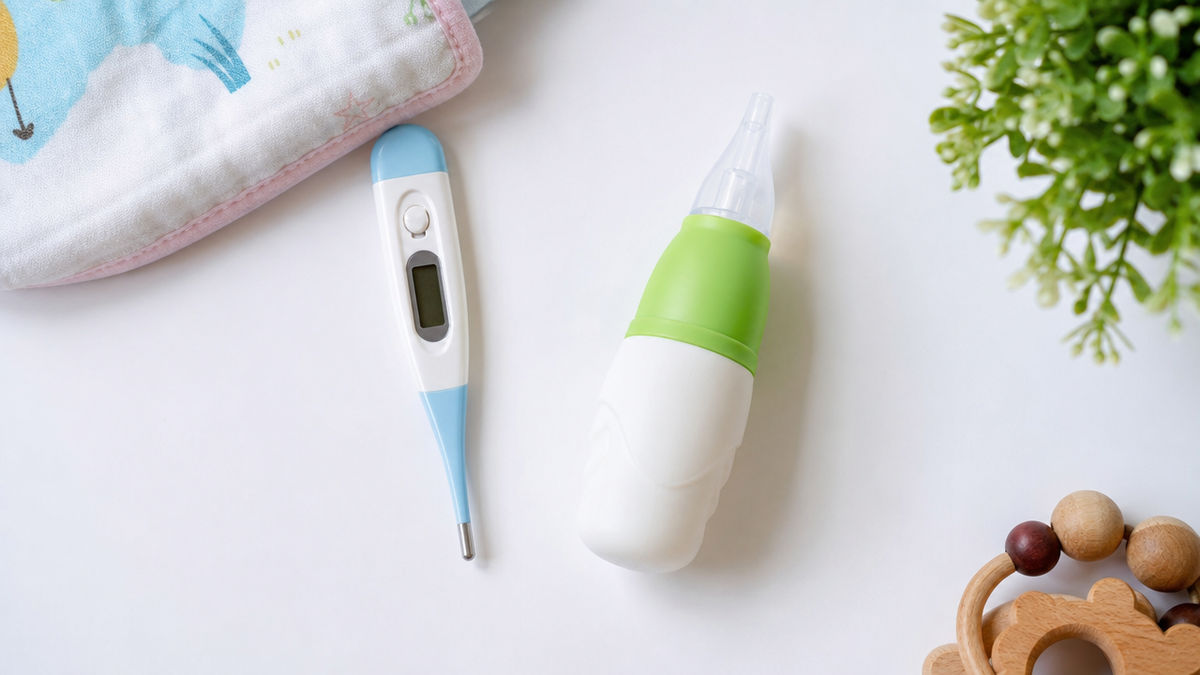
India's government UIP schedule (free at any public health centre) covers 8 vaccines from birth to 24 months. Private hospitals add optional vaccines like PCV, rotavirus, and hexavalent combinations, totalling Rs. 25,000–40,000. Both schedules overlap significantly; the choice depends on your budget and risk assessment for diseases like pneumococcal infection and rotavirus diarrhoea.
ℹ️ General information, not medical advice. If your baby seems unwell or anything worries you, talk to your paediatrician. Medical disclaimer
⚡ In a hurry? Our quick picks
As an Indian parent, you've probably heard conflicting advice about vaccinations—one relative swears by private clinics, another says government hospitals are just as good, and everyone has a story about a baby who ran a fever after shots. The truth is both sides are right, and the real difference comes down to cost, convenience, and which extra diseases you want covered. This guide breaks down what your baby gets free, what the private options cost in rupees, and how to keep track of it all.
🏆 Quick comparison: our top picks
| Product | Award | Price | |
|---|---|---|---|
 Vaccination Record Folder with Protective Sleeves |
👑 Premium Pick | ₹4,123 | See alternatives → |
 Baby Fever Cooling Gel Patches (Pack of 2) |
🪙 Budget Pick | ₹199 | Check price → |
 Thermometer Digital Infrared Non-Contact Baby |
₹799 | Check price → |
🛒 Our Top Picks
The highest-priced option in this guide.
Vaccination Record Folder with Protective Sleeves
- ✓ Plastic sleeve with 5–6 pockets for vaccine card and documents
- ✓ Water and dust resistant
- ✓ Fits standard A5 vaccination booklet
* We earn a small commission — at no extra cost to you.
The lowest-priced option in this guide.
Baby Fever Cooling Gel Patches (Pack of 2)
- ✓ Cooling effect for 8 hours
- ✓ Latex-free adhesive
- ✓ Suitable from 3 months
* We earn a small commission — at no extra cost to you.

Thermometer Digital Infrared Non-Contact Baby
- ✓ 1-second reading time
- ✓ Non-contact (no need to touch baby's skin)
- ✓ Celsius/Fahrenheit display
* We earn a small commission — at no extra cost to you.
Daily baby tips, exclusive Amazon deals & real parent advice — free forever.
Government UIP Schedule vs Private Vaccines: What's the Real Difference?
India's Universal Immunisation Programme (UIP) is run by the Ministry of Health and Family Welfare. Every public health centre, Primary Health Centre (PHC), and urban Accredited Social Health Activist (ASHA) centre offers it for free. Private hospitals and paediatricians offer the same UIP vaccines plus additional vaccines not part of the government schedule. The government-funded schedule protects against 8 diseases—BCG, polio, diphtheria, tetanus, pertussis, hepatitis B, measles, and Japanese encephalitis (in endemic zones). Private additions typically include PCV (pneumococcal conjugate vaccine) (prevents bacterial pneumonia), rotavirus vaccine (prevents severe diarrhoea), and hexavalent combinations (bundles multiple vaccines into one shot, reducing injection count). A private paediatrician in Mumbai, Delhi, or Bengaluru will charge Rs. 300–1,200 per vaccine dose; a complete private schedule (both UIP and optional) runs Rs. 25,000–40,000 by age 24 months.
UIP Schedule: Birth to 24 Months (Free at Public Health Centres)
- At birth: BCG (tuberculosis), Hepatitis B (dose 1). Why: TB is endemic in India; Hepatitis B is a lifelong infection risk.
- 6 weeks: Polio (oral), Diphtheria-Tetanus-Pertussis (DTP), Hepatitis B (dose 2). Why: Polio and pertussis outbreaks still occur in India; DTP is foundational.
- 10 weeks: Polio, DTP, Hepatitis B (dose 3).
- 14 weeks: Polio, DTP. Why: Repeated doses ensure immunity.
- 9–12 months: Measles (dose 1). Why: Measles remains common in crowded urban areas and rural zones.
- 16–24 months: DTP (booster), Polio (booster), Measles (dose 2). Why: Reinforces immunity before school entry.
- 2–5 years (endemic zones): Japanese Encephalitis (2 doses). Why: Seasonal outbreaks in Bihar, UP, Assam.
Private-Only Vaccines: What Do They Add?
Rotavirus vaccine (RotaTeq or Rotavac): 3 doses at 6, 10, 14 weeks. Cost: Rs. 800–1,500 per dose (Rs. 2,400–4,500 total). Prevents severe watery diarrhoea; especially valuable if your baby attends daycare or lives in crowded urban quarters. IAP (Indian Academy of Pediatrics) recommends it but does not mandate it for all infants.
Pneumococcal Conjugate Vaccine (PCV): 3 doses at 6, 10, 14 weeks + 1 booster at 12–15 months. Cost: Rs. 1,200–2,000 per dose (Rs. 4,800–8,000 total). Covers bacterial pneumonia, ear infection, and meningitis. Recommended by IAP for all infants; high-risk babies (premature, low birth weight, or immunocompromised) especially benefit.
Hexavalent (6-in-1) combinations: Bundles DTP, Hepatitis B, Polio, and sometimes PCV or Hib into a single injection. Cost: Rs. 1,500–3,500 per dose (3–4 doses total). Reduces the number of injections your baby receives; some parents prefer this for reduced stress. Common brands: Hexaxim, Hexyon. These are easier logistically but cost more than individual shots.
Varicella (chickenpox) vaccine: 2 doses, 3–6 months apart. Cost: Rs. 1,000–1,800 per dose. Not part of UIP; optional everywhere.
Where to Get Each Vaccine: Government vs Private Costs
Government/Free: Any public health centre, municipal corporation clinic, or ASHA-led camp in your ward or village. Call your nearest PHC to confirm vaccine availability and your baby's appointment. No appointment needed in most urban centres; visit early morning to avoid crowds.
Private: Paediatrician clinic (Rs. 300–500 consultation + vaccine cost), private hospital (higher overhead), or standalone vaccination clinics in cities like Delhi, Mumbai, Pune, Bengaluru. Many private clinics now offer combo packages: e.g., "Complete 0–24 months private schedule" for Rs. 30,000–35,000 (all optional vaccines bundled). Always ask if the price includes the consultation or if that's separate.
Mixed approach (common among Indian parents): Free government UIP + optional private vaccines (PCV, rotavirus) at a private clinic. Cost: Rs. 0 + Rs. 10,000–15,000. This covers the essentials free and adds the two most-recommended extras.
Vaccine Record Keeping: Don't Lose Track
Your baby receives a vaccination card (khata/booklet) at the first visit—keep it safe. It lists every dose, date, and batch number. Schools, daycare centres, and international travel all require it. If you lose the original, get a duplicate printed from your health centre or hospital (usually free).
Many Indian parents buy a vaccination record folder (plastic sleeve with pockets) from stationery shops (Rs. 80–250 on Amazon.in) to protect the card from water, dirt, and wear. Some also photograph the card and keep a digital copy in their phone or Google Drive—smart backup if the physical copy is misplaced.
Fever and Mild Reactions After Shots: What's Normal?
Low fever (up to 38.5°C), redness, or mild swelling at the injection site are common within 24–48 hours. Give infant paracetamol (as per your baby's weight, prescribed by your doctor), keep the baby hydrated, and avoid tight clothing over the injection site. High fever (above 39°C), prolonged crying, or rash demands a call to your paediatrician. IAP guidance: fever after vaccination is not a sign the vaccine is unsafe—it's the immune system responding. Paracetamol does not reduce vaccine effectiveness.
What IAP and WHO Guidance Says
- IAP 2026 Recommended Schedule: Government UIP + pneumococcal vaccine (PCV) and rotavirus vaccine for all infants, especially those in urban or crowded settings.
- WHO Standards: All vaccines in the UIP meet WHO standards for safety and efficacy. Private vaccines (PCV, rotavirus) are WHO-prequalified and equally safe.
Optional Vaccines: How to Decide
Ask yourself: Does my baby live in a crowded urban area or a village? Will he attend daycare before age 2? Is there a family history of pneumococcal or rotavirus illness? If yes to any, rotavirus and PCV are worth the extra cost. If your baby is premature, low birth weight, or has chronic illness, PCV is strongly advised. If cost is tight, prioritise PCV over varicella or hexavalent combos.
When to See a Doctor
Contact your paediatrician immediately if your baby experiences: fever above 39°C within 48 hours of vaccination, persistent vomiting or diarrhoea, difficulty breathing, rash spreading beyond the injection site, or seizures. This is general information, not medical advice. Always discuss your vaccination plan with your baby's doctor before the first shot.
📚 Sources
The guidance in this article draws on the sources below. It is general information, not medical advice: for any concern about your child's health, talk to your paediatrician.
- Ministry of Health and Family Welfare - Universal Immunisation Programme (UIP) Schedule — Official government vaccine schedule, doses, and ages for all 8 UIP vaccines
- Indian Academy of Pediatrics (IAP) - Recommended Vaccination Schedule 2026 — IAP recommendations for optional vaccines (PCV, rotavirus) and guidance on fever after vaccination
- WHO - Immunisation Safety Surveillance — WHO prequalification and safety standards for all vaccines mentioned
- FSSAI - Child Nutrition Guidelines — General infant health context; vaccination is part of early-life health framework
Last updated 21 Nov 2026
Frequently Asked Questions
Is the government vaccination schedule safe compared to private vaccines?
Can I mix government and private vaccines?
What's the cheapest way to vaccinate my baby?
Do I need a vaccination record folder, or is the card enough?
When should I give my baby paracetamol after vaccination?
What vaccines does the government schedule NOT include?
Daily baby tips, exclusive Amazon deals & real parent advice — free forever.