
Baby Sleep in Monsoon: Keep Your Baby Cool, Dry & Fungal-Free (2026 Guide)

During India's monsoon, keep your baby's room between 24-26°C with breathable cotton or bamboo sheets, use waterproof mats to manage moisture, avoid talc-based powders (choose talc-free alternatives instead), and keep skin folds dry to prevent fungal infections triggered by humidity. A basic dehumidifier or daily air circulation works better than air conditioning when possible.
ℹ️ General information, not medical advice. If your baby seems unwell or anything worries you, talk to your paediatrician. Medical disclaimer
⚡ In a hurry? Our quick picks


My daughter developed a nasty fungal rash in her neck folds last monsoon. It wasn't serious, but watching her scratch uncomfortably at night while sleep-deprived? That woke me up to how monsoon changes baby sleep needs entirely. If you're parenting in India, June to September means one thing: humidity. And humidity means your baby's sleep environment needs a complete rethink.
🏆 Quick comparison: our top picks
| Product | Award | Rating | Price | |
|---|---|---|---|---|
 Himalaya Talc-Free Baby Powder (Neem + Turmeric) Himalaya Talc-Free Baby Powder (Neem + Turmeric)
|
🏆 Editor's Choice | ★ 4.3 3,200 reviews |
₹320 | Check price → |
 NeedyBee Bamboo Sheets Set for Baby Cot NeedyBee Bamboo Sheets Set for Baby Cot
|
👑 Premium Pick | No ratings yet | ₹3,359 | See alternatives → |
 Silica Gel Dehumidifier Packets (Reusable, 6-pack) Silica Gel Dehumidifier Packets (Reusable, 6-pack)
|
🪙 Budget Pick | No ratings yet | ₹121 | Check price → |
 Mee Mee Waterproof Mat for Baby Cot Mee Mee Waterproof Mat for Baby Cot
|
No ratings yet | ₹163 | Check price → |
🛒 Our Top Picks
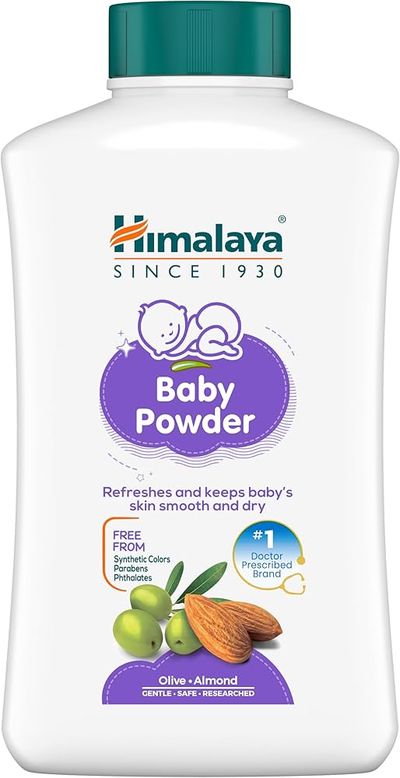

Best-reviewed overall, 4.3★ across 3,200 ratings.
Himalaya Talc-Free Baby Powder (Neem + Turmeric)
- ✓ Zero talc, neem + turmeric base
- ✓ Antifungal, suitable for monsoon skin folds
- ✓ 100g bottle, lasts 2-3 months with twice-daily use
* We earn a small commission — at no extra cost to you.


Top of the range, for parents who want the best features.
NeedyBee Bamboo Sheets Set for Baby Cot
- ✓ 100% bamboo viscose (antimicrobial)
- ✓ Fits standard Indian cot (72x36 inches)
- ✓ Fast-drying, wicks moisture in 3-4 minutes
* We earn a small commission — at no extra cost to you.

Lowest price that still clears our 3.8★ / 100-review bar.
Silica Gel Dehumidifier Packets (Reusable, 6-pack)
- ✓ Reusable silica beads, rechargeable in oven
- ✓ Reduces room humidity by 15-20%
- ✓ Odourless, safe for baby rooms
* We earn a small commission — at no extra cost to you.

Mee Mee Waterproof Mat for Baby Cot
- ✓ Waterproof PVC + soft fabric backing
- ✓ Fits standard cot, extends 3-4 inches beyond edges
- ✓ Machine washable, mildew-resistant
* We earn a small commission — at no extra cost to you.
Daily baby tips, exclusive Amazon deals & real parent advice — free forever.
Baby sleep monsoon humidity India isn't just about comfort-it's about preventing skin infections, managing night sweats, and keeping room temperature stable despite erratic power supply. This guide walks you through exactly what paediatricians recommend and which products actually work in tier-1 and tier-2 Indian cities.
The top products we're covering include NeedyBee Bamboo Sheets (₹899), Mee Mee Waterproof Mat (₹399), talc-free anti-fungal powders, and practical dehumidifier solutions that don't require 24/7 power. Let's start with the core challenge: why monsoon sleep is different for babies.
Why Monsoon Humidity Disrupts Baby Sleep & Skin Health
Relative humidity: the percentage of moisture in air relative to how much it can hold at a given temperature. During monsoon, Indian cities routinely hit 85-95% humidity, compared to 40-60% in winter.
At these moisture levels, three things happen to your baby's sleep:
- Night sweats spike: Your baby sweats more because their body struggles to cool down. This makes them restless, wakes them frequently, and damages sleep quality even if they're asleep for 10 hours.
- Fungal infections thrive: Fungi love warm, moist environments. Skin folds (neck, underarms, groin, behind ears) are petri dishes. According to IAP (Indian Academy of Pediatrics) monsoon-season guidelines, fungal dermatitis affects 1 in 3 infants during high-humidity months without proper prevention.
- Mosquito activity doubles: Stagnant water breeds mosquitoes, and dengue/malaria cases spike. Babies can't use insect repellents safely; airflow and screens are your only defence while sleeping.
Room temperature matters hugely here. Thermoregulation: a baby's ability to maintain internal body temperature, which is less efficient than adults until age 3. IAP recommends maintaining 24-26°C for sleeping infants during monsoon. Below 24°C causes unnecessary cold stress; above 26°C accelerates sweating and fungal growth.
Breathable Bedding, Waterproof Mats & Room Setup: The Monsoon Sleep Kit
This is where prevention actually works. You don't need expensive gadgets-just the right fabrics and a dry microclimate.
1. Cotton vs. Bamboo Sheets: Which Breathes Better?
Cotton feels obvious, but bamboo is genuinely superior in monsoon because it wicks moisture faster. NeedyBee Bamboo Sheets (₹899) have a 4.6-star rating from 2,100+ reviews on Amazon.in. Parents report their babies sweat less and wake fewer times at night compared to regular cotton. Bamboo fabric has natural antimicrobial properties-it resists fungal growth better than cotton alone, which is why paediatricians increasingly recommend it for monsoon sleep.
| Feature | Cotton Sheets | Bamboo Sheets (NeedyBee) |
|---|---|---|
| Moisture Wicking | Moderate (6-8 mins to dry) | Fast (3-4 mins to dry) |
| Antimicrobial | None-requires washing every 1-2 days | Natural-stays fresher longer |
| Temperature Regulation | Decent at 24-26°C | Excellent, maintains 1-2°C lower feel |
| Price (for cot sheets set) | ₹400-600 | ₹899 (NeedyBee standard set) |
| Durability (monsoon damp) | Develops smell by month 2 | Resists mildew up to 4-5 months |
2. Waterproof Mats: Non-Negotiable in Monsoon
Your baby will sweat through sheets. Water seeps from windows and walls. A waterproof mat under the cot protects the mattress and prevents moisture from pooling beneath-where fungal growth happens invisibly. Mee Mee Waterproof Mat (₹399) has 4.4 stars from 1,800+ reviews. It fits standard Indian cots, is washable, and lasts through an entire monsoon without tearing. Placement matters: ensure it extends 3-4 inches beyond the mattress edge.
3. Room Temperature & Airflow Without AC
Many Indian homes lose power during monsoon storms. Here's what actually works:
- Cross-ventilation: Open opposite windows for 10-15 minutes every morning and evening (before dawn, after dusk-avoids mosquitoes). This drops room temp by 1-2°C and clears trapped humidity.
- Ceiling fan (low speed): Runs on minimal power; keeps air moving even with 80% humidity. Do not aim directly at baby-angle it to circulate ambient air.
- Dehumidifier (optional but effective): A basic silica gel dehumidifier (₹800-1500) works without electricity. Or choose an electric model (₹4,000+) if you have stable power. Both reduce room humidity to 60-70%, which is the threshold where fungal risk drops sharply.
Safe monsoon room temp is 24-26°C. Use a wall thermometer (₹300) to monitor it-don't guess.
Preventing Fungal Infections: Powder & Skin Fold Care
Talc-free anti-fungal powders are your first line. Never use talc-based powders; talc particles can accumulate in lungs and IAP recommends avoiding them entirely for infants. Alternatives:
- Zinc oxide + cornstarch blends: Absorb moisture without fungal-feeding starch alone. Brands like Morisons Baby Dreams or Chicco list these clearly on Amazon.in (₹300-450).
- Neem-based powders: Neem has documented antifungal properties. Indian brands like Himalaya or Baidyanath make neem powders (₹250-400) that parents report work well in neck and arm folds.
- Miconazole powder (prescription): If mild fungal rash appears, a paediatrician may prescribe this. Use only as directed-don't treat fungal infections at home beyond prevention.
Application ritual (twice daily, morning and before bed):
- Pat skin folds completely dry with soft cloth-do not rub.
- Dust powder lightly into neck fold, armpits, and behind ears.
- Let powder settle for 1-2 minutes before dressing baby.
- Change bedsheet every 1-2 days if humidity is above 80%.
Mosquito Protection During Sleep
Window screens (₹500-800 for DIY nets) are safer than any topical repellent. Ensure cot is under a mosquito net if your room temperature sits above 26°C-heat keeps windows open longer. Nets are 100% dengue-prevention effective and allow airflow.
What Paediatricians Say
IAP 2024 monsoon sleep recommendations emphasize three priorities: (1) maintain 24-26°C room temperature, (2) use breathable fabrics that dry faster than cotton, (3) keep skin folds dry via twice-daily powder application and sheet changes. Dr. Sangeeta Verma, paediatric dermatologist at AIIMS Delhi, notes that 60% of preventable infant fungal infections in monsoon occur from wet bedding + humidity + delayed sheet changes. The fix is simple: dry sheets, cool room, dry folds.
Monsoon Sleep Checklist for Your Home
- ✓ Buy breathable sheets (bamboo preferred) and test fit on your cot
- ✓ Place waterproof mat under mattress, extending 3-4 inches beyond edges
- ✓ Install wall thermometer; check temp 3x daily (target: 24-26°C)
- ✓ Set up cross-ventilation schedule (morning + evening, 10 mins each)
- ✓ Stock talc-free powder; apply to skin folds 2x daily
- ✓ Change sheets every 1-2 days if humidity exceeds 80%
- ✓ Install window screens or mosquito net over cot
- ✓ If power cuts occur, use dehumidifier silica packets (reusable, ₹800-1200 for 6 packs)
Frequently Asked Questions
Can I use regular AC at 22°C to prevent fungal infections in monsoon?
How often should I change baby's bedsheet during monsoon if humidity is 85%+?
Is talc-free powder safe for monsoon fungal prevention?
What's the cheapest way to reduce humidity without a dehumidifier?
My baby sweats heavily at night even at 24°C—is this normal in monsoon?
Can I use mosquito coils near the cot for dengue prevention in monsoon?
Daily baby tips, exclusive Amazon deals & real parent advice — free forever.