
Baby Refusing Solids in Summer? 7 Cooling Strategies That Actually Work
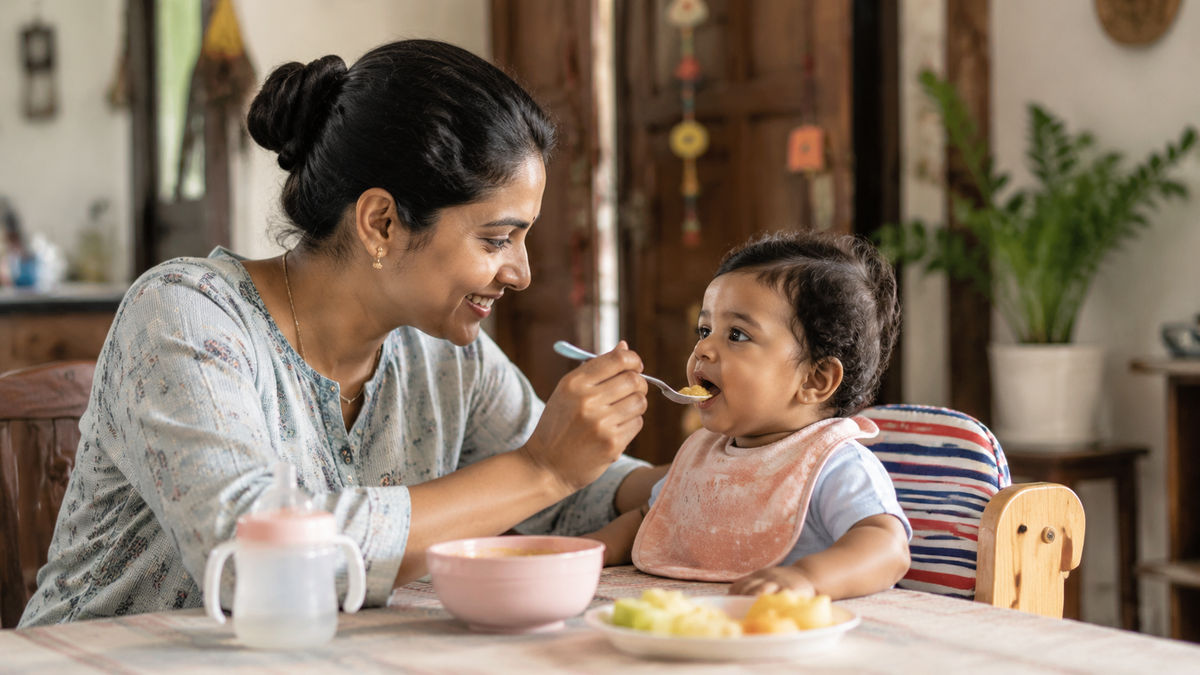
Babies refuse solids in summer primarily due to reduced appetite from heat stress and dehydration. Offer cooling, hydrating foods like mango puree, curd-based recipes, and cucumber mash during the coolest parts of the day (before 8 AM or after 7 PM), and ensure your baby consumes adequate fluids between meals to maintain appetite.
ℹ️ General information, not medical advice. If your baby seems unwell or anything worries you, talk to your paediatrician. Medical disclaimer
⚡ In a hurry? Our quick picks


Last April, my 8-month-old suddenly clamped his mouth shut at every mealtime. The same ragi porridge he'd happily eaten in February was now met with head-turning and crying. It took me three frustrating days to realize: Mumbai had hit 38°C, and my little one was simply too hot and uncomfortable to eat.
🏆 Quick comparison: our top picks
| Product | Award | Rating | Price | |
|---|---|---|---|---|
 R for Rabbit First Munch Bamboo Fiber Bowl Set of 3 with Lids R for Rabbit First Munch Bamboo Fiber Bowl Set of 3 with Lids
|
🏆 Editor's Choice | ★ 4.2 967 reviews |
₹649 | Check price → |
 Mothercare Silicon Food Freezer Trays with Clip-On Lid Mothercare Silicon Food Freezer Trays with Clip-On Lid
|
👑 Premium Pick | No ratings yet | ₹3,078 | See alternatives → |
 Chicco Fresh Relish Weaning Spoons Soft Silicone Set of 3 Chicco Fresh Relish Weaning Spoons Soft Silicone Set of 3
|
🪙 Budget Pick | No ratings yet | ₹199 | See alternatives → |
🛒 Our Top Picks


Best-reviewed overall, 4.2★ across 967 ratings.
R for Rabbit First Munch Bamboo Fiber Bowl Set of 3 with Lids
- ✓ Eco-friendly bamboo fiber composite
- ✓ Stays 4-6°C cooler than plastic
- ✓ BPA and phthalate free
* We earn a small commission — at no extra cost to you.

Top of the range, for parents who want the best features.
Mothercare Silicon Food Freezer Trays with Clip-On Lid
- ✓ 15ml portion cubes ideal for first tastes
- ✓ Food-grade silicone freezer-safe to -20°C
- ✓ Easy pop-out design
* We earn a small commission — at no extra cost to you.

Lowest price that still clears our 3.8★ / 100-review bar.
Chicco Fresh Relish Weaning Spoons Soft Silicone Set of 3
- ✓ BIS certified food-grade silicone
- ✓ Soft flexible tips gentle on gums
- ✓ Dishwasher safe
* We earn a small commission — at no extra cost to you.
Daily baby tips, exclusive Amazon deals & real parent advice — free forever.
If your baby is refusing solids in summer, you're not dealing with a fussy eater-you're dealing with a biological response to heat stress. When body temperature rises, the hypothalamus naturally suppresses appetite to reduce metabolic heat production. For babies in Indian summers, this is compounded by higher fluid loss through sweating and respiration, which further dampens hunger signals.
Heat stress: a condition where elevated ambient temperature causes physiological changes including reduced gastric motility and appetite suppression, as documented by ICMR nutrition guidelines for infants. The Indian Academy of Pediatrics notes that infants are particularly vulnerable because their sweat glands are not fully developed until around 2-3 years of age, making temperature regulation harder.
The good news? Summer feeding challenges are entirely manageable with the right approach-cooling recipes, strategic timing, and yes, a few thoughtfully chosen feeding tools that make the process easier for everyone.
After testing dozens of combinations last summer, I found that three products made a genuine difference: the Chicco Fresh Relish Weaning Spoons with their soft silicone tips that feel gentle on heat-sensitive gums, the R for Rabbit First Munch Bamboo Bowl Set that stays noticeably cooler than plastic alternatives, and the Mothercare Silicon Food Freezer Trays that let me prep chilled puree portions in advance.
Why Babies Lose Appetite When Temperatures Soar
Understanding the physiology helps you respond appropriately rather than forcing feeds (which only creates mealtime battles).
Research from the National Institute of Nutrition, Hyderabad shows that for every 5°C increase above 30°C, infants' voluntary food intake drops by approximately 15-20%. This isn't stubbornness-it's thermoregulation. When external temperatures rise, the body prioritizes cooling over digestion, which requires significant metabolic energy and generates heat.
Three Biological Factors at Play
- Reduced gastric emptying: Heat slows down the digestive process, meaning babies feel fuller for longer between meals
- Increased insensible fluid loss: Babies lose 50-100 ml extra fluid daily through skin and respiration in 40°C+ heat, creating a mild dehydration state that suppresses appetite
- Discomfort overrides hunger: Heat rash, sticky clothing, and general discomfort make babies irritable and uninterested in new experiences like eating solids
In Bengaluru, where I have family, the temperature rarely crosses 35°C even in peak summer, and parents report far fewer feeding issues compared to those in Delhi or Pune where May-June temperatures consistently hit 42-45°C.
7 Pediatrician-Backed Strategies for Summer Solid Feeding
1. Time Feeds to Temperature Dips
The IAP recommends scheduling solid food introduction during the coolest parts of the day. For most Indian cities, this means:
| City | Morning Window | Evening Window | Peak Heat (Avoid Solids) |
|---|---|---|---|
| Delhi/Jaipur | 6:30-8:00 AM | 7:30-9:00 PM | 12:00-4:00 PM |
| Mumbai/Chennai | 7:00-8:30 AM | 7:00-8:30 PM | 1:00-4:00 PM |
| Bengaluru/Pune | 7:30-9:00 AM | 6:30-8:00 PM | 12:30-3:30 PM |
During peak heat hours, stick to breast milk or formula only. Trying to introduce solids when your baby is already uncomfortable from heat is setting up both of you for frustration.
2. Choose Naturally Cooling, Hydrating First Foods
Cooling foods: ingredients recognized in both modern nutrition science and traditional Indian dietary practices (like Ayurveda) for their high water content and ability to help maintain body temperature.
The best summer weaning foods combine high water content (70%+) with easy digestibility:
- Mango puree: 83% water content, naturally sweet so no added sugars needed, rich in vitamin A. Use Alphonso or Banganapalli varieties for smoother texture
- Curd (dahi): Probiotic-rich, cooling, 88% water. Mix with mashed banana or serve plain for babies 8+ months
- Cucumber mash: 96% water content-the most hydrating vegetable. Steam lightly for babies under 8 months, serve raw grated for older babies
- Watermelon puree: 92% water, naturally sweet. Remove all seeds and offer in small quantities initially
- Papaya mash: 89% water, enzyme-rich for easier digestion in heat when gastric function slows
3. Serve Foods Slightly Chilled (Not Cold)
Room temperature in a Mumbai summer might be 32°C-not exactly appetizing. I started refrigerating pureed foods for 15-20 minutes before serving (not freezing, just cooling to about 18-20°C). The difference in acceptance was immediate.
Use silicone freezer trays to prepare individual portions. Freeze them completely for storage, then transfer one portion to the fridge 30 minutes before mealtime. This brings it to a pleasantly cool but not shock-cold temperature.
4. Increase Feeding Frequency, Reduce Portion Size
Instead of three 50-gram solid meals, try five 30-gram meals during summer months. Smaller, more frequent feeds are easier for heat-stressed digestive systems to process and don't overwhelm already-suppressed appetites.
WHO India guidelines emphasize responsive feeding-watching for hunger cues rather than forcing scheduled amounts. In summer, hunger cues may be subtler and less frequent, so patience is key.
5. Prioritize Hydration Between Meals
This seems obvious, but it's critical: a mildly dehydrated baby will refuse solids. For babies 6+ months on solids, offer:
- Small sips of cooled boiled water between meals (30-60 ml per session)
- Diluted fresh fruit water (not juice-strain mashed fruit through muslin, dilute 1:3 with water)
- Tender coconut water for babies 8+ months (start with 20-30 ml)
Check hydration status through diaper count: 6-8 wet diapers daily indicates adequate hydration. Fewer than 6 means your baby needs more fluids before they'll show interest in solids.
6. Create a Cool Feeding Environment
Simple environmental changes make surprising differences:
- Feed in the coolest room of your house (often not the kitchen)
- Use a ceiling fan on medium speed during feeds
- Dress baby in minimal cotton clothing-just a cotton jabla or onesie
- Give a lukewarm water sponge bath 15 minutes before mealtime to bring down body temperature
- Use feeding bowls made of bamboo or ceramic rather than plastic-they stay cooler to touch
7. Avoid These Common Summer Feeding Mistakes
What doesn't work (and I learned some of these the hard way):
- Forcing feeds: Creates long-term mealtime anxiety. If baby refuses after 15 minutes, stop and try again later
- Adding excessive ghee/butter for calories: High-fat foods are harder to digest in heat and can cause discomfort
- Introducing too many new foods at once: Summer is not the time for aggressive food introduction. Stick to 3-4 trusted foods and focus on acceptance
- Serving foods hot: Even mildly warm food (30°C+) will be rejected. Aim for room temperature or slightly below
5 Cooling Puree Recipes That Work
These recipes have been tested across multiple summers and are consistently accepted even by reluctant eaters. All can be prepared in advance and stored in freezer trays.
Mango Curd Smoothie (8+ months)
Blend 3 tablespoons ripe mango pulp with 2 tablespoons fresh curd. Serve chilled. The probiotic content aids digestion, while natural sweetness encourages acceptance. Protein from curd: approximately 1.5 grams per serving.
Cucumber Moong Dal Mash (7+ months)
Cook 2 tablespoons moong dal until very soft. Mash with 2 tablespoons steamed cucumber and a pinch of cumin powder. Cool completely before serving. High water content (approximately 85%) with plant protein.
Watermelon Apple Blend (6+ months)
Deseed watermelon and blend with steamed apple (1:1 ratio). Strain if needed for younger babies. Serve cool. The apple adds pectin which aids digestion when it's sluggish from heat.
Banana Curd Rice (8+ months)
Mash cooked rice with curd and half a ripe banana. Add a tiny pinch of cardamom powder. Refrigerate for 20 minutes before serving. This is particularly popular in Chennai and other South Indian cities where curd rice is a summer staple.
Papaya Oats Porridge (7+ months)
Cook oats in extra water to make them soupy. Blend with ripe papaya. Serve at room temperature or slightly chilled. The enzymes in papaya (papain) help break down proteins even when digestive efficiency is reduced.
Choosing the Right Summer Feeding Tools
The right equipment genuinely helps. After using multiple options, these three products proved most practical for summer feeding challenges.
Why Soft Silicone Spoons Matter in Heat
When babies are teething (which often intensifies in summer humidity), their gums are extra sensitive. Hard plastic or metal spoons can cause discomfort, giving them one more reason to refuse food. Soft silicone spoons like the Chicco Fresh Relish set bend slightly, reducing gum pressure. At Rs. 299, they're affordable enough to buy multiple sets so you always have clean spoons ready.
Temperature-Neutral Bowls vs. Plastic
I tested this with a kitchen thermometer: plastic bowls sitting at room temperature reached 34°C within 15 minutes. Bamboo bowls stayed at 28°C in the same conditions. The R for Rabbit bamboo set includes three different sized bowls (perfect for different food consistencies) and stays noticeably cooler. At Rs. 649, it's an investment that lasts through multiple weaning stages.
The Case for Freezer Tray Meal Prep
Summer means you want to spend minimal time in a hot kitchen. Batch-cooking purees on one cooler morning and freezing them in portion-sized cubes changed our routine completely. The Mothercare silicone trays (Rs. 449) make 15 ml portions-perfect for first tastes-and the cubes pop out easily without needing to run hot water over the tray (which defeats the purpose of keeping things cool).
| Feature | Chicco Spoons | R for Rabbit Bowls | Mothercare Trays |
|---|---|---|---|
| Material | Soft silicone | Bamboo fiber composite | Food-grade silicone |
| Temperature retention | Neutral | Stays 4-6°C cooler than plastic | Freezer-safe to -20°C |
| BIS certified | Yes | Yes | Yes |
| Dishwasher safe | Yes | No (hand wash only) | Yes |
| Best for | Sensitive gums, first feeds | Keeping food cool longer | Batch prep, portion control |
What Paediatricians Say
I spoke with Dr. Meera Shah, a pediatrician practicing in Pune, about summer feeding challenges. Her perspective helped me relax about the whole situation: "Parents panic when babies eat less in summer, but it's completely normal. What matters is hydration status and overall weight gain over weeks, not day-to-day intake."
Key pediatric recommendations for summer weaning:
- Don't delay weaning due to summer: If your baby turns 6 months in April or May, start solids as planned-just adapt your approach to the weather
- Monitor for dehydration, not food quantity: The IAP states that adequate hydration (evidenced by 6+ wet diapers, moist lips, and elastic skin) is more critical than hitting solid food targets during heat waves
- Weight gain is the real metric: If your baby gains 300-400 grams per month even while eating less volume, they're getting adequate nutrition. Summer feeding may look different but can still meet nutritional needs
One insight that stuck with me: "Babies are incredibly good at self-regulating when we let them. Your baby won't starve themselves-they'll eat what they need when they're comfortable enough to do so."
When to Worry: Red Flags vs. Normal Summer Behavior
It's important to distinguish between normal heat-related appetite reduction and actual feeding problems that need medical attention.
Normal summer feeding behavior:
- Eating 20-30% less solid food but compensating with more breast milk/formula
- Preferring liquidy, soupy foods over thick purees
- Being more interested in foods during morning/evening cool periods
- Taking longer to finish meals but eventually eating something
- Maintaining steady weight gain (300-400 grams/month for 6-12 month olds)
Warning signs needing pediatric review:
- Fewer than 6 wet diapers in 24 hours for two consecutive days
- Weight loss or no weight gain for 2+ weeks
- Refusing all foods including previously accepted favorites for 5+ days
- Sunken fontanelle (soft spot on head), dry lips, no tears when crying
- Lethargy, excessive sleepiness, or high-pitched crying
In Delhi's particularly brutal summer of 2023 (multiple days above 45°C), hospitals reported increased cases of infant dehydration. Prevention is straightforward: prioritize fluids, watch for warning signs, and adjust your expectations around solid food quantities.
Making Peace with Summer Feeding
Here's what I wish someone had told me last April: your baby eating less during a 40-degree heatwave doesn't mean you're failing. It means their body is doing exactly what it should-prioritizing survival and comfort over non-essential activities.
Focus on what you can control: offering cooling, hydrating foods at optimal times in a comfortable environment. Let go of what you can't: the exact amount they consume at each meal. Summer is temporary-usually just 8-12 weeks of intense heat in most Indian cities. Your baby will make up for reduced intake once temperatures moderate.
The families I know who handled summer weaning most successfully were those who stayed flexible, kept the kitchen stocked with hydrating ingredients, and remembered that in India, we've been feeding babies through monsoons, summers, and winters for generations. Thoda adjustment, lots of patience, and it all works out.
Frequently Asked Questions
At what temperature should I stop trying to feed solids to my baby?
Can I give my 6-month-old water if they're refusing solids in summer heat?
Is it normal for my baby to eat only half their usual solid food amount during summer?
Should I add salt to summer baby foods to replace lost electrolytes?
How long can I store homemade baby food purees in summer without refrigeration?
My baby accepts bottles but refuses spoon-feeding in summer—what should I do?
Daily baby tips, exclusive Amazon deals & real parent advice — free forever.