
Baby Refusing Solids at 8 Months: Why It Happens & 5 Fixes That Work
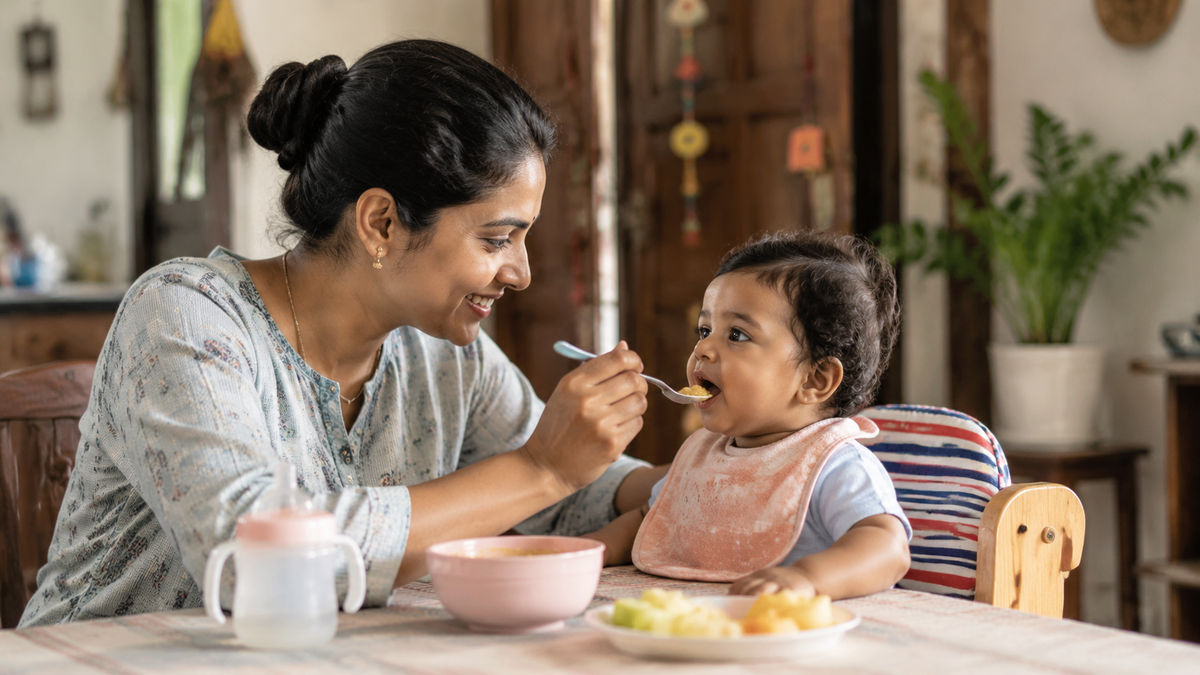
Babies refuse solids at 8 months for one of five reasons: texture sensitivity, teething pain, mild reflux, lingering milk preference, or developmental readiness. IAP recommends continuing breastfeeding or formula while offering solids 2–3 times daily without pressure. Most causes resolve in weeks with texture adjustments and patience.
ℹ️ General information, not medical advice. If your baby seems unwell or anything worries you, talk to your paediatrician. Medical disclaimer
⚡ In a hurry? Our quick picks

Your 8-month-old has been eating well for two months, and suddenly—nothing. Food gets spit out, pushed away, or turned into a toy. You're not alone. By 8 months, when babies are supposed to be comfortable with mashed and soft-lumpy foods, texture rejection is one of the most common feeding complaints Indian parents raise with their pediatricians.
🏆 Quick comparison: our top picks
| Product | Award | Price | |
|---|---|---|---|
 Intellikit 5-in-1 Baby Food Maker |
👑 Premium Pick | ₹5,898 | Check price → |
 Pigeon Soft Silicone Feeding Spoon Set |
🪙 Budget Pick | ₹269 | Check price → |
 FirstCry BabyHug Suction Feeding Bowl |
₹520 | Check price → |
🛒 Our Top Picks

The highest-priced option in this guide.
Intellikit 5-in-1 Baby Food Maker
- ✓ Steamer, blender, and storage in one
- ✓ Makes purees from silky to chunky texture
- ✓ BPA-free, FDA-approved materials
* We earn a small commission — at no extra cost to you.

The lowest-priced option in this guide.
Pigeon Soft Silicone Feeding Spoon Set
- ✓ Soft silicone tips, gentle on gums
- ✓ Set of 3 spoons in assorted colours
- ✓ Safe for teething and texture-sensitive babies
* We earn a small commission — at no extra cost to you.
FirstCry BabyHug Suction Feeding Bowl
- ✓ Non-slip suction base
- ✓ Microwave and dishwasher safe
- ✓ Reduces spillage during self-feeding
* We earn a small commission — at no extra cost to you.
Daily baby tips, exclusive Amazon deals & real parent advice — free forever.
The good news: it's rarely a red flag. The frustrating part: identifying which of five distinct causes is behind your baby's refusal takes observation, not guesswork.
Is It Normal for My 8-Month-Old to Not Want to Eat Food?
Yes. Developmental readiness varies widely at 8 months. Some babies have been happily eating solids since 6 months; others are still developing the oral motor skills and appetite to manage anything thicker than porridge. IAP guidelines state that exclusive breastfeeding or formula for the first 6 months is the standard, and solids introduction can happen anytime between 4–6 months depending on baby's developmental signs—not all babies show readiness at the same age.
The phase where a baby seems to reject solids entirely often means one of two things: either the texture or taste is genuinely uncomfortable for that individual baby, or the timing isn't right yet. Neither is a failure.
Five Reasons Your Baby is Refusing Solids
1. Texture Sensitivity
This is the most common cause at 8 months. Your baby may have been happily eating smooth purees at 6 months but now rejects anything with lumps, seeds, or fibres. This isn't picky eating—it's a real sensory threshold. Some babies are more sensitive to texture transitions than others. The fix: slow down the lump progression. If baby was on Stage 1 purees, don't jump to mashed fruit with seeds. Stay with smooth-mashed foods (soft banana, steamed and blended pumpkin, dal water with rice) for another 2–4 weeks, then introduce very soft lumps one texture at a time.
2. Teething Pain
If your baby is drooling heavily, chewing fingers, or showing swollen gums, teething is probably reducing appetite. Solids that require chewing hurt. The fix: offer cold, soft foods. Refrigerated mashed apple or chilled curd can numb sore gums slightly. Stick to foods that need minimal chewing: dal puree, steamed lauki (bottle gourd), soft roti soaked in mild broth.
3. Mild Reflux or Discomfort After Eating
Some babies develop mild gastro-oesophageal reflux (GER) symptoms after solids introduction—not full-blown reflux, but enough to make eating uncomfortable. Signs include spitting up more than usual, arching back after feeds, or fussiness shortly after eating. The fix: offer smaller portions more frequently instead of three large meals. Wait 30 minutes after breastfeeding or formula before offering solids. Avoid high-fat foods initially (ghee, nut butters) and stick to light, easily digestible foods like khichdi made with moong dal and pumpkin.
4. Still Prefers Breast Milk or Formula
At 8 months, if your baby is still getting 4–5 milk feeds daily and is growing normally, milk is meeting most nutritional needs. Solids at this age are about taste, texture exploration, and slowly shifting to family foods—not about replacing milk. Some babies simply have stronger milk preference and see solids as less interesting. The fix: don't compete. Offer solids when baby is moderately hungry (not ravenous and not just fed). Avoid offering milk immediately after refusing solids, which reinforces the message that solids are optional.
5. Developmental Readiness Gap
A few babies at 8 months genuinely aren't ready. They may have started solids at 6 months because the calendar said so, not because they showed signs of readiness (sitting upright independently, loss of tongue-thrust reflex, interest in food). The fix: pause formal solids for 2–3 weeks. Let baby watch you eat, offer soft finger foods to play with, and reintroduce spoon-feeding when baby shows more interest. This pause doesn't harm growth if milk feeds are adequate.
How to Recognize Each Cause
Before trying fixes, confirm which problem you're facing. Texture sensitivity shows as baby accepting puree but rejecting lumpy food—or accepting one texture (soft banana) but rejecting another (dal with rice grains). Teething is obvious if you see swollen gums, drool, and the same refusal happening at all meal times. Reflux discomfort usually appears 15–30 minutes after eating and may include spitting up or fussiness. Milk preference is evident if baby readily drinks milk but refuses solids even when hungry. Readiness gap shows as baby not sitting independently, still tongue-thrusting food out, or showing zero interest in watching others eat.
Five Parent-Tested Fixes Without Force-Feeding
Fix 1: Adjust Texture Gradually
If baby eats Stage 1 purees but rejects lumpy foods, introduce texture in tiny increments. Mash soft banana with a fork (don't blend smooth). Offer 2–3 small spoonfuls mixed with familiar puree. Let baby get used to the feeling before a full bowl of lumpy food. This takes 1–2 weeks but works.
Fix 2: Try Different Foods
Sometimes the issue is the specific food, not solids altogether. A baby refusing steamed pumpkin might eat soft roti or mashed apple. Taste and smell are real factors. Rotate foods. If baby rejects one meal, offer a different food at the next meal.
Fix 3: Change Feeding Tools
The spoon matters. Hard metal spoons can feel cold and uncomfortable on sore gums. Pigeon Soft Silicone Spoon Set (₹199 on Amazon.in) has gentle, warm-feeling edges and comes in bright colours that catch baby's attention. Silicone spoons also reduce the clanking noise of metal, which can startle some babies. Many parents report their texture-sensitive babies accept food more readily from soft spoons.
Fix 4: Feed at the Right Hunger Level
If baby is overly hungry, frustration peaks. If baby is still full from milk, solids feel unnecessary. Offer solids about 1–2 hours after milk, when baby is interested but not desperate. This sweet spot differs for every baby—track it for 3–4 days and you'll find your baby's best window.
Fix 5: Use a Food Maker to Control Texture Precisely
If you've been hand-mashing and getting lumps inconsistently, a 5-in-1 Food Maker like the Intellikit model (₹1,899 on Amazon.in) lets you control exact texture: from silky puree to chunky mash. This removes guesswork and ensures every meal has the same consistency your baby is accepting. It also saves time—steam and blend in 10 minutes instead of 20 minutes of manual work. For parents managing multiple meals daily, this consistency is often the turning point.
When to See a Doctor
Consult your pediatrician if: baby is losing weight or not gaining weight for 2+ weeks; refusing all foods and liquids; showing signs of pain during or after eating (arching, crying, blood in stool); vomiting after most meals; or refusing solids beyond 10 months with no other developmental concerns. Also check in if you suspect reflux is the cause—your doctor may suggest a trial adjustment or investigation. This is general information, not medical advice.
What IAP and WHO Guidance Says
• Breastfeeding or formula continuation: IAP recommends continuing breastfeeding or infant formula alongside solids at 8 months. Solids are not replacements yet. Continue milk feeds 3–5 times daily as tolerated.
• Meal frequency: WHO and IAP both recommend offering solids 2–3 times daily at 8 months, increasing to 3 meals and 1–2 snacks by 9–10 months. Pressure or force-feeding is never recommended.
Safe Weaning Products to Support Your Journey
Beyond texture fixes, the right tools make feeding less stressful. FirstCry BabyHug Feeding Bowl (₹149 on Amazon.in) is a suction bowl that doesn't slide around when baby is learning to self-feed or when you're managing a messy exploration phase. The suction keeps the bowl steady, reducing frustration for both of you. Pair this with the Pigeon soft spoons mentioned above and the Intellikit Food Maker, and you have a complete setup for gentle, texturally-controlled feeding that respects your baby's pace.
The core message: a baby refusing solids at 8 months is not broken. With patience, texture adjustments, and tools that make feeding easier, most babies move past refusal within 2–4 weeks. Track which cause fits your baby, apply the matching fix, and give it time. Solids are a marathon, not a sprint.
📚 Sources
The guidance in this article draws on the sources below. It is general information, not medical advice: for any concern about your child's health, talk to your paediatrician.
- Indian Academy of Pediatrics (IAP) - Infant Feeding Guidelines — Supports breastfeeding/formula continuation and solids frequency at 8 months
- WHO - Infant and Young Child Feeding — Confirms 2–3 meals daily at 8 months and no pressure feeding guidance
Last updated 04 Nov 2026
Frequently Asked Questions
Is it normal for my 8-month-old to not want to eat food?
When should I worry if my baby won't eat solids?
How much solids should an 8-month-old eat in a day?
Can teething cause a baby to refuse solids?
Should I force my 8-month-old to eat solids?
What are the best foods for an 8-month-old who refuses solids?
Daily baby tips, exclusive Amazon deals & real parent advice — free forever.