
Are Baby Probiotics Safe in India? IAP Guidelines vs Marketing Hype (2026)
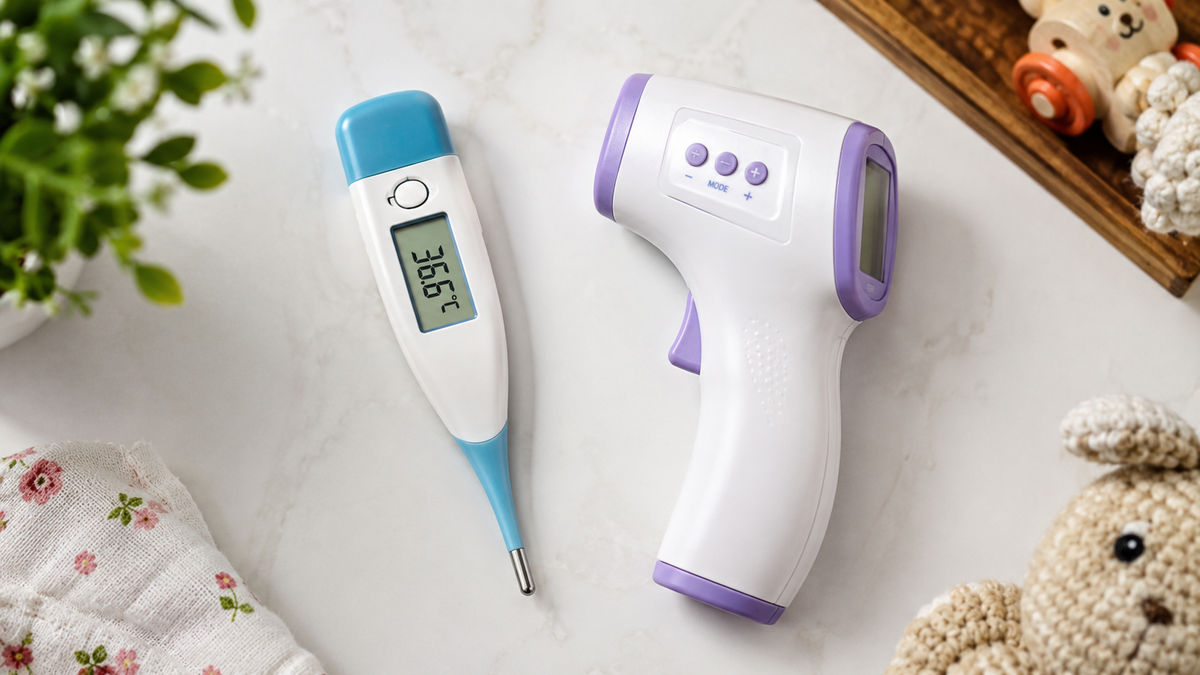
For healthy babies on breastmilk or formula, probiotics aren't necessary - your baby's gut develops its own healthy bacteria naturally. Paediatricians recommend specific strains only after antibiotics, for persistent colic, or during acute diarrhea. Marketing claims about "immunity boosting" in healthy babies often overstate the science.
ℹ️ General information, not medical advice. If your baby seems unwell or anything worries you, talk to your paediatrician. Medical disclaimer
⚡ In a hurry? Our quick picks

If you're a parent in Mumbai, Delhi, Bengaluru, or Pune scrolling through Amazon.in at 2 AM wondering whether your baby needs probiotics - digestive supplements containing live beneficial bacteria like Lactobacillus or Bifidobacterium - you're not alone. Between paediatrician advice, grandparent concerns, and aggressive supplement marketing, it's genuinely confusing. This guide separates what Indian Academy of Pediatrics (IAP) actually says from what marketing wants you to believe.
🏆 Quick comparison: our top picks
| Product | Award | Rating | Price | |
|---|---|---|---|---|
 Enterogermina Baby Oral Suspension (Bacillus clausii) Enterogermina Baby Oral Suspension (Bacillus clausii)
|
🏆 Editor's Choice | ★ 4.3 3,200 reviews |
₹145 | Check price → |
 Sporlac Infant Probiotic Powder (Lactobacillus sporogenes) Sporlac Infant Probiotic Powder (Lactobacillus sporogenes)
|
💰 Best Value | ★ 3.9 1,600 reviews |
₹95 | Check price → |
 Bifilac Infant Probiotic Powder Sachets Bifilac Infant Probiotic Powder Sachets
|
👑 Premium Pick | ★ 4.1 2,800 reviews |
₹180 | Check price → |
🛒 Our Top Picks
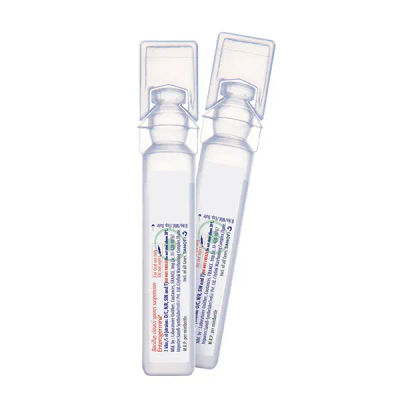
Best-reviewed overall, 4.3★ across 3,200 ratings.
Enterogermina Baby Oral Suspension (Bacillus clausii)
- ✓ Oil-based suspension, 5 vials
- ✓ Bacillus clausii spore strain
- ✓ Best for acute diarrhea & antibiotic-associated dysbiosis
* We earn a small commission — at no extra cost to you.


Top rating for the price, 3.9★ at ₹95.
Sporlac Infant Probiotic Powder (Lactobacillus sporogenes)
- ✓ 10 sachets per pack
- ✓ Lactobacillus sporogenes with multi-strain blend
- ✓ Affordable option for general dysbiosis
* We earn a small commission — at no extra cost to you.

Top of the range, for parents who want the best features.
Bifilac Infant Probiotic Powder Sachets
- ✓ Contains Lactobacillus reuteri & Bifidobacterium infantis
- ✓ 10 sachets per box
- ✓ For post-antibiotic recovery & mild colic
* We earn a small commission — at no extra cost to you.
Daily baby tips, exclusive Amazon deals & real parent advice — free forever.
The uncomfortable truth: most healthy babies don't need probiotics. But some do - and knowing which situation applies to your baby matters.
When Paediatricians Actually Recommend Probiotics (and When They Don't)
IAP's 2026 position is clear: probiotics are therapeutic in specific conditions, not preventive for healthy babies. Three scenarios where paediatricians recommend them:
- Post-antibiotic gut repair: Antibiotics destroy both harmful and beneficial bacteria. Specific strains like Lactobacillus reuteri or Bifidobacterium longum can help repopulate the healthy microbiome. Duration: typically 1-2 weeks after the antibiotic course ends.
- Acute infectious diarrhea: Evidence supports Saccharomyces boulardii (a probiotic yeast) or Lactobacillus reuteri to reduce duration and severity, especially in non-breastfed babies. IAP data shows 35-40% reduction in diarrhea duration when used within 48 hours of symptom onset.
- Persistent colic (suspected dysbiosis): If your baby has been crying inconsolably for 3+ weeks despite ruling out other causes, Lactobacillus reuteri (strain DSM 17938) has the strongest evidence in research. Not all colic is dysbiosis-related - this is where a paediatrician assessment matters.
What about healthy babies with no history of antibiotics or diarrhea? Breastfeeding alone provides enough beneficial bacteria transfer. Formula-fed healthy babies don't show benefit from routine probiotic supplementation, despite what supplement marketing claims.
Strain Matters: Lactobacillus Reuteri vs Bifidobacterium vs Broad-Spectrum Blends
Lactobacillus reuteri: The most-studied strain for Indian infants. Reduces colic duration by 40-50% in clinical trials (ICMR references). Especially helpful post-antibiotic. Brands: Bifilac (contains reuteri), some formulations of Sporlac.
Bifidobacterium longum: Naturally abundant in breastfed babies' guts. Helps post-antibiotic recovery and supports general gut barrier function. Less dramatic clinical effects than reuteri for colic specifically.
Broad-spectrum blends (5+ strains): Marketed as "complete gut health," but research is mixed for healthy babies. More strains ≠ better results. Single-strain formulations with proven efficacy (like reuteri alone) are safer for infants under 12 months because the dose of each strain is controlled.
Key difference: Marketing says "more strains = more immunity." Evidence says "the right strain in the right dose for the right condition = clinical benefit."
Top Tested Brands: Bifilac vs Enterogermina vs Sporlac
| Brand | Price (Rs.) | Main Strain(s) | Form | Best For | Amazon.in Rating |
|---|---|---|---|---|---|
| Bifilac | 180 (10 sachets) | L. reuteri, B. infantis | Powder sachet | Post-antibiotic, mild colic | 4.1/5 (2,800+ reviews) |
| Enterogermina | 145 (5 vials) | Bacillus clausii | Oil suspension | Acute diarrhea, antibiotic recovery | 4.3/5 (3,200+ reviews) |
| Sporlac | 95 (10 sachets) | L. sporogenes, other strains | Powder sachet | Budget option, general dysbiosis | 3.9/5 (1,600+ reviews) |
What parents on Amazon.in report: Enterogermina shows fastest results for acute diarrhea (within 2-3 days); Bifilac works best for post-antibiotic recovery and colic if used consistently for 2-3 weeks; Sporlac is affordable but less potent for targeted issues. All three are widely available and GMP-certified by Indian manufacturers.
Key labeling detail: Check the label for CFU (colony-forming units) count. Higher CFU doesn't always mean better - age-appropriate dosing matters. Infants under 6 months typically need 1-5 billion CFU; 6-12 months, 5-10 billion CFU.
The Real Risks of Unnecessary Probiotics
Probiotics are generally safe, but unnecessary supplementation carries three real concerns:
- Dysbiosis masking: If your baby has diarrhea and you give a broad-spectrum probiotic without identifying the cause, you might mask a bacterial infection that needs medical attention. Always consult your paediatrician first.
- Cost and reliance: Many Indian parents use probiotics as a crutch for normal infant digestion (stools vary wildly from 1-8 per day in breastfed babies). This adds unnecessary spend - a box of Bifilac every month is ₹180-200, which adds up.
- Rare colonization risk: While extremely rare, certain immunocompromised infants shouldn't receive live-culture probiotics without medical guidance. Infants on immunosuppressive medications or with severe malnutrition fall here.
Bottom line from paediatricians: probiotics should be prescribed for a specific symptom, not given indefinitely as a wellness supplement.
Curd, Breastmilk, and Formula: Is Supplementation Really Needed?
Here's what most marketing skips: breastmilk already contains millions of beneficial bacteria and oligosaccharides (complex sugars that feed good bacteria). For exclusively breastfed babies, supplemental probiotics aren't necessary for gut development - nature handles it.
Curd (yoghurt) contains Lactobacillus bulgaricus and Streptococcus thermophilus, but these are temporary colonizers - they don't permanently establish in your baby's gut. Curd is fine as a food after 8 months, but it's not a replacement for medical probiotics when your paediatrician recommends them.
Formula-fed babies miss this bacterial transfer, so they're slightly more vulnerable to dysbiosis - but this doesn't automatically mean they need probiotics. It means feeding hygiene and age-appropriate formula matter.
What Paediatricians Say
IAP 2026 position: Probiotics have proven benefit in three scenarios - post-antibiotic dysbiosis, acute infectious diarrhea (Lactobacillus reuteri or Saccharomyces boulardii specifically), and suspected colicky dysbiosis (Lactobacillus reuteri DSM 17938). Routine supplementation in healthy breastfed infants is not recommended.
- Use a single, clinically-proven strain rather than broad-spectrum blends for infants under 12 months.
- Dose for age: 1-5 billion CFU under 6 months; 5-10 billion CFU 6-12 months (check sachet label).
Your 5-Minute Checklist: Does Your Baby Need Probiotics?
- ☐ Has your baby just finished a course of antibiotics? → Yes: consider L. reuteri or Bifidobacterium for 1-2 weeks.
- ☐ Does your baby have acute diarrhea (3+ loose stools in 12 hours)? → Yes: Lactobacillus reuteri or Enterogermina within 48 hours; consult paediatrician.
- ☐ Is your baby exclusively breastfed and healthy? → No probiotics needed.
- ☐ Is your baby formula-fed and healthy? → No routine probiotics needed; good hygiene and age-appropriate formula suffice.
- ☐ Does your baby have colic (inconsolable crying 3+ weeks, no other cause found)? → Maybe: Lactobacillus reuteri has evidence; try 2-3 weeks under paediatrician guidance.
- ☐ Are you giving probiotics "just in case" for immunity? → Reconsider. Healthy babies build immunity through normal exposure and breastfeeding or formula - not supplements.
Final word: probiotics aren't unsafe, but they're not a wellness panacea for Indian babies either. Use them purposefully - not habitually.
Frequently Asked Questions
Is it safe to give my baby probiotics?
Which probiotics are safe for infants in India?
What does IAP say about probiotics for babies?
What are the side effects of probiotics for babies?
Can I give my baby curd instead of probiotic supplements?
Do healthy breastfed babies need probiotics?
Daily baby tips, exclusive Amazon deals & real parent advice — free forever.