
Baby-Led Weaning Finger Foods 6-12 Months: Safe Options, Choking Prevention & Mess-Free Setup
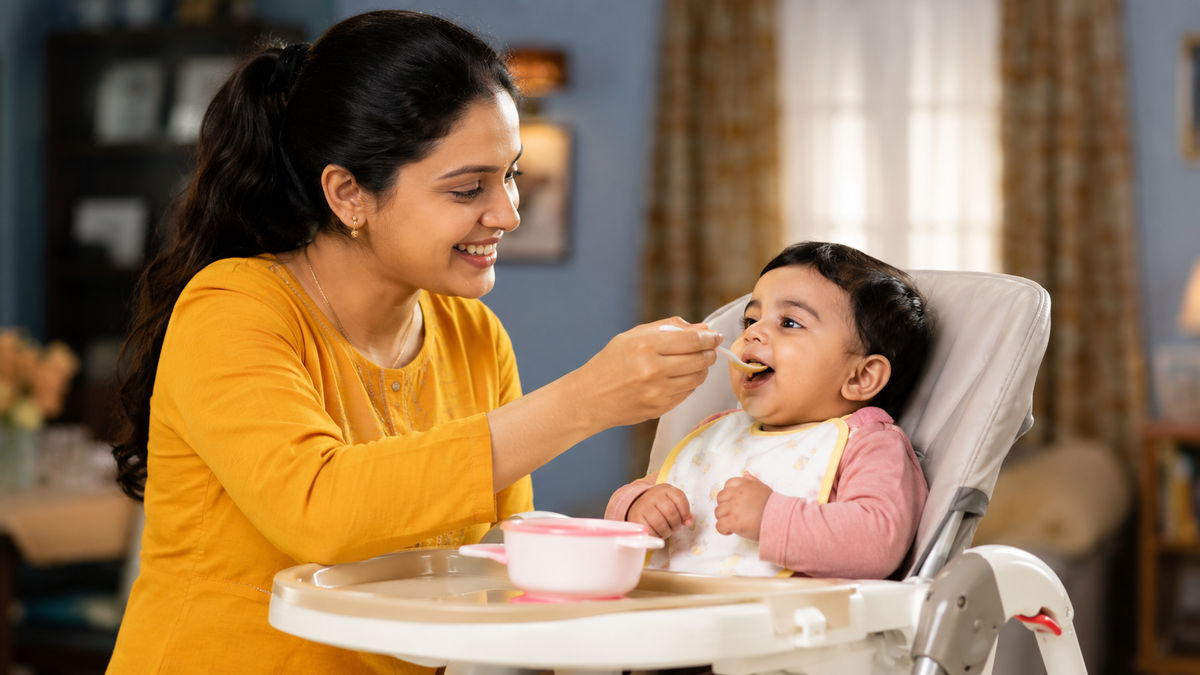
Safe baby-led weaning finger foods from 6-12 months include ragi roti strips, banana pieces, steamed pumpkin cubes, soft pear, paneer, and moong dilla. Sizes range from pea-shaped (6-8 months) to finger-length sticks (9-12 months). Gagging is the body's protective reflex; choking is silent and requires immediate action.
ℹ️ General information, not medical advice. If your baby seems unwell or anything worries you, talk to your paediatrician. Medical disclaimer
⚡ In a hurry? Our quick picks
Baby-led weaning (BLW) — introducing whole foods as finger foods instead of purees — has become more common among Indian parents in tier-1 and tier-2 cities. If you're starting solids at 6 months and want to skip or mix purees with self-feeding, you'll need to know which foods are genuinely safe, how to cut them, when to worry about choking, and which tools actually reduce mess without adding stress.
🏆 Quick comparison: our top picks
| Product | Award | Price | |
|---|---|---|---|
 LuvLap Suction Plate with Lid |
👑 Premium Pick | ₹399 | See alternatives → |
 Minlook Silicone Baby Bib with Pocket |
🪙 Budget Pick | ₹243 | Check price → |
 Goldie Stainless Steel Suction Plate |
₹399 | Check price → |
🛒 Our Top Picks
The highest-priced option in this guide.
LuvLap Suction Plate with Lid
- ✓ Silicone suction base
- ✓ Divided sections for multiple foods
- ✓ BPA-free
* We earn a small commission — at no extra cost to you.

The lowest-priced option in this guide.
Minlook Silicone Baby Bib with Pocket
- ✓ Waterproof silicone
- ✓ Deep food-catch pocket
- ✓ Easy to rinse and air-dry
* We earn a small commission — at no extra cost to you.
Goldie Stainless Steel Suction Plate
- ✓ Stainless steel bowl with suction base
- ✓ Durable for long-term use
- ✓ Food-grade silicone suction
* We earn a small commission — at no extra cost to you.
Daily baby tips, exclusive Amazon deals & real parent advice — free forever.
This guide covers the finger foods that work in Indian kitchens, the textures that prevent choking, how much salt and spice are safe, and the affordable accessories (silicone bibs around Rs. 300 and suction plates under Rs. 400) that make cleanup realistic for busy families.
Safe Finger Foods by Age and Texture
Texture is the single most important factor in preventing choking during baby-led weaning. At 6 months, your baby's gag reflex is still strong and positioned forward in the mouth — this is protection, not a problem. As your baby practices, the reflex moves back and swallowing becomes more controlled. Foods must crumble easily between your thumb and finger, never requiring chewing with back teeth.
6-8 Months: Pea-Sized and Dissolvable
Ragi roti strips: Finger-millet rotis are naturally soft and dissolve in saliva. Cut into pea-sized pieces or offer thin strips (1 cm wide) that your baby can gum. Ragi is iron-rich and aligns with IAP recommendations for iron introduction around 6 months. Serve plain, with no added salt or butter.
Banana: Mash half a banana with a fork until it becomes lumpy (not a smooth paste). Offer on a shallow plate so your baby picks up pinches. Banana is gentle on the digestive system and rarely causes allergic reactions. Never add honey before 12 months due to botulism risk.
Steamed pumpkin: Boil or steam pumpkin until it is so soft that a spoon cuts through easily. Cut into pea-sized pieces. Pumpkin is easy to digest, naturally sweet, and provides vitamin A: essential for eye and immune development in babies aged 6-12 months.
Steamed lauki (bottle gourd): A mild, easily digestible vegetable common in Indian cooking. Steam until very soft and cut into small pieces. Lauki has high water content and is gentle on developing digestive systems. Serve without salt.
8-10 Months: Finger-Length Sticks and Soft Cubes
Paneer cubes: Soft cottage cheese cut into 1 cm cubes. Paneer provides protein and calcium essential for bone development. Offer unsalted paneer initially. By 10 months, a small pinch of salt (less than 1/8 teaspoon per serving) is acceptable according to IAP feeding guidelines. Paneer crumbles easily and poses minimal choking risk.
Soft pear: Ripe pear (almost overripe) mashed into chunky pieces or cut into soft sticks. Pear provides fibre and helps prevent constipation, common when starting solids. Unlike banana, pear stays slightly firmer and helps your baby practice chewing without teeth.
Moong dilla (dal cakes): Cooked moong dal mashed and formed into soft finger cakes, then steamed or boiled. Moong is protein-rich and one of the least allergenic lentils. Shape into finger-length pieces (about 1 cm thick, 5 cm long). These cakes are soft enough to gum but substantial enough for self-feeding practice.
Ragi dosa: Thin finger-millet crepes, hand-torn into strips. Ragi dosa is popular in South Indian homes and naturally gluten-free. Tear into manageable strips rather than cutting with a knife to create irregular, easy-to-hold shapes.
10-12 Months: Graduated Complexity
By 10 months, if your baby has progressed without concerns, you can introduce slightly firmer textures and mild spice. Foods must still crumble when pressed between your thumb and finger. Add up to 1/4 teaspoon salt per meal and a tiny pinch of turmeric or cumin if your family normally uses these. Avoid chilli powder, whole spices, or hot preparations until after 12 months.
Gagging vs. Choking: What Every Parent Needs to Know
Gagging is a protective reflex: your baby's body is learning to manage food. Signs include coughing, making noise, eyes watering, or the food being pushed forward and out of the mouth. Let it happen — this is how babies learn. Choking is silent: your baby cannot cough, cry, or call for help. If choking occurs, perform infant back blows and chest thrusts (this is essential knowledge; take an infant CPR course before starting BLW).
Choking risk is highest with foods that are:
- Hard or crunchy (whole nuts, raw apple pieces, popcorn)
- Sticky and ball-shaped (rice balls, large mouthfuls of nut butter)
- Slippery and round (whole grapes, cherry tomatoes)
- Fibrous and stringy (raw celery, corn silk)
None of the foods recommended above fall into these categories. The finger foods listed are chosen because they dissolve or crumble naturally. Your baby's job is to play and explore; your job is to sit at the table, watch, and ensure the food size and texture are safe.
Salt, Spice, and Digestive Readiness
IAP guidelines recommend keeping salt below 1 gram per day for babies under 12 months — roughly a pinch. Excess salt strains developing kidneys. Spice (turmeric, cumin) in tiny amounts is fine from 8 months onward if your family cooks with it regularly; chilli and hot spices should wait until 12 months or later. Sugar and jaggery should be avoided or minimised in the first year.
Introduce one new food every 3-5 days and watch for signs of intolerance: rashes, vomiting, diarrhoea, or difficulty breathing. If any occur, stop that food and consult your paediatrician. Most babies tolerate the foods listed here without issue, but every baby is different.
Mess Management: Bibs, Plates and Realistic Expectations
BLW is messy by design — babies learning to self-feed will drop, squish, and throw food. Two affordable tools reduce cleanup without adding fuss:
Silicone bibs (Rs. 250–350 on Amazon.in): Waterproof, pocket-lined bibs catch falling food and crumbs. Unlike cloth bibs, they are easy to rinse and dry. Many families use one per meal and wash weekly. Popular options include Minlook, LuvLap, and Syga brands — all offer basic silicone models under Rs. 400 with 4–4.5 star ratings on Amazon.in.
Suction plates (Rs. 350–500 on Amazon.in): Plates with a suction cup base reduce tipping and spilling. Babies can push food around without knocking the plate onto the floor. Brands like Goldie, Jaiprakash Wires, and LuvLap offer suction plates in silicone or plastic, rated 4.2–4.6 stars. These are optional but genuinely helpful if your baby is vigorous or your dining surface is carpeted.
Set up feeding time on a washable mat (a simple PVC sheet or old tablecloth), remove your baby's shirt if warm enough, and accept that some food will end up on the floor or the baby. This is normal and part of learning. Cleanup takes 5 minutes; learning takes months.
When to See a Doctor
Contact your paediatrician if your baby shows signs of allergic reaction (swelling of lips or tongue, hives, vomiting, wheezing), refuses food for more than 2–3 days, loses weight, or has persistent constipation or diarrhoea after starting solids. Signs of choking (silent, inability to cough or cry) require emergency services: call 112 immediately and perform infant CPR if trained. This is general information, not medical advice.
What IAP and WHO Guidance Says
IAP recommends exclusive breastfeeding until 6 months, then introduction of age-appropriate solids alongside continued breastfeeding or formula. Baby-led weaning is a valid approach if textures are safe and choking risk is minimised. WHO emphasises that responsive feeding — letting the baby self-pace and self-feed when ready — supports healthy eating habits and reduces choking risk. Both bodies endorse iron-rich foods (ragi, dal, paneer) early in the weaning journey.
📚 Sources
The guidance in this article draws on the sources below. It is general information, not medical advice: for any concern about your child's health, talk to your paediatrician.
- Indian Academy of Pediatrics: Infant Feeding Guidelines — Iron introduction at 6 months, salt limits, and responsive feeding principles
- WHO Infant Feeding and Complementary Feeding Guidelines — Age-appropriate texture progression and choking prevention
- American Academy of Pediatrics: Choking Prevention — Cross-reference on high-risk food shapes and textures
Last updated 15 Nov 2026
Frequently Asked Questions
At what age can I start baby-led weaning?
How do I know if my baby is choking vs. gagging?
Can I add salt and spice to baby-led weaning foods?
What is the best size for finger foods in baby-led weaning?
Are silicone bibs and suction plates necessary for baby-led weaning?
What should I do if my baby refuses finger foods?
Daily baby tips, exclusive Amazon deals & real parent advice — free forever.