
Are New Baby Clothes Safe to Wear Without Washing in India? Chemical Finishes Explained
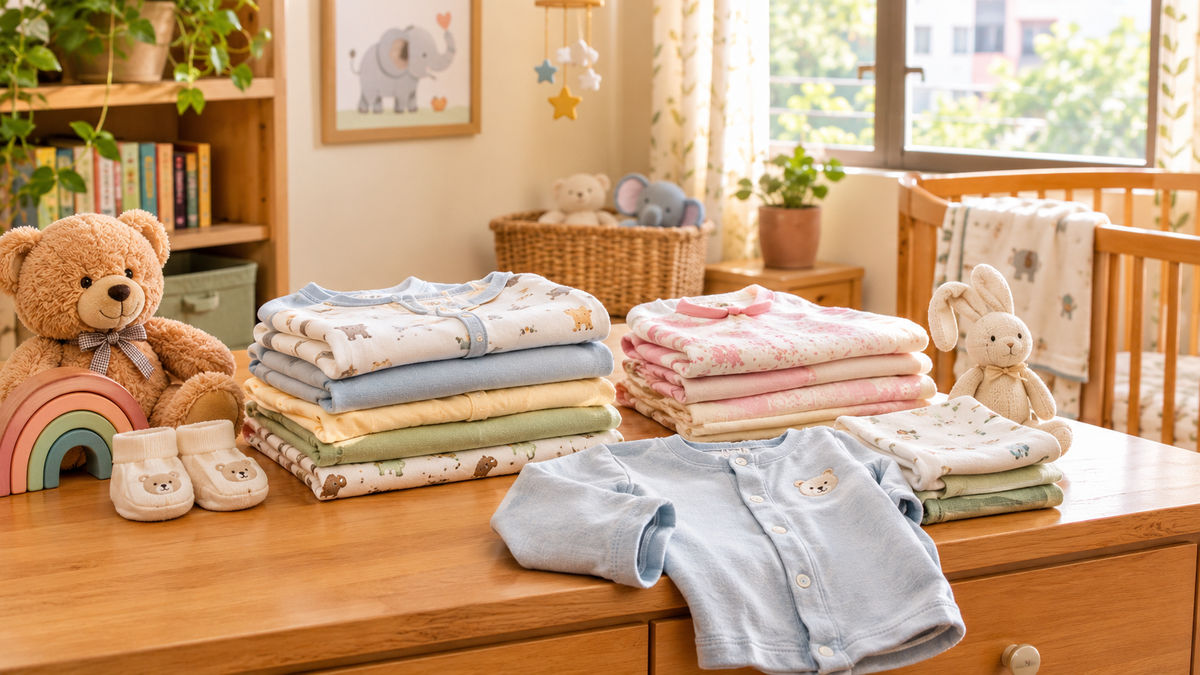
New baby clothes are not entirely safe to wear without washing. Most carry chemical finishes—azo dyes, formaldehyde resin, and processing residues—applied during manufacturing to set colours and prevent wrinkles. Rewashing before first wear removes these; GOTS and OEKO-TEX labelled clothes need less aggressive washing but still benefit from one rinse.
⚡ In a hurry? Our quick picks

The question most of us ask after buying that beautiful new baby romper or kurta: "Do I really need to wash it first?" The answer, based on how baby clothes are actually made and what regulations exist in India, is yes—but the reason matters more than the assumption. Let's talk about the chemicals, what your eyes and nose can tell you, and the washing method that actually works in Indian hard water.
🏆 Quick comparison: our top picks
| Product | Award | Price | |
|---|---|---|---|
 Sebamed Baby Sensitive Wash |
👑 Premium Pick | ₹936 | Check price → |
 Himalaya Baby Wash (Laundry Use) |
🪙 Budget Pick | ₹320 | Check price → |
 Bébé Organics Organic Cotton Baby Romper |
₹750 | Check price → | |
 My Milestones Organic Cotton Baby Kurta Set |
₹424 | Check price → | |
 Mothercare Newborn Sleeper Pack |
See on Amazon | Check price → |
🛒 Our Top Picks

The highest-priced option in this guide.
Sebamed Baby Sensitive Wash
- ✓ pH-balanced for delicate skin
- ✓ No sulphates or parabens
- ✓ Can be used for laundry if label permits
* We earn a small commission — at no extra cost to you.
The lowest-priced option in this guide.
Himalaya Baby Wash (Laundry Use)
- ✓ Mild, fragrance-free formula
- ✓ Safe for baby skin and textiles
- ✓ Works in hard water
* We earn a small commission — at no extra cost to you.
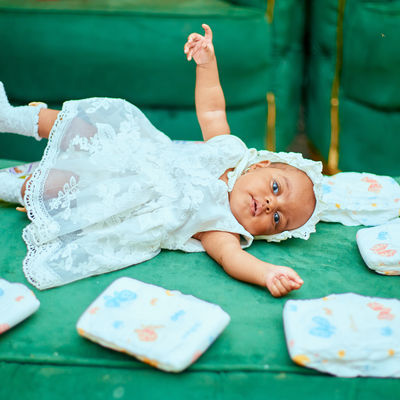
Bébé Organics Organic Cotton Baby Romper
- ✓ GOTS certified organic cotton
- ✓ No azo dyes or synthetic finishes
- ✓ Machine washable, gentle cycle
* We earn a small commission — at no extra cost to you.
My Milestones Organic Cotton Baby Kurta Set
- ✓ OEKO-TEX Standard 100 certified
- ✓ Soft organic cotton blend
- ✓ Printed in India with low-impact dyes
* We earn a small commission — at no extra cost to you.
Mothercare Newborn Sleeper Pack
- ✓ Certified cotton
- ✓ Plain colours with minimal print
- ✓ Preshrunk, easy care labelling
* We earn a small commission — at no extra cost to you.
Daily baby tips, exclusive Amazon deals & real parent advice — free forever.
What the Evidence Actually Shows
Azo dyes: synthetic colourings used in textiles that can break down into aromatic amines—compounds which WHO classifies as potentially concerning for infant skin absorption. They're used because they're cheap and produce bright, stable colours. Bright reds, oranges, yellows, and purples on new baby clothes are most likely azo-dyed. Formaldehyde resin: a finish applied to cotton and blended fabrics to prevent wrinkles and improve colour fastness during storage and shipping. It smells chemical-sharp, almost medicinal, and can irritate sensitive skin. Residual dyes and sizing: starch and other processing agents left over from the factory, which can stiffen fabric and trap bacteria.
None of these are legally "banned" in India for baby wear. The closest regulation is BIS (Bureau of Indian Standards) IS 1174:2017, which sets limits on azo dyes and formaldehyde in textiles—but "limit" doesn't mean zero, and enforcement varies. No amount of regulation makes these chemicals ideal for a newborn's delicate, permeable skin. A baby's skin barrier is thinner than an adult's, and chemical absorption is higher. Rewashing removes most of these finishes; GOTS (Global Organic Textile Standard) and OEKO-TEX certified clothes are made without azo dyes and with significantly lower formaldehyde, but they still carry factory dust and handling residue.
Red Flags on a New Piece: What to Smell, See, and Feel
Strong chemical or medicinal smell: This is formaldehyde resin. If it makes your nose wrinkle, it's there. Organic and certified pieces still have it; it's just milder. Colour bleeds when you hold it under running water: Excess unfixed dye. Wash immediately—don't wait. Bright prints that feel stiff or plastic-like: Heavy dye loading and sizing. Rub the fabric between your fingers; if it feels starchy or leaves colour on your skin, rewash. No label or unreadable label: Can't verify fibre content or care claims. Wash anyway.
What you're looking for on the label: "GOTS certified" or "OEKO-TEX certified" means stricter chemical controls during manufacture. "Organic cotton" alone is not enough—the dyes and finishes still need oversight. "Printed in India" vs. "Made in China" matters less than the finish claims; Chinese factories often use cheaper azo dyes, but it's not a rule.
The Washing Method That Works in Indian Hard Water
Indian tap water is often hard (high calcium and magnesium), which means standard detergent can leave mineral residue on baby clothes. Here's what actually works:
- First wash: cold water, gentle cycle, mild detergent. Use baby-specific detergent (brands like Dreft, Himalaya Baby Wash, or Sebamed Baby Wash list themselves as textile-safe, though they're marketed as body washes—check that the label permits laundry use). For hard water, add a small pinch of citric acid or white vinegar to soften the water and prevent mineral buildup.
- Skip fabric softener entirely. It coats the fabric and reduces absorbency—important for clothes that will be laundered frequently. It also traps bacteria in the fibres.
- Rinse twice. After the wash cycle, run an extra rinse to remove detergent and hard-water minerals. This is non-negotiable if your tap water feels chalky or leaves white marks on glass.
- Dry in sunlight if possible. UV naturally disinfects and helps break down any remaining chemical finishes. If line-drying indoors, ensure good air circulation.
Don't use harsh detergents like those marketed for "tough stains" or "whitening." They contain bleach, enzymes, and surfactants that damage delicate baby fabrics and can irritate skin. Your baby's clothes will get dirty and stained—that's normal. Wash with intention, not aggression.
GOTS and OEKO-TEX: What These Labels Actually Mean
GOTS (Global Organic Textile Standard): certifies that the cotton was grown without synthetic pesticides, and the entire supply chain—spinning, weaving, dyeing, finishing—meets strict chemical and labour standards. No azo dyes; formaldehyde is restricted to trace amounts. Labelled GOTS pieces are significantly safer for newborns. OEKO-TEX Standard 100: tests finished textiles for over 300 harmful substances, including heavy metals and formaldehyde, and certifies that levels are below what's considered harmful for a baby's skin. It doesn't guarantee organic fibres, but it does guarantee chemical safety in the final product.
Both labels cost more because manufacturing is cleaner. If you're buying only one or two pieces—a kurta for a festival, a sleeper for winter—GOTS or OEKO-TEX is worth the premium. If you're bulk-buying basics, focus on what you can spot-check: feel, smell, and colour bleed. GOTS and OEKO-TEX labelled pieces still need one gentle wash before wearing.
When Rewashing is Non-Negotiable
Don't skip the wash if: the label is missing or unreadable; the piece has a strong chemical smell; the colours bleed visibly; it's a print or bright solid; it came from an unknown or discount retailer with no quality markup. Do consider a quick rinse only if: it's certified GOTS or OEKO-TEX, plain white or pastels, and smells neutral. Even then, one rinse removes dust and handling residue—it's worth the five minutes.
Rewashing doesn't damage clothes; it protects your baby. The chemicals don't "seal in" with time; they off-gas (evaporate) or rinse out. A newborn's skin, already prone to cradle cap, nappy rash, and heat rashes, doesn't need chemical irritants layered on top.
What IAP and WHO Guidance Says
IAP (Indian Academy of Pediatrics) emphasizes that newborn skin requires gentle handling and minimal chemical exposure, though it doesn't publish specific textile guidelines. WHO notes that dermatitis in infants under 3 months is often linked to irritants in clothing and bedding, particularly dyes and finishes. Both bodies recommend removing unnecessary chemical exposure where possible—rewashing is the simplest step.
When to See a Doctor
If your baby develops a rash after wearing a new piece—red, bumpy skin, itching, or oozing—wash the item immediately and switch to a different one. If the rash doesn't improve within 2–3 days of changing clothes, or if it spreads, consult your paediatrician. It could be contact dermatitis from dyes or finishes, or it could be something unrelated. This is general information, not medical advice.
The Bottom Line for Indian Parents
Rewashing baby clothes before first wear is a small action with real payoff. You're not being paranoid; you're removing industrial chemicals that have no business on a newborn's skin. Spend the extra two rupees on a gentle detergent, run the extra rinse cycle, and line-dry in the sun. Your baby's skin will thank you, and you'll sleep easier knowing you've done one small thing right from day one.
📚 Sources
The guidance in this article draws on the sources below. It is general information, not medical advice: for any concern about your child's health, talk to your paediatrician.
- BIS IS 1174:2017 – Indian Standard for Textiles — Specifies limits for azo dyes and formaldehyde in Indian textiles for infant wear
- WHO – Infant Health and Environmental Contaminants — General guidance on dermatitis risk and chemical exposure in infants
- IAP – Indian Academy of Pediatrics — Paediatric guidance on infant skin care and irritant exposure
Last updated 22 Nov 2026
Frequently Asked Questions
Do I have to wash new baby clothes before wearing them?
Why not use Dreft detergent for baby clothes?
Is fairy non-bio ok for newborns?
Is it okay to wash baby clothes with normal detergent?
What does GOTS certification mean for baby clothes?
How do I know if a new baby piece has too much chemical finish?
Daily baby tips, exclusive Amazon deals & real parent advice — free forever.