
AC Temperature for Baby Sleep: IAP Guidelines vs Traditional Indian Advice
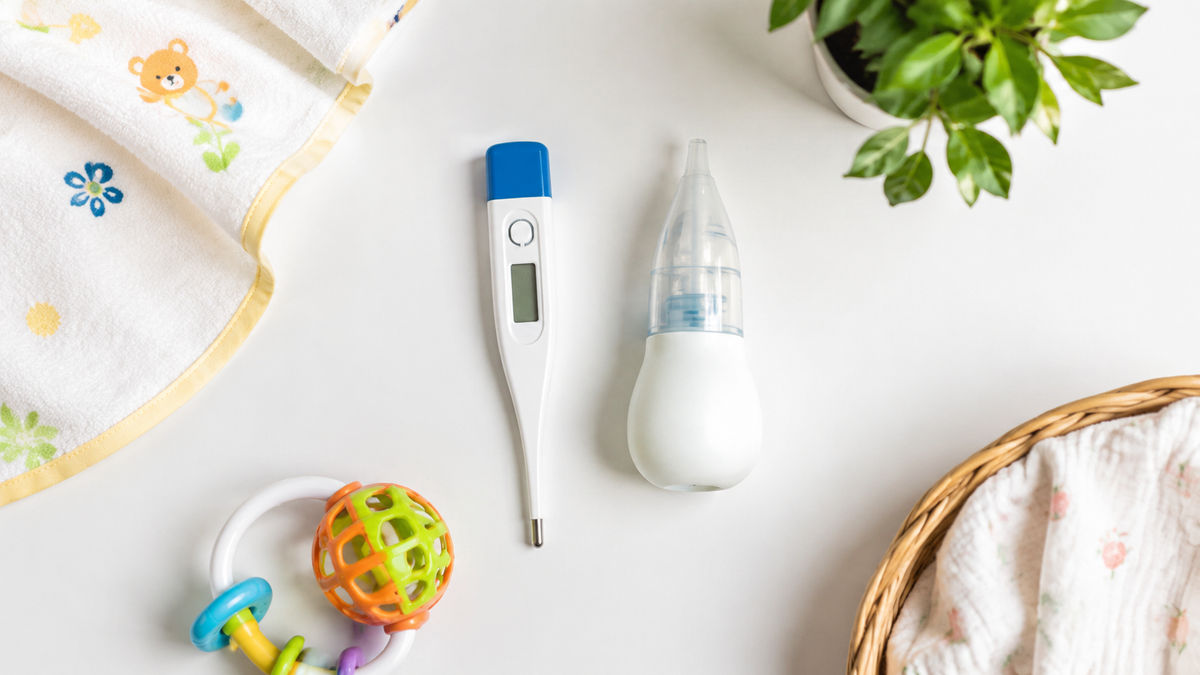
The Indian Academy of Pediatrics (IAP) recommends a room temperature of 22–24°C for safe infant sleep to reduce SIDS risk. AC is safe for babies if set correctly: avoid direct airflow on the baby, maintain 40–60% humidity, and use layers. Traditional advice to keep rooms at 28–30°C without AC increases overheating risk.
ℹ️ General information, not medical advice. If your baby seems unwell or anything worries you, talk to your paediatrician. Medical disclaimer
⚡ In a hurry? Our quick picks
Every October, I hear the same conversation among parents in my building group chat: "Should I turn on the AC now, or will my baby catch a cold?" The fear isn't random. It's been passed down—moms and grandmoms genuinely believed cold air is dangerous for infants, and in 1990s India without reliable thermostats, maybe it was. But 2026 pediatrics tells a different story, and the two worlds collide exactly when temperatures start dropping.
🏆 Quick comparison: our top picks
| Product | Award | Rating | Price | |
|---|---|---|---|---|
 Digital Hygrometer Thermometer with LCD Display |
🏆 Editor's Choice | ★ 4.2 2,847 reviews |
₹189 | See alternatives → |
 Mee Mee Organic Cotton Baby Sleep Suit Full Sleeve |
💰 Best Value | ★ 4.3 987 reviews |
₹699 | Check price → |
 Philips Series 1000 Compact Air Humidifier for Baby Rooms |
👑 Premium Pick | ★ 4.1 1,623 reviews |
₹2,146 | Check price → |
🛒 Our Top Picks

Best-reviewed overall, 4.2★ across 2,847 ratings.
Digital Hygrometer Thermometer with LCD Display
- ✓ Temperature and humidity display
- ✓ Compact size fits on nursery shelf
- ✓ Battery operated, no installation needed
* We earn a small commission — at no extra cost to you.
Top rating for the price, 4.3★ at ₹699.
Mee Mee Organic Cotton Baby Sleep Suit Full Sleeve
- ✓ 100% organic cotton, gentle on skin
- ✓ Long sleeves for cool room sleep
- ✓ Newborn to 12 months sizing available
* We earn a small commission — at no extra cost to you.
Top of the range, for parents who want the best features.
Philips Series 1000 Compact Air Humidifier for Baby Rooms
- ✓ Cool mist safe for infants
- ✓ Auto shut-off when tank empty
- ✓ Whisper-quiet operation for sleep
* We earn a small commission — at no extra cost to you.
Daily baby tips, exclusive Amazon deals & real parent advice — free forever.
The confusion matters because room temperature directly affects SIDS (Sudden Infant Death Syndrome): a sudden, unexplained death in babies under 12 months, often linked to overheating. Getting this wrong doesn't just make your baby uncomfortable—it affects sleep safety. Let me walk you through what the evidence says, where traditional wisdom still holds, and how to actually set up your AC so both your baby and your mother-in-law feel heard.
What the Evidence Actually Shows
The IAP Sleep Safety Guidelines (updated 2026) state plainly: the ideal room temperature for a sleeping infant is 22–24°C. This range emerged from decades of SIDS research showing that overheated babies have a much higher risk of sudden death—their arousal responses flatten, meaning they don't wake if they roll face-down or if their airway gets blocked.
Let's talk about what happens at 28–30°C, the temperature many Indian grandmothers insist on. At that range, a baby in winter clothing plus bedding can reach core temperatures above 38°C—dangerously close to fever territory. The baby's body doesn't cool efficiently because there's nowhere for heat to escape. Even without AC, a poorly ventilated room in October can hit 26–27°C at night, especially in tier-1 cities where buildings trap heat. Add layers—a full-sleeved romper, a blanket, a closed window—and you've created an overheating risk without realizing it.
Humidity is the overlooked half of this equation. IAP and WHO both recommend 40–60% relative humidity for infant sleep. Why? Low humidity (below 30%) dries mucous membranes and increases cough and congestion; high humidity (above 70%) promotes mold and dust mites. AC units in dry climates (like Delhi or Jaipur in winter) can drop humidity to 20–25%, which is when babies actually get colds—not from cold air, but from dried-out airways.
Here's where traditional advice accidentally got something right: in a 28–30°C room without AC, humidity stays higher naturally. The fear of AC wasn't really about temperature; it was about dry air.
Direct Airflow and Why AC Position Matters
The biggest real risk with AC isn't the cold temperature—it's cold air blowing directly on the baby's face or body. A baby can't move to escape a cold draft the way you can. Direct airflow can trigger a gasping reflex and, in rare cases, laryngeal spasm, especially in newborns under 3 months.
IAP guidance is explicit: set the AC unit to oscillate or point away from the baby's sleep space. If your AC is a split unit (common in flats across Mumbai, Bangalore, and Pune), angle it upward or toward a wall. Never point it at the cot. For window units, place the cot in a corner away from the unit. This simple change—it costs zero rupees—is what makes AC genuinely safe.
Layering is your backup. A baby at 22°C wearing a single layer sleepsuit and a lightweight sheet feels comfortable and can regulate temperature. A baby at 22°C in just a diaper will get cold and cry. This is where parents get confused: "But I lowered the AC and my baby is shivering—maybe the advice is wrong?" No. You just need to dress the baby for the temperature, the way you would.
How to Set Up AC Safely for Newborns to 12 Months
Start with this checklist—it covers the difference between a nursery that's just cool and one that's actually safe:
- Temperature: Set AC to 23–24°C at night. This is the middle of the IAP range and feels cool enough to prevent overheating, warm enough that the baby in one layer doesn't shiver.
- Airflow direction: Unit oscillates or points away from the cot. If you have a ceiling AC, it should be centered, not angled toward one side.
- Timer: Many parents leave AC running all night. Better approach: run AC for 2–3 hours before sleep to bring the room to the target temperature, then set a timer to turn it off or switch to fan-only mode. This saves power and keeps humidity from dropping too far by morning.
- Humidity check: A basic hygrometer (Amazon.in, Rs. 200–500) shows you real numbers. If humidity drops below 35%, add a cool-mist humidifier or leave a bowl of water in the room. If it's above 65%, slightly increase AC runtime or ensure the window has a crack for ventilation.
- Clothing: One-piece sleep suit (long-sleeved for October–March in most cities) plus a lightweight cotton sheet. No quilts, duvets, or pillows—SIDS protocol. Check baby's chest or neck—if warm and dry, temperature is right. If sweaty, turn down AC slightly; if cool, add a layer.
- Co-sleeping adjustment: If sleeping in a family bed (very common in joint Indian families), the shared body heat from parents means the baby doesn't need as much clothing. Keep AC to 23–24°C still, but dress the baby slightly lighter. The risk is actually overheating, not cold.
Where Traditional Advice and Modern Guidelines Agree
This matters because grandmothers aren't entirely wrong—they're working from a different data set. Both approaches agree on: avoiding drafts, not overdressing the baby, checking the baby feels warm to the touch (not hot or cold), and ensuring good air circulation in the room. They also agree that a baby who's genuinely cold will cry and wake often. If your baby sleeps soundly at 22°C with proper layers, the setup is working.
Where they diverge: traditional wisdom says "warmer is safer"—it's not. IAP research shows the opposite. A room that's comfortably warm for an adult (25–27°C) is actually too warm for a sleeping baby and increases SIDS risk. This is backed by multiple studies cited by WHO and IAP, not speculation.
When to Choose Modern Guidance Over Traditional
If your mother says, "In my time, babies slept fine at 28°C," she's partly right—babies did sleep fine, because many who didn't didn't get recorded or discussed. SIDS rates were higher then; we just didn't have the term or the data. Today, the guidance exists because pediatricians studied what actually prevents SIDS.
Choose 22–24°C with AC if: your city gets humid in summer (Mumbai, Chennai, Kolkata), your baby has any respiratory sensitivity, you live in a modern flat (which heats up faster than older homes), or you're a parent who prefers measurable, evidence-backed standards.
You can compromise—25–26°C with AC—if you live in a very cool hill station (Shimla, Nainital) or prefer to defer to family comfort. The key is understanding the tradeoff and being intentional, not just following rules.
When to See a Doctor
Contact your pediatrician immediately if your baby shows: excessive sweating, lethargy or unusual drowsiness, refusal to feed, rapid breathing (over 40 breaths per minute at rest), unusual coldness or cyanosis (bluish lips or fingernails), or a history of SIDS in the family. This is general information, not medical advice. Your pediatrician can assess your baby's individual risk factors and advise accordingly.
What IAP and WHO Guidance Says
IAP (Indian Academy of Pediatrics): Room temperature of 22–24°C with 40–60% humidity is ideal for infant sleep and reduces SIDS risk.
WHO: Overheating is a known risk factor for SIDS; recommend a sleep environment that prevents both overheating and excessive cold exposure.
📚 Sources
The guidance in this article draws on the sources below. It is general information, not medical advice: for any concern about your child's health, talk to your paediatrician.
- Indian Academy of Pediatrics Sleep Safety Guidelines 2026 — Supports 22–24°C recommendation and humidity range for SIDS prevention
- WHO Infant Sleep Safety Position Statement — Overheating as SIDS risk factor; room temperature and humidity guidance
Last updated 20 Oct 2026
Frequently Asked Questions
How cold should a room be for a newborn?
Can we use AC at 27 degrees?
Can we use AC for infants?
Is 22 degrees cold for AC?
What's the difference between IAP and traditional Indian advice on baby room temperature?
Do I need a humidifier if I use AC?
Daily baby tips, exclusive Amazon deals & real parent advice — free forever.