
Pant vs Tape Diapers: When to Switch by Age & Lifestyle in 2026
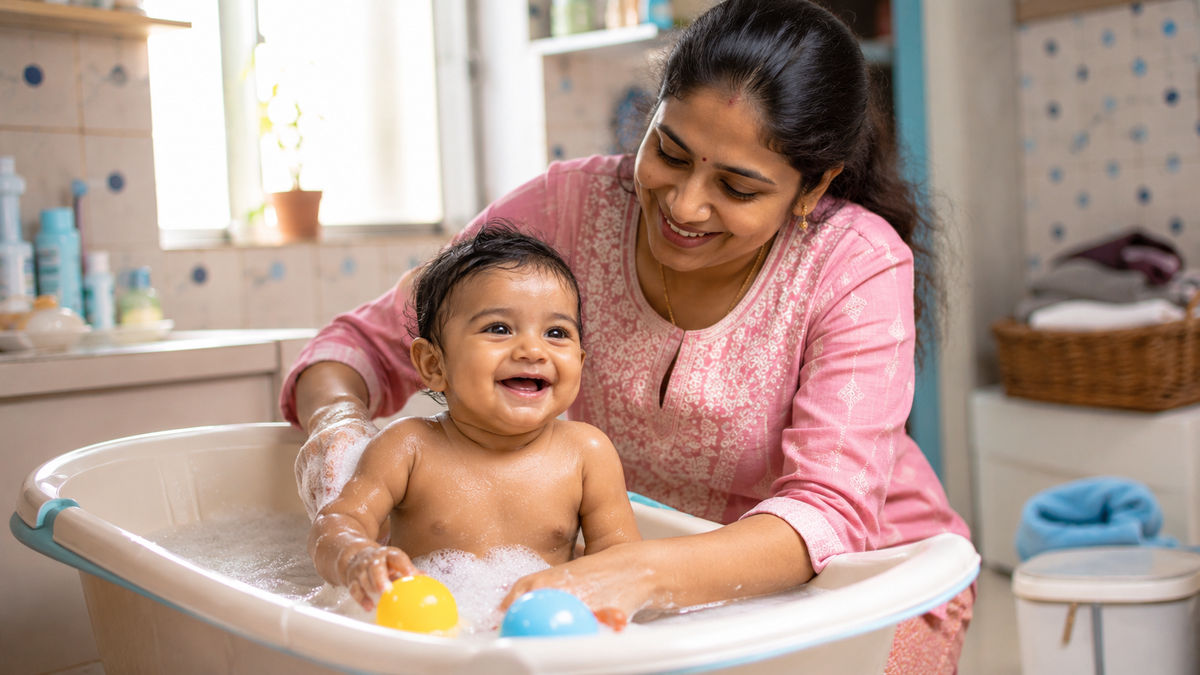
Newborns (0-3 months) typically suit tape diapers for easier changes during frequent diaper duty; switch to pants when your baby starts crawling or sitting (4-6 months onwards) for better mobility and fewer leaks. Pant diapers cost roughly Rs. 10 per piece versus Rs. 8 for tape, but the fit advantage during active play often outweighs the difference.
⚡ In a hurry? Our quick picks
The choice between pant and tape diapers is rarely black-and-white—it shifts with your baby's milestones, your routine, and your budget. This guide walks you through the practical decision points that matter to Indian parents, so you can choose what actually works for your family rather than what marketing promises.
🏆 Quick comparison: our top picks
| Product | Award | Price | |
|---|---|---|---|
 Pampers Swaddlers Pants, Size 2 (5-8 kg) |
👑 Premium Pick | ₹1,310 | Check price → |
 MamyPoko Taped Standard Diapers, Size 1 (Newborn, 2-5 kg) |
🪙 Budget Pick | ₹395 | Check price → |
|
MamyPoko Extra Absorb Pants, Size 3 (7-12 kg)
|
See on Amazon | Check price → | |
 Pampers Swaddlers Taped Diapers, Size 1 (Newborn, 2-5 kg) |
See on Amazon | Check price → | |
 Huggies Wonder Pants, Size 3 (7-12 kg) |
₹1,150 | Check price → | |
|
Pampers Swaddlers Taped, Size 2 (5-8 kg)
|
₹720 | Check price → |
🛒 Our Top Picks

The highest-priced option in this guide.
Pampers Swaddlers Pants, Size 2 (5-8 kg)
- ✓ Pull-on pant style
- ✓ Soft elasticated waistband
- ✓ Soft & secure fit for active babies
* We earn a small commission — at no extra cost to you.

The lowest-priced option in this guide.
MamyPoko Taped Standard Diapers, Size 1 (Newborn, 2-5 kg)
- ✓ Tape closure, adjustable fit
- ✓ 50-piece refill pack
- ✓ Budget-friendly for frequent changes
* We earn a small commission — at no extra cost to you.
MamyPoko Extra Absorb Pants, Size 3 (7-12 kg)
- ✓ Pant-style, no tapes
- ✓ XL waistband fit for crawlers
- ✓ 12-hour dryness claim
* We earn a small commission — at no extra cost to you.
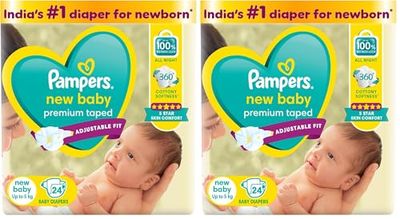
Pampers Swaddlers Taped Diapers, Size 1 (Newborn, 2-5 kg)
- ✓ Adhesive tab closure
- ✓ Wetness indicator
- ✓ Gentle on newborn skin
* We earn a small commission — at no extra cost to you.

Huggies Wonder Pants, Size 3 (7-12 kg)
- ✓ Pant-style elastic fit
- ✓ Leak-lock technology
- ✓ Cushioned waistband
* We earn a small commission — at no extra cost to you.
Pampers Swaddlers Taped, Size 2 (5-8 kg)
- ✓ Adhesive tab, resealable
- ✓ Wetness indicator
- ✓ Flexible sizing for growing babies
* We earn a small commission — at no extra cost to you.
Daily baby tips, exclusive Amazon deals & real parent advice — free forever.
Understanding Tape and Pant Diapers: What's the Real Difference?
Tape diapers (also called taped or open diapers) fasten with adhesive strips on both sides, letting you adjust fit freely and reposition them if needed—handy during the newborn phase when you're changing diapers 8-12 times daily. Pant diapers (or pull-up style) slip on and off like underwear with no tapes or fasteners, designed for babies who move around and grab at their diapers. The structural difference also affects how they manage leaks: tapes give you control over snugness at the waist and legs; pants rely on elasticated fit and are harder to adjust once on.
Common pant formats in India include MamyPoko Pants, Huggies Wonder Pants, and Pampers Swaddlers Pants. Tape options include MamyPoko Taped, Pampers Swaddlers Taped, and Huggies New Taped. Cost per piece matters on a budget: tape diapers typically run Rs. 7–9 per piece in bulk, while pants average Rs. 9–11, though brands and pack sizes vary.
When Do Babies Start Needing Pants Instead of Tape?
The shift usually happens when mobility changes. Until your baby is rolling, sitting upright reliably, or crawling, tape diapers make sense—you have both hands free, you control the fit, and you can often reuse the tabs if your baby isn't a heavy wetter yet. Once your baby crawls, plays sitting up, or starts pulling at their diapers, pants become the practical choice: they're faster to put on, babies can't undo them, and the elastic fit adapts as they move without gaps.
Most Indian parents report switching between 4–6 months, though some start earlier if their baby is naturally active. There's no hard rule: it's driven by what happens in your specific baby's routine. A crawler at 5 months might need pants; a slower-moving 7-month-old might still do fine with tape. IAP (Indian Academy of Pediatrics) doesn't mandate a specific diaper type, but mobility and comfort are key factors in reducing nappy rash risk, which improves with a secure, well-fitted diaper that doesn't shift or leak.
Newborn Phase: Why Tape Diapers Often Win
In the first 3 months, newborns change 8–12 diapers daily (sometimes more). Tape diapers let you work efficiently: you can open them without removing clothes fully, reposition if the fit isn't snug, and adjust for different clothing layers. If your newborn has a diaper blowout mid-shirt, you can sometimes move the tape slightly rather than changing the whole set.
Newborns also wear smaller sizes (Newborn and Size 1), and tape diapers in these sizes come in wider variety and often cheaper packs. Pants in newborn sizes are less common and often pricier. Cost adds up fast when you're buying 300+ diapers a month—switching to tape can save Rs. 60–100 monthly versus pants, which isn't trivial for many households.
Tape diapers also give you feedback: if the tabs feel loose, you know the fit isn't secure. Pants are harder to assess once on—if they're slightly too snug, you've already put them on your baby and may create a red mark.
Active Babies and Crawling: When Pants Become Essential
By 4–6 months, when babies start crawling or sitting upright confidently, tape diapers become a practical nightmare. Your baby is moving, reaching for the tabs, and the diaper shifts with every movement. Pants eliminate that problem: they stay in place, move with your baby, and are faster to change standing up (useful when your baby refuses to lie down). Many crawling babies also leak more with tape diapers because movement and repositioning loosen the seal.
Pant diapers also suit the crawling-to-toddler phase because they're easier for parents to change while the baby is standing or crawling away. You can slide them on and off without laying your baby flat, which is often impossible with an active 8-month-old. MamyPoko Pants and Huggies Wonder Pants are popular in this phase across Indian cities because they handle active play without constant leaks.
Night Use: Tape or Pants—and Rash Prevention
Nighttime diaper choice affects both sleep disruption and rash risk. Tape diapers let you change quickly without fully waking your baby (important for sleep continuity), but pants are often thicker and more absorbent, reducing nighttime leaks. If your baby wakes frequently for feeding anyway, tape might be faster; if your baby sleeps 5-6 hours, a pants diaper with higher absorption may prevent wet-sheet mornings.
Diaper rash risk relates to moisture and friction. Tapes that are too tight cause friction rashes at the thighs and waist; pants that don't fit snugly enough allow urine to pool. The better-fitting diaper—tape or pant—is the one that prevents rash in your baby's case. Some babies have sensitive skin where elastic marks from pants cause irritation; others chafe from tape seams. Observation matters more than format: if you notice red marks after a few days of one type, switch. WHO and IAP guidance emphasizes frequent changes and skin dryness as rash prevention, not diaper format specifically.
Travel and Changing On-the-Go
For outings, pant diapers are faster if you're changing in a car seat, stroller, or standing up—you don't need a flat surface. Tape diapers need more space and coordination, especially if you're holding your baby. However, tape diapers pack smaller and weigh less, which matters if you're traveling light or flying. On long journeys, many parents carry both: pant diapers for daytime outings, tape for nighttime or when space isn't an issue.
Travel also means irregular schedules and sometimes using unfamiliar diaper brands. Pant diapers from different brands are less likely to fit poorly than tape—elastics adapt more forgivingly than adhesive tabs, which can slip or fail to grip if applied at the wrong angle.
Cost Breakdown: What You Actually Spend
A typical monthly diaper budget (assuming 8-10 changes daily, 30 days):
- Tape diapers: 250 pieces × Rs. 8 = Rs. 2,000/month
- Pant diapers: 250 pieces × Rs. 10 = Rs. 2,500/month
Over a year, the difference is Rs. 6,000. That's meaningful for many households. However, if pant diapers reduce leaks (and thus accidental wash loads and rash treatments), the cost difference narrows. Bulk buying from Amazon.in often offers discounts on pant diapers (sometimes 15–20% off MRP), which can bring the per-piece cost closer to tape. A Size 3 Pampers Swaddlers Pants pack on Amazon.in might be Rs. 1,699 for 32 pieces (Rs. 53 per piece MRP, but often ₹1,299–1,499 in offers), versus tape at similar prices if you hunt for deals. The real savings come from loyalty to one brand and regular Amazon subscription discounts, not from choosing tape over pants.
Checklist: Which Should You Choose?
Choose tape diapers if:
- Your baby is 0–3 months old and not yet mobile
- You change diapers 8+ times daily and need speed at night
- Your baby is a light wetter or you prefer more frequent changes
- Budget is tight and Rs. 60–80/month savings matter
- You want to adjust fit on the fly
Choose pant diapers if:
- Your baby crawls, pulls to stand, or is mobile (4+ months)
- You change diapers standing up or in tight spaces
- Your baby pulls at tape-diaper tabs and causes leaks
- Nighttime leaks are a problem and you want higher absorption
- Your baby's skin shows friction marks from tapes
What IAP and WHO Guidance Says
IAP recommends frequent diaper changes (at least every 2-3 hours and immediately after soiling) to prevent nappy dermatitis, regardless of format. The fit and secure seal matter more than tape versus pant. WHO emphasizes skin dryness and air circulation as key to preventing diaper rash—choose whichever format your baby wears comfortably without moisture pooling or friction marks. This is general information, not medical advice.
When to See a Doctor
If your baby develops a persistent red rash that doesn't improve within 3 days of changing diaper frequency, trying a different brand, or switching formats—or if the rash spreads, oozes, or is accompanied by fever—consult your pediatrician. Diaper rash is usually preventable with fit and hygiene, but some cases involve yeast or bacterial infection requiring treatment.
📚 Sources
The guidance in this article draws on the sources below. It is general information, not medical advice: for any concern about your child's health, talk to your paediatrician.
- Indian Academy of Pediatrics (IAP) - Nappy Rash Prevention Guidelines — Supports frequent diaper changes and skin dryness as rash prevention factors
- WHO - Child Health and Development — General infant hygiene and skin care guidance applicable to diaper use
Last updated 13 Nov 2026
Frequently Asked Questions
When should I switch from tape to pants diapers?
Which type of diaper is best for a baby?
What is the difference between Pampers pants and taped diapers?
Do MamyPoko pants have taped diapers as an option?
How much do pant diapers cost versus tape diapers in India?
Can pant diapers cause diaper rash?
Daily baby tips, exclusive Amazon deals & real parent advice — free forever.