
Nipple Cream for Breastfeeding in India 2026: Lanolin vs Plant-Based—What to Avoid on Labels

The safest nipple creams for breastfeeding have no fragrance, no parabens, and no petroleum. Lanolin, shea butter, and calendula are common active ingredients listed on Indian brands like Mother Sparsh and Sirona. Always check if the cream must be wiped before feeding—many safe options can stay on during breastfeeding.
Sore and cracked nipples during early breastfeeding are common, and finding a nipple cream for breastfeeding that actually works without harming your baby is a question many Indian mothers ask their lactation consultants and pediatricians. The confusion isn't about whether creams help—they do—but about which ingredients are safe to use while feeding, which ones transfer to your baby's mouth, and which label warnings mean you need a different option entirely.
Top Indian brands for nipple care include Lansinoh, Mother Sparsh, Sirona, and Momfree. Each uses different base ingredients: some rely on lanolin (a wool-derived waxy substance), others use plant oils like coconut or shea butter, and some combine calendula extract with neutral bases. The choice matters because some ingredients require wiping before each feed, while others are genuinely safe-to-leave-on formulas.
What the Evidence Actually Shows About Nipple Cream Ingredients
Nipple creams work by creating a moisture barrier that lets damaged skin heal underneath. The active ingredients that do this work vary in safety profile and what happens when your baby ingests small amounts during feeding. The key distinction is between occlusive ingredients (they seal moisture in) and botanical extracts (they reduce inflammation).
Lanolin: a naturally occurring wax from sheep's wool, listed on many Indian product labels as the main occlusive. It's hypoallergenic for most mothers and babies, though a small percentage of people react to it. The brand states on its label whether the lanolin is purified (lanolin USP) or not—purified versions have fewer allergens. Can stay on during feeding; no wiping needed according to most brands.
Shea butter: a plant oil rich in fatty acids, commonly listed on natural brands. Absorbs slowly and creates a softer barrier than lanolin. Safe during feeding. Some parents prefer it for sensitive skin, though formal evidence of superiority over lanolin is limited.
Calendula extract: derived from marigold flowers, marketed for its anti-inflammatory properties. Commonly listed on Mother Sparsh and Sirona product labels. Safe to leave on; no toxicity risk if ingested in small amounts.
Coconut oil: sometimes used as a base in Indian brands. While food-grade coconut oil is edible, medical-grade versions are often refined further for skin application. Check the label to confirm it's cosmetic-grade; some parents prefer refined coconut oil to avoid the strong scent.
Label Red Flags: What to Avoid or Wipe Off Before Feeding
Not all nipple creams are safe to leave on during feeding. This is the single most important distinction on the label—and it's often printed in small text on the back.
Fragrance or parfum: appears on many mainstream brands' ingredient lists. If the label lists fragrance as an ingredient, it means the cream contains synthetic or essential oils. While a tiny amount on your nipple during feeding is unlikely to harm your baby, some mothers with sensitive-skin babies or a family history of allergies prefer fragrance-free options. Brands like Mother Sparsh and several Sirona variants explicitly market themselves as fragrance-free; check the label to confirm.
Parabens (methylparaben, propylparaben): used as preservatives in many cosmetics. The debate around parabens and infants is ongoing—no regulatory body has banned them from baby products in India, but some parents choose to avoid them. If the label lists any paraben, it means the cream requires wiping before feeding. Check whether the brand states this on the product page or packaging; if it doesn't say "safe to leave on," assume you need to wipe.
Petroleum jelly or petrolatum: a common occlusive that blocks moisture very effectively. It's not toxic, but it doesn't absorb into skin—it sits on top. The concern is not safety but practicality: it can transfer to your baby's mouth and clothes easily. Most Indian brands marketed for breastfeeding avoid this in favor of lanolin or plant oils. If your chosen cream lists petrolatum as the first or second ingredient, check the label for "wipe before feeding" instructions.
Salicylic acid or other actives: some brands market anti-acne or anti-fungal creams as multipurpose products. These should never be used on nursing nipples. If the label lists salicylic acid, benzoyl peroxide, or miconazole, do not use it for breastfeeding—these are medicinal and require a doctor's approval for use during lactation.
How to Use This Checklist When Buying Online or in Stores
When you open an Amazon.in product page or see a cream at a local chemist, look for these label details in this order:
Step 1: Safe-to-leave-on claim. Scroll to the product description or look at the back of the package. Does the brand explicitly state "safe during breastfeeding" or "no need to wipe before feeding"? If yes, that's your first filter.
Step 2: Ingredient list. Open the full ingredients section on Amazon or the back of the package. Scan for fragrance, parabens, petrolatum, or any medical-sounding ingredient. If you see none of these, it's likely safe to leave on. If you see one, check the product description again—some brands state that you must wipe specific products before feeding.
Step 3: Active ingredient. What's listed first or second in the ingredients? Lanolin, shea, calendula, or coconut oil are all safe bases. If you don't recognize an ingredient, search for it on a trusted medical site or ask your lactation consultant before buying.
Can You Use Nipple Cream While Breastfeeding? The Short Answer
Yes, but only if the label says so. Most creams marketed for breastfeeding in India are designed to stay on during feeding—the brand makes this clear on the Amazon product page or package. If the label says "wipe before each feed" or "not for nursing," it's not suitable for your use case, even if it's a good general nipple care product. Indian brands like Mother Sparsh Nipcare, Sirona, and Lansinoh all explicitly market their products as safe during breastfeeding on their Amazon pages, which means no wiping is required.
What IAP and WHO Guidance Says
IAP (Indian Academy of Pediatrics) recommends exclusive breastfeeding for the first 6 months and advises mothers to manage nipple pain with non-pharmacological methods first (correct latch, expressed milk, cool compresses) before using creams. When creams are needed, they should be safe for the baby if ingested in small amounts. WHO guidelines similarly support breastfeeding continuation even with sore nipples and do not recommend creams with active pharmaceutical ingredients unless prescribed by a lactation consultant or doctor.
When to See a Doctor or Lactation Consultant
Nipple cream alone is not enough if you have signs of infection or if pain worsens after one week of consistent use. See a lactation consultant or doctor if: cracks are bleeding or leaking fluid, you have fever or flu-like symptoms (possible mastitis), pain increases despite using cream, or you notice white patches on nipples (possible thrush, which needs antifungal treatment, not just a moisturizer). This is general information, not medical advice. A healthcare provider will examine your latch and nipples and may recommend specific prescription creams if needed.
🏆 Quick comparison: our top picks
| Product | Award | Price | |
|---|---|---|---|
 Lansinoh Lanolin Nipple Cream |
👑 Premium Pick | ₹557 | Check price → |
 Mother Sparsh Nipcare Cream |
🪙 Budget Pick | ₹179 | Check price → |
|
Sirona Nipple Cream
|
₹557 | Check price → | |
 Momfree Lanolin Nipple Cream 30g |
₹429 | Check price → |
🛒 Our Top Picks
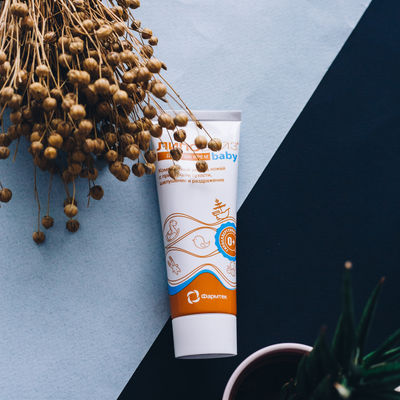
The highest-priced option in this guide.
Lansinoh Lanolin Nipple Cream
- ✓ Pure lanolin USP
- ✓ No fragrance or parabens
- ✓ Safe to leave on during breastfeeding
* We earn a small commission — at no extra cost to you.
The lowest-priced option in this guide.
Mother Sparsh Nipcare Cream
- ✓ Plant-based formula with calendula
- ✓ Fragrance-free
- ✓ No need to wipe before feeding
* We earn a small commission — at no extra cost to you.
Sirona Nipple Cream
- ✓ Lanolin and botanical extracts
- ✓ Paraben-free
- ✓ Safe during breastfeeding
* We earn a small commission — at no extra cost to you.
Momfree Lanolin Nipple Cream 30g
- ✓ Purified lanolin
- ✓ No additives
- ✓ Safe to leave on during feeding
* We earn a small commission — at no extra cost to you.
Daily baby tips, exclusive Amazon deals & real parent advice — free forever.
Top Nipple Creams for Breastfeeding in India 2026
Mother Sparsh Nipcare, Sirona Nipple Cream, and Lansinoh Lanolin are the most commonly recommended brands available on Amazon.in. Each is formulated to stay on during feeding, contains no fragrance or parabens on their standard labels, and uses different base ingredients. Mother Sparsh emphasizes plant-based formulas, Sirona offers both lanolin and botanical variants, and Lansinoh is a global brand trusted by lactation consultants in India and abroad. No prescription is needed for any of these; all are available as over-the-counter products on Amazon.in.
The "Safe to Leave On" Test: How to Know for Sure
Before committing to a full-size purchase, use this quick check: open the Amazon product page or the package and search for the phrase "leave on," "during feeding," or "no need to wipe." If you find it, the cream is designed to stay on. If you only find "wipe" or "remove before feeding," it's not meant for active breastfeeding, even if the brand also sells baby products. When in doubt, ask the seller via Amazon's Q&A section or contact your lactation consultant with the ingredient list—most will give you a quick yes or no based on your baby's skin sensitivity and your preferences.
📚 Sources
The guidance in this article draws on the sources below. It is general information, not medical advice: for any concern about your child's health, talk to your paediatrician.
- Indian Academy of Pediatrics (IAP) - Infant Feeding Guidelines — Supports guidance on breastfeeding continuation and management of lactation-related discomfort.
- WHO - Infant and Young Child Feeding — Endorses breastfeeding continuation and evidence-based pain management approaches.
- BIS (Bureau of Indian Standards) - Cosmetics Standards — Defines safety standards for cosmetic and personal care products sold in India, including ingredient limits.
Last updated 28 Nov 2026
Frequently Asked Questions
Can you use nipple cream when breastfeeding?
What is the best cream for cracked nipples in India?
How to apply nipple cream correctly?
How can I treat a cracked nipple while breastfeeding?
Which ingredients in nipple cream should I avoid?
Is lanolin safe for breastfeeding babies?
Daily baby tips, exclusive Amazon deals & real parent advice — free forever.