
Diaper Buying Guide for First-Time Parents India 2026: 5 Costly Mistakes & How to Avoid Them
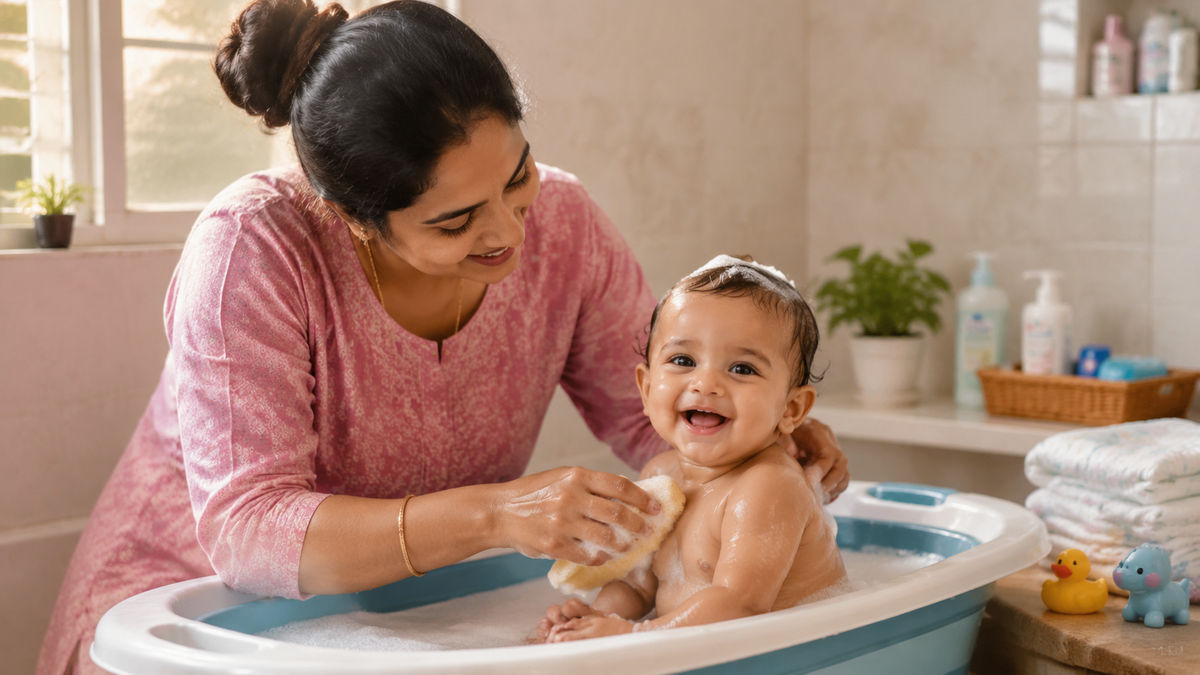
Most first-time parents overbuy newborn-size diapers and commit to brands without testing fit first. Start with sample packs from 3 brands, test the thigh-gap fit, calculate ₹2,800–4,200 monthly spend, and upgrade sizes every 2–3 months as your baby grows. This saves money and prevents diaper rash.
⚡ In a hurry? Our quick picks

The diaper aisle isn't just about picking a brand—it's about avoiding the five mistakes I see new parents make repeatedly. I'm talking about the newborn boxes stacked in corners because babies grew out of them in six weeks, the brand loyalty that started with a hospital sample, and the ₹15,000 bulk buy of a product that gave their baby a rash. If you're preparing for your first baby or you're three weeks in and already wondering if you've made expensive wrong choices, this is the reality check you need.
🏆 Quick comparison: our top picks
| Product | Award | Price | |
|---|---|---|---|
 Mamy Poko Extra Absorb Medium (M) - 44 Count Pack |
👑 Premium Pick | ₹1,564 | Check price → |
 MamyPoko Standard Small (S) - 38 Count Pack |
🪙 Budget Pick | ₹542 | Check price → |
 Pampers Swaddlers Small (S) - 40 Count Pack |
₹638 | Check price → | |
 Pampers Swaddlers Overnights Medium (M) - 22 Count Pack |
₹1,564 | Check price → | |
 Himalaya Total Care Pants Medium (M) - 48 Count Pack |
₹960 | Check price → |
🛒 Our Top Picks
The highest-priced option in this guide.
Mamy Poko Extra Absorb Medium (M) - 44 Count Pack
- ✓ Size M (7–12 kg)
- ✓ 44 pants per pack
- ✓ Breathable material
* We earn a small commission — at no extra cost to you.

The lowest-priced option in this guide.
MamyPoko Standard Small (S) - 38 Count Pack
- ✓ Size S (4–8 kg)
- ✓ 38 diapers per pack
- ✓ Soft material
* We earn a small commission — at no extra cost to you.

Pampers Swaddlers Small (S) - 40 Count Pack
- ✓ Size S (4–8 kg)
- ✓ 40 diapers per pack
- ✓ Dual leak-lock system
* We earn a small commission — at no extra cost to you.

Pampers Swaddlers Overnights Medium (M) - 22 Count Pack
- ✓ Size M (7–12 kg)
- ✓ 22 overnights per pack
- ✓ Swaddlers Overnights technology
* We earn a small commission — at no extra cost to you.
Himalaya Total Care Pants Medium (M) - 48 Count Pack
- ✓ Size M (7–12 kg)
- ✓ 48 diapers per pack
- ✓ Herbal extracts (neem, turmeric)
* We earn a small commission — at no extra cost to you.
Daily baby tips, exclusive Amazon deals & real parent advice — free forever.
The Five Mistakes First-Time Parents Make (And How to Dodge Each One)
Before you buy anything, here's what happens in the real world. I've spoken to parents across Delhi, Mumbai, Bangalore, and Pune, and five patterns keep repeating. Learning these now means you skip the waste and the guilt.
- Mistake 1: Bulk-buying newborn size before the baby arrives. Why this matters: Newborns stay in size NB for 4–6 weeks only. Buying two or three large boxes means 200+ diapers your baby never wears. Spend that ₹3,000–4,000 on sizes S and M instead, which your baby will actually use for months.
- Mistake 2: Brand loyalty based on a single free sample. Why this matters: Hospitals hand out samples. That doesn't mean it fits your baby's skin or body shape. Every baby's sensitivity and thigh fit is different. Testing three brands with small packs first costs ₹400–600 and prevents rash weeks later.
- Mistake 3: Ignoring the thigh-gap fit. Why this matters: A diaper that doesn't seal at the thighs leaks within hours, no matter the absorbency. Poor fit causes nappy rash faster than any ingredient will. Check the gather height (the elastic ruffle) against your baby's thigh circumference before committing to bulk packs.
- Mistake 4: Buying the same brand for day and overnight use without checking absorbency claims. Why this matters: Day diapers (6–8 hours) and overnight diapers (10–12 hours) have different gel-polymer ratios. Using a day diaper at night leads to leaks, laundry at 2 a.m., and frustration. Check the packaging for explicit "overnight" or "night" claims.
- Mistake 5: Bulk-buying without space to store it. Why this matters: A three-month bulk buy of medium diapers takes up a 3×2 ft corner or a shelf you don't have. Moisture, heat, and pest risk all increase with storage time. Buy for 4 weeks at a time unless you have a dedicated, dry storage area.
How Many Diapers Does a Newborn Actually Need Per Day?
Newborns (0–3 months) use 8–12 diapers daily on average. That's 240–360 per month. The number drops to 6–10 by month 4–6 (180–300 per month) as pooping frequency decreases, and stabilizes at 5–8 once solids start (150–240 per month). The wide range depends on your baby's digestion, feeding schedule, and how often you change after pee alone. If your baby goes 3 hours between feeds, plan for more changes.
One pack of 40 diapers lasts 3–5 days for a newborn, depending on brand absorbency and your baby's output. A month's supply for a newborn = 240–360 diapers = 6–9 packs of 40-count boxes.
The Real Monthly Budget: ₹2,800–4,200 (Not a Guess)
Let's do the math honestly. On Amazon.in in October 2026, here's what you actually spend:
| Brand / Type | Price Per Diaper (₹) | Monthly Use (320 diapers) | Estimated Monthly Cost (₹) |
|---|---|---|---|
| Pampers Swaddlers (S/M) | 7.50–8.50 | 320 | 2,400–2,720 |
| Mamy Poko Extra Absorb (M) | 5.50–6.50 | 320 | 1,760–2,080 |
| Pampers Swaddlers Overnights (M) | 9.00–10.00 | 250 (overnight only) | 2,250–2,500 |
| Himalaya Total Care Pants (M) | 4.50–5.50 | 320 | 1,440–1,760 |
| Pampers + Mamy Poko mix (day + night) | 6.50–7.50 | 320 | 2,080–2,400 |
The ₹2,800–4,200 range assumes: newborn progresses to size S by week 3, then size M by week 8; you mix day and overnight diapers once your baby sleeps longer; and you're buying online at discounted rates, not retail. Retail adds 15–25%. Using cloth diapers part-time (daytime only) after month 3 can bring costs down to ₹1,500–2,000 monthly.
How to Test 3 Brands Before Committing
Sample testing costs ₹400–700 and answers every question your baby's body will ask. Here's how to structure it:
- Week 1: Brand A (24–48 hours). Buy one small pack (10–12 count). Observe rash, leaks, redness at the thigh gaps, and how quickly the outer layer feels wet. Note diaper change frequency.
- Week 2: Brand B (24–48 hours). Repeat the observation. Compare comfort, fit, and rash risk to Brand A. Babies' skin can take 48 hours to show sensitivity, so this window matters.
- Week 3: Brand C (24–48 hours). Repeat. By now you have three data points.
- Decision rule: Pick the brand that caused zero rash, had the tightest thigh fit (no gapping), and lasted longest between changes during the day. Ignore price in week 3—fit is the priority. You'll optimize price once size stabilizes at M or L.
Brands to sample on Amazon.in: Pampers Swaddlers, Mamy Poko Extra Absorb, Himalaya Total Care Pants, MamyPoko Standard, and Huggies Little Snugglers (if available in your tier-2/3 city).
Size Upgrade Timeline: When to Move Up
Don't wait for leaks to tell you it's time. Upgrade based on the weight guideline on each pack:
- Newborn (NB): Up to 5 kg. Typical window: birth to 4–6 weeks. One pack often lasts longer than you'd think because you're not changing as much once feeding settles.
- Small (S): 4–8 kg. Most babies hit this by week 3–4. You'll buy 2–3 packs here before moving to Medium.
- Medium (M): 7–12 kg. The longest-used size, spanning months 2–8. Most of your spend happens here.
- Large (L): 11–16 kg. Typically month 9 onward, but depends on your baby's growth curve.
Check your baby's weight every 2 weeks during the first 3 months. Pediatricians do this at routine visits. Once you know the growth rate, you can predict when the next size upgrade is needed and buy accordingly—no overbuy anxiety.
Overnight vs. Day Diapers: What's Actually Different
Day diapers prioritize breathability and wetness indication; overnight diapers prioritize absorbency. The difference is real. Overnight diapers use higher SAP (sodium polyacrylate) gel concentrations and thicker padding, which keep urine away from skin for 10–12 hours but reduce airflow. Pampers Swaddlers Overnights, for example, are visibly bulkier than the standard Swaddlers.
Start using overnight diapers once your baby is sleeping 6+ consecutive hours at night (typically month 2–3). Before that, a day diaper changed at the 2–3 a.m. feed is fine. Buying overnight diapers for daytime use is wasteful; buying day diapers for night use causes leaks and sleep disruption. Check the label explicitly—brands don't always distinguish clearly.
When Does Cloth Become Viable?
Cloth diaper costs drop significantly once your baby is exclusively on solid foods and pooping 1–2 times daily instead of 8–10. That's typically month 5 onward. Before month 5, the washing load and poop frequency make it impractical for most working parents. However, cloth for daytime use during month 3–4 (when you're home or with a caregiver) can reduce disposable spend by 30–40% if you have 8–10 cloth diapers and wash every 2 days.
Budget-conscious parents in Mumbai, Bangalore, and Delhi often combine: disposables for overnight and outings, cloth during the day at home from month 3 onward. This cuts total monthly spend to ₹1,500–2,500 by month 6.
Storage Space Planning: The Unglamorous Reality
One 40-count pack of medium diapers is roughly 20×12×10 cm (about the size of a shoe box). A month's supply of 8–9 packs stacks to a 60×40 cm footprint at home, requiring a dry space away from direct sunlight and moisture. Check your nursery corner, hallway cupboard, or under-bed storage before bulk-buying. Diapers stored in humid bathrooms or near windows degrade faster and can harbor mold after 8–12 weeks.
What IAP and WHO Guidance Says
The Indian Academy of Pediatrics (IAP) recommends exclusive breastfeeding for the first six months and does not prescribe specific diaper brands; the organization's guidance focuses on diaper changes every 2–3 hours to prevent nappy rash. The WHO notes that frequent diaper changes and keeping the nappy area clean and dry are the primary prevention strategies for diaper dermatitis in infants under 12 months.
When to See a Doctor
Contact your pediatrician if your baby develops severe rash (blistering, bleeding, or pus), persistent redness lasting more than 72 hours despite brand changes, fever alongside a rash, or signs of skin infection. This is general information, not medical advice.
📚 Sources
The guidance in this article draws on the sources below. It is general information, not medical advice: for any concern about your child's health, talk to your paediatrician.
- Indian Academy of Pediatrics (IAP) - Neonatal Care Guidelines — Guidance on diaper change frequency and nappy rash prevention in newborns
- WHO - Newborn Care and Hygiene Practices — Recommendations on keeping infants clean and dry to prevent dermatitis
Last updated 03 Nov 2026
Frequently Asked Questions
How many newborn-size diapers should I buy before the baby arrives?
What does 'thigh-gap fit' mean and why does it matter?
Can I use the same diaper brand for day and night from the start?
How do I know when my baby is ready to move up a diaper size?
Is it cheaper to buy one bulk pack or multiple smaller packs?
When can I start using cloth diapers to save money?
Daily baby tips, exclusive Amazon deals & real parent advice — free forever.