
Do Diapers Delay Potty Training? What Paediatricians and Research Actually Say
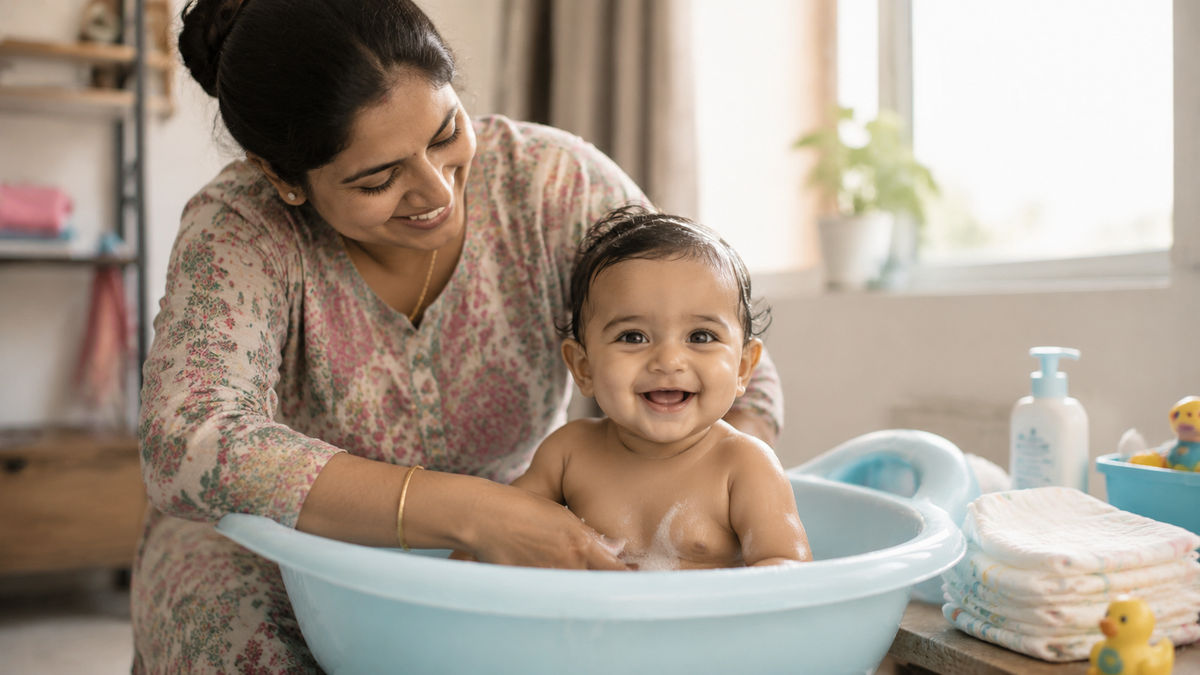
No — diapers do not delay potty training. Readiness depends on developmental maturity (18–30 months), not whether a child wears diapers or cloth nappies. The Indian Academy of Pediatrics emphasises readiness signs over age or nappy type. A structured bridge using training pants and a potty chair (Rs. 400–800) works faster than waiting or forcing early training.
⚡ In a hurry? Our quick picks
Every Indian parent hears it: "Beta, stop using diapers or your child will never learn to use the toilet." Your mother-in-law, the neighbour, even well-meaning relatives — they're convinced disposable nappies are the enemy of toilet training. But here's what actually matters: this belief, however deeply held, doesn't match what paediatricians or research shows us.
🏆 Quick comparison: our top picks
| Product | Award | Price | |
|---|---|---|---|
 Pampers Swaddlers Size 4 Diaper Pants |
👑 Premium Pick | ₹999 | See alternatives → |
 Chicco Potty Seat Reducer with Handles |
🪙 Budget Pick | ₹452 | Check price → |
 Superbottoms UNO Reusable Training Pants |
₹737 | Check price → | |
 Babycare Potty Training Chair with Removable Bowl |
₹759 | Check price → | |
 Huggies Little Snugglers Size 4 Diapers |
₹499 | See alternatives → |
🛒 Our Top Picks


The highest-priced option in this guide.
Pampers Swaddlers Size 4 Diaper Pants
- ✓ Size 4 for 9–14 kg babies
- ✓ Wetness indicator
- ✓ Soft waistband and leg cuffs
* We earn a small commission — at no extra cost to you.
The lowest-priced option in this guide.
Chicco Potty Seat Reducer with Handles
- ✓ Fits standard toilet seats
- ✓ Cushioned, non-slip surface
- ✓ Foldable for storage and travel
* We earn a small commission — at no extra cost to you.
Superbottoms UNO Reusable Training Pants
- ✓ Pack of 5 reusable cloth training pants
- ✓ Waterproof backing, washable
- ✓ For toddlers 18–36 months
* We earn a small commission — at no extra cost to you.

Babycare Potty Training Chair with Removable Bowl
- ✓ Lightweight plastic potty chair
- ✓ Removable, washable bowl
- ✓ Backrest and handles for stability
* We earn a small commission — at no extra cost to you.
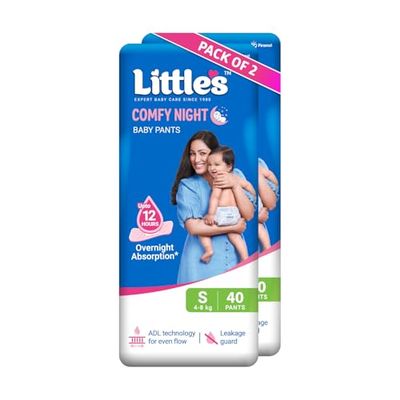
Huggies Little Snugglers Size 4 Diapers
- ✓ Size 4 for 9–14 kg
- ✓ Snug fit waistband
- ✓ Dermatologically tested
* We earn a small commission — at no extra cost to you.
Daily baby tips, exclusive Amazon deals & real parent advice — free forever.
The question do diapers delay potty training comes up in paediatric clinics across Delhi, Mumbai, and Bengaluru every week. And the short answer is no. What delays training is a child who isn't developmentally ready, not the type of nappy they wear. The confusion usually stems from an older generation's experience with cloth nappies, where discomfort acted as a natural prompt — but discomfort alone doesn't build bladder control or the emotional readiness that training actually requires.
This article breaks down what the evidence really shows, when your child is actually ready to start (not when your grandmother thinks they should be), and a practical month-by-month plan that works whether you use disposables, cloth, or a mix. We've also included a checklist for spotting readiness signs and the most helpful training pants and potty chairs available on Amazon.in in the Rs. 400–800 range.
What the Evidence Actually Shows About Diapers and Toilet Training
The belief that diapers delay training rests on a single idea: that wearing diapers prevents a child from sensing when they need to go, so they never develop the awareness to use a toilet. But readiness for toilet training is not about awareness alone — it's a combination of physical development, emotional readiness, and motivation. A child in diapers can and does sense the urge to urinate or have a bowel movement; they simply have no reason yet to act on it differently.
Developmental readiness: the ability to recognise and respond to the urge to toilet, hold the urge briefly, communicate the need, and cooperate with the process — typically emerges between 18 and 30 months, regardless of nappy type. Research comparing cloth-nappy use to disposable use shows no significant difference in the age at which children achieve full toilet training. What matters is that a child's nervous system, sphincter muscles, and communication skills have matured enough to work together.
The Indian Academy of Pediatrics (IAP) does not recommend diapers as a barrier to training, nor does it recommend starting training before a child shows readiness signs. Instead, IAP guidance focuses on readiness indicators: staying dry for at least two hours, showing interest in the toilet or others using it, communicating the need to go, and demonstrating the ability to follow simple instructions. These signs typically appear between 18 months and 3 years; they are the signal to begin, not the child's age or the type of nappy they wear.
How to Spot Real Readiness Signs (18–30 Months)
Before you buy a potty chair or training pants, check whether your child actually shows these markers. Pushing training too early leads to accidents, regression, and frustration — for both child and parent. Waiting for genuine readiness, even if your child is older, almost always results in faster success.
Physical readiness signs: Your child stays dry during the day for two or more hours. They can sit upright on a chair without support. They can walk, run, and climb stairs. These suggest the muscles and coordination needed for toilet use are developing.
Emotional and communication readiness: Your child shows interest in the toilet or in watching others use it — even if that interest is curiosity or mimicry. They can follow a two-step instruction (e.g., "Put your toy in the box, then come here"). They communicate their needs by pointing, talking, or gesturing — even if speech isn't yet clear. They show pride in accomplishments and discomfort with being dirty or wet (e.g., wanting a nappy change immediately).
Behavioural readiness: Your child can sit still for a few minutes. They show interest in wearing "big kid" clothes or acting grown-up. They may hide or squat when they need to pass stool — a sign they are aware of the sensation and responding to it, even if not yet in the right place.
If your child shows fewer than three of these signs, training is likely to be a longer, more frustrating process. Waiting another month or two often means better success when you do start.
Training Pants and Potty Chairs: The Bridge Approach (Rs. 400–800)
Once readiness signs appear, the bridge between diapers and full toilet independence usually happens fastest with two tools: training pants and a child-sized potty chair. Training pants sit between nappies and underwear — they feel more like regular pants but absorb accidents, which reduces the shame or fear some children feel when starting.
Potty chairs under Rs. 800: A small, child-sized potty chair (not a toilet seat reducer alone) gives your child independence — they can sit without needing you to lift them — and it feels less intimidating than a full-sized toilet. Models available on Amazon.in in this range include basic plastic chairs with removable bowls (easy to clean), some with built-in splash guards, and a few with handles for stability. The best choice is whichever your child finds comfortable and will actually sit on without fear. Let them choose the colour or character if possible; ownership drives engagement.
Training pants on Amazon.in: Brands like Pampers Swaddlers Size 4-5 and Huggies Little Snugglers offer training-weight options starting around Rs. 350–500 per pack. Reusable training pants (cloth with waterproof backing) from brands like Superbottoms cost Rs. 800–1500 per pack of five and can be washed and reused, making them cost-effective over months. Both work; the choice depends on your preference for disposable convenience versus environmental cost and laundry time.
Month-by-Month Bridge Plan: From Diapers to Toilet Independence
Month 1 (Preparation): Introduce the potty chair in the bathroom with no pressure. Let your child sit on it clothed, or just explore it. Read toilet-themed picture books together. Talk about what the potty is for in simple language. No training yet — just familiarity and normalisation.
Month 2 (Observation): Switch to training pants during the day (keep nappies at night). Let your child see family members using the toilet. Sit together on the potty chair at predictable times (after meals, before bed, mid-morning) for two to five minutes — no expectation of success, just routine. Celebrate any success with calm praise, not excessive excitement, which can create pressure.
Month 3 (Active training): Continue daytime training pants. Offer the potty chair every two hours and after meals. When your child has an accident in training pants, acknowledge it matter-of-factly ("Your body is still learning") and help them clean up. Avoid shame or punishment. Dry days will increase gradually — this is not linear, and regression is normal.
Month 4+ (Consolidation): Transition to cloth underwear during the day once your child stays dry on most days. Keep training pants for outings and nights if needed. Nighttime dryness typically comes later (ages 3–5) and should not be rushed; it's a physiological maturity milestone, not a behavioural one.
Why Children Regress — And It's Not Because of Diapers
Many parents report that their child was doing well, then suddenly started having accidents again. This regression is frustrating but normal and almost never caused by wearing diapers. Common triggers include a new sibling, moving house, starting daycare, illness, or stress in the family. Regression is the child's way of seeking comfort or reassurance during change — not a sign that training should stop or that diapers caused the regression.
If regression happens, return to training pants without judgment, maintain routine and calm, and try again after the stressor has settled. Punishing or shaming a regressing child often makes the process slower, not faster.
Cost Savings: When Stopping Diapers Actually Saves Money
The argument that diapers are expensive is real — a family using premium disposables might spend Rs. 2,000–3,000 per month from birth to age 3. Once a child is trained (usually by age 2.5–3.5), that cost disappears. However, the claim that stopping diapers early saves money assumes training will be fast, which often isn't true if forced before readiness. Accidents in cloth, carpet, or clothing lead to laundry, cleaning, and replacement costs. The most cost-effective approach is usually: use good-quality diapers or reusable training pants during the training window (typically 3–6 months of active training), then stop once the child is consistently dry. This balances comfort, speed, and cost.
What IAP and WHO Guidance Says
Paediatric Guidance on Toilet Training Readiness
The Indian Academy of Pediatrics recommends starting toilet training only when a child shows readiness signs, typically between 18 months and 3 years — not at a fixed age. WHO guidance similarly emphasises that toilet training is most successful when child-led and tied to developmental readiness, not parental convenience or family tradition. Neither organisation recommends cloth nappies as superior to disposables for training outcomes, nor do they recommend forcing training before readiness emerges.
When to See a Doctor
Toilet training difficulties are common and usually resolve with patience. However, see a paediatrician if your child is older than 4 years and still not dry during the day; if they have pain or fear around toileting that doesn't resolve with time and reassurance; if they regress significantly after being trained for months; or if they show signs of constipation or withholding stool (refusing to go, holding their bottom, or painful bowel movements). These may indicate medical issues like Hirschsprung disease or functional constipation, which require professional evaluation. This is general information, not medical advice.
📚 Sources
The guidance in this article draws on the sources below. It is general information, not medical advice: for any concern about your child's health, talk to your paediatrician.
- Indian Academy of Pediatrics - Guidelines on Child Development and Readiness — Supports readiness-based toilet training approach, age 18–30 months, developmental markers
- WHO - Early Childhood Development — Supports child-led, readiness-based training; no emphasis on nappy type
Last updated 10 Nov 2026
Frequently Asked Questions
What is the hardest age to potty train?
Is age 3 too late to potty train?
Can you potty train while still in diapers?
What is the 10-10-10 rule for potty training?
Does using cloth nappies help potty train faster than disposables?
How much do potty chairs and training pants cost in India?
Daily baby tips, exclusive Amazon deals & real parent advice — free forever.