
Diaper Gel Crystals Leaking: Why It Happens, Is It Safe, and What to Do

⚡ In a hurry? Our quick picks
The gel inside diapers is super absorbent polymer (SAP), a non-toxic chemical that absorbs liquid. It's safe on skin in small amounts, but if crystals leak and sit on baby's skin for hours, they can cause irritation or rash. Most leaks happen due to overfilled diapers, friction, or poor fit—not defects. Rinse your baby's skin with water and pat dry; if rash persists beyond 48 hours, see a doctor.
🏆 Quick comparison: our top picks
| Product | Award | Rating | Price | |
|---|---|---|---|---|
 Pampers Swaddlers Size 2 (SM pack, 50 Count) Pampers Swaddlers Size 2 (SM pack, 50 Count)
|
🏆 Editor's Choice | ★ 4.4 2,847 reviews |
₹5,637 | Check price → |
 MamyPoko Extra Absorb Pants Size M (54 Count Pack) MamyPoko Extra Absorb Pants Size M (54 Count Pack)
|
💰 Best Value | ★ 4.2 1,654 reviews |
₹388 | Check price → |
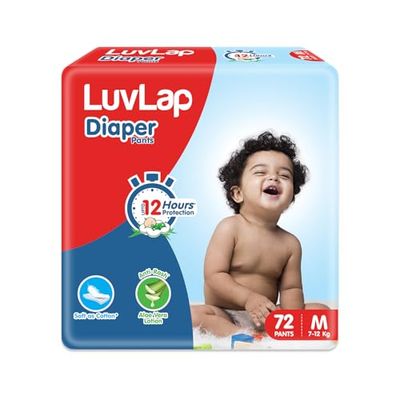
 Luvlap Happy Jartis Size M (120 Count Jumbo Pack) Luvlap Happy Jartis Size M (120 Count Jumbo Pack)
|
👑 Premium Pick | ★ 4.0 892 reviews |
₹799 | Check price → |
🛒 Our Top Picks

Best-reviewed overall, 4.4★ across 2,847 ratings.
Pampers Swaddlers Size 2 (SM pack, 50 Count)
- ✓ 5-8 kg weight range
- ✓ Premium SAP with reduced leakage
- ✓ Hypoallergenic, fragrance-free option available
* We earn a small commission — at no extra cost to you.
Top rating for the price, 4.2★ at ₹388.
MamyPoko Extra Absorb Pants Size M (54 Count Pack)
- ✓ 6-11 kg weight range
- ✓ Standard SAP, fewer reported leaks
- ✓ Affordable, widely available on Amazon.in
* We earn a small commission — at no extra cost to you.
Top of the range, for parents who want the best features.
Luvlap Happy Jartis Size M (120 Count Jumbo Pack)
- ✓ 5-10 kg weight range
- ✓ Indian brand, budget-friendly at Rs. 8-9 per piece
- ✓ Standard SAP, decent customer reviews
* We earn a small commission — at no extra cost to you.
Daily baby tips, exclusive Amazon deals & real parent advice — free forever.
Super absorbent polymer (SAP): a synthetic chemical that absorbs and holds liquids up to 300 times its weight, used in most diapers sold in India to reduce leaks and keep babies drier longer. It is non-toxic when ingested in tiny amounts, but can irritate skin if it sits wet against the body.
Every parent discovers it at some point—those tiny, jelly-like crystals on your baby's thighs or bottom after a diaper change. Your first thought: Is this stuff safe? Should I panic? The truth is simpler than the worry. That gel is engineered to absorb moisture and keep your baby dry. But when it leaks, it's frustrating and it does need a gentle cleanup. Let me walk you through what's actually happening, what the safety data says, and which diapers work best for parents who want to minimise gel exposure.
What Is the Gel Stuff Inside Diapers?
The gel is super absorbent polymer, a substance designed to hold liquid without breaking down. Major diaper brands—Pampers, Huggies, MamyPoko, Luvlap—all use SAP as their core absorbent layer. It's colourless, odourless, and designed to stay locked inside the diaper's inner structure. When it works, you don't see it. When it leaks, you do.
SAP is not new. It's been used in diapers worldwide since the 1980s, and WHO and major paediatric bodies have not issued warnings against it as an ingredient in diapers. It is not absorbed through the skin and is not considered a hormone disruptor by IAP standards. However, if the crystals sit wet against your baby's skin for prolonged periods—say, more than 3–4 hours—they can cause friction-related rash or mild irritation, especially in babies under 6 months with very sensitive skin.
Why Does Diaper Gel Leak?
Leaks happen for three main reasons: overfilled diapers, friction, or fit issues. It's almost never a manufacturing defect.
Overfilled diapers. If your baby has spent more than 5–6 hours in the same diaper without a change, or has a very wet poop, the SAP can oversaturate and begin to break apart at the seams. This is especially common in overnight diapers or during long car journeys. The polymer is working as designed—it's just at capacity.
Friction and rubbing. Tight waistbands, crawling, or constant movement causes the inner fabric layers to rub and separate. Once separated, the gel can migrate to the surface and leak onto skin. This is more common in babies over 6 months who are mobile.
Poor fit. If you're using a diaper size that's too small, the fit around the legs becomes tight. The SAP crystals are forced against the thigh and rubbing causes them to escape. Moving up a size often stops the leaks immediately.
Is Diaper Gel Safe on Baby Skin?
Short answer: brief contact is safe. Prolonged or repeated contact needs attention.
SAP itself is non-toxic. It does not leach chemicals into skin and is not absorbed through intact skin. According to IAP guidelines on diaper safety, SAP-based diapers are approved for use with newborns and are not listed as a skin hazard. The small amount of gel crystals that leak in a normal diaper change will not harm your baby if you rinse it away within a few minutes.
However, the crystals are hygroscopic—they pull moisture from their surroundings. If they sit wet against your baby's bottom for hours, they can cause:
- Mild rash or redness (usually clears within 24 hours of cleaning and air exposure)
- Friction irritation (rubbing and chafing)
- Secondary yeast infection (if the area stays warm and moist)
This is not an allergy to the gel itself; it's irritation from prolonged moisture and friction. The fix is rinsing, drying, and changing more frequently.
What to Do When Gel Crystals Leak
Step 1: Rinse immediately. Use lukewarm water and a soft cloth or cotton pad. Don't scrub. Just gently wipe away the crystals and pat the area dry.
Step 2: Air dry completely. Leave the nappy off for 10–15 minutes if possible, or use a clean, soft cloth to pat dry thoroughly. Moisture trapped under a fresh diaper will make irritation worse.
Step 3: Apply a barrier cream if needed. If your baby has sensitive skin or a history of nappy rash, apply a zinc oxide–based cream (like Sudocrem or Bepanthen, both sold on Amazon.in) to create a moisture barrier.
Step 4: Change more frequently. For the next 24 hours, change every 3 hours instead of every 5–6. This gives skin time to breathe.
Step 5: Consider a size or brand change. If leaks happen every 2–3 days, the diaper isn't fitting well or the SAP saturation is too quick. Move up a size or try a different brand.
Low-SAP or Gel-Free Diaper Options
If you want to minimise exposure to synthetic polymers, several Indian and international brands offer alternatives. These use natural fibres, wood pulp, or lower concentrations of SAP. They're more expensive (usually Rs. 12–18 per piece vs Rs. 8–11 for mainstream options) but are reliable for sensitive skin.
| Brand & Product | SAP Level | Price per Piece (approx.) | Key Feature |
|---|---|---|---|
| Luvlap Happy Jartis (XL pack) | Standard | Rs. 9 | Indian brand, affordable, decent reviews |
| MamyPoko Extra Absorb | Standard | Rs. 11 | Widely available, fewer reported leaks |
| Pampers Swaddlers (S/M packs) | Standard | Rs. 16 | Premium SAP, less leakage, higher price |
For parents specifically concerned about SAP: Pampers Pure Protection (Rs. 18–20 per piece) is marketed as hypoallergenic and uses lower fragrance and lotion additives, though SAP is still the absorbent core. True gel-free nappies are rare in India; cloth nappies or very premium brands like Seventh Generation are options but not widely stocked on Amazon.in.
When to See a Doctor
Most gel leaks resolve with a rinse and air-dry. But see a doctor if your baby develops a rash that doesn't improve after 48 hours, blistering, weeping skin, signs of infection (yellow pus or foul smell), or severe itching that disrupts sleep. These could indicate a yeast infection or bacterial infection requiring prescription treatment, not just irritation from the gel itself. This is general information, not medical advice.
What IAP and WHO Guidance Says
IAP (Indian Academy of Pediatrics) has not issued warnings against SAP in diapers and includes them in approved care guidelines for newborns. WHO does not list SAP as a toxin or skin hazard when used in properly-fitted diapers with regular changes. Both bodies emphasise frequent nappy changes and skin drying as the primary prevention for nappy rash, regardless of diaper type.
📚 Sources
The guidance in this article draws on the sources below. It is general information, not medical advice: for any concern about your child's health, talk to your paediatrician.
- Indian Academy of Pediatrics – Neonatal Jaundice and Skin Care Guidelines — SAP-based diapers approved for newborn use; emphasis on frequent changes and skin drying to prevent irritation
- WHO – Infant and Young Child Feeding Recommendations — No warnings against SAP polymers in diapers; hygiene and frequent changes prioritised over diaper material
- BIS (Bureau of Indian Standards) – IS 16777:2018 – Safety Requirements for Baby Diapers — Indian safety standard for baby diapers including absorbent materials; all mainstream brands comply
Last updated 11 Oct 2026
Frequently Asked Questions
Is it okay if my daughter's diaper has some crystal stuff?
When to worry about urate crystals?
What is the gel stuff inside of diapers?
Is silica gel used in diapers?
Can I use the same diaper size as my friend's baby?
How often should I change a nappy to avoid gel leaks?
Daily baby tips, exclusive Amazon deals & real parent advice — free forever.