
30-Hour Train Journey With Baby: Packing Checklist & Berth Safety Guide for Indian Parents
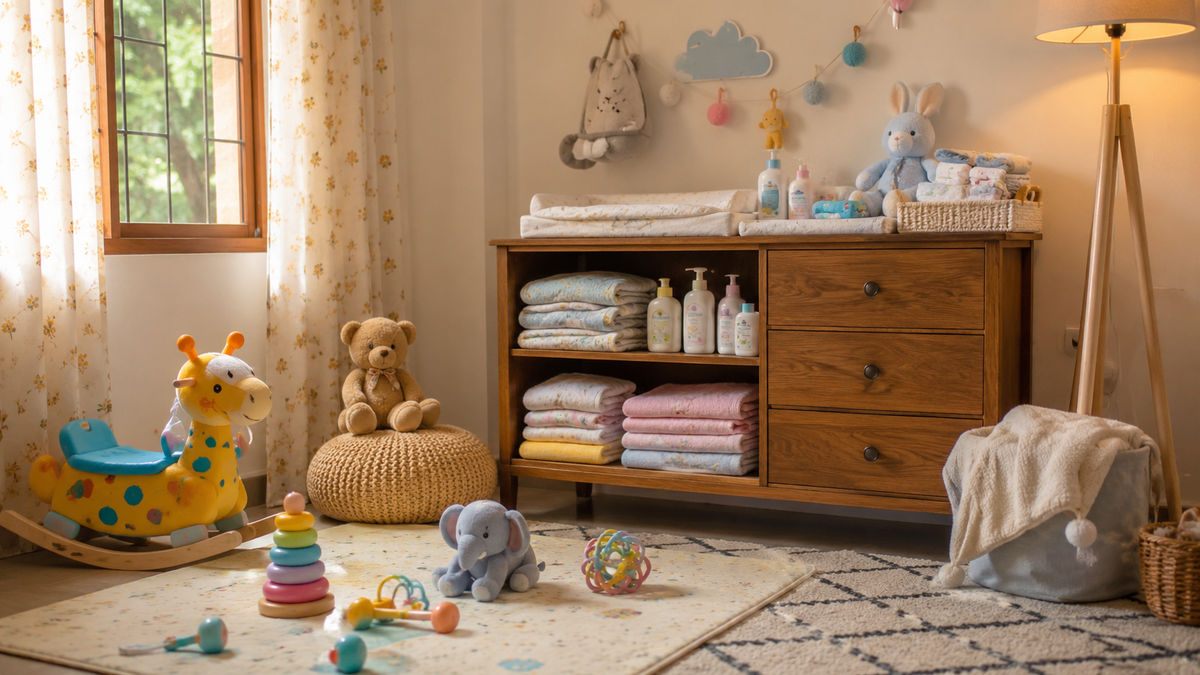
For a 30-hour train journey with a baby, pack a foldable carrier or stroller, portable sterilising wipes, a travel changing mat (₹300–500), insulated flask for warm water, mosquito netting, extra diapers, and portable hand sanitiser. Skip the luggage—most parents on long Indian rail journeys overpack by 40–50% and regret it.
⚡ In a hurry? Our quick picks
A 30-hour train journey with a baby sounds daunting, but Indian parents do this regularly—and the difference between a manageable trip and a chaotic one comes down to what you pack, not how much. On long Indian rail routes, the berth itself becomes your baby's safe space, and what happens at stations defines whether your baby stays healthy. Here's what actually works, what you'll regret, and how to set up your berth for safety.
🏆 Quick comparison: our top picks
| Product | Award | Price | |
|---|---|---|---|
 Chicco Baby Carrier Ultrasoft (Grey) |
👑 Premium Pick | ₹4,750 | Check price → |
 Pigeon Portable Sterilising Wipes Baby Care (80 Wipes) |
🪙 Budget Pick | ₹146 | Check price → |
 LuvLap Baby Stroller Pram Foldable and Compact (Black) |
₹2,598 | See alternatives → | |
 Mee Mee Portable Travel Changing Mat (Waterproof) |
₹299 | Check price → | |
 Thermos Stainless Steel Insulated Flask 1.5L (Silver) |
₹1,699 | Check price → | |
 Baby Mosquito Net Crib Cover (Foldable Mesh) |
₹749 | Check price → |
🛒 Our Top Picks

The highest-priced option in this guide.
Chicco Baby Carrier Ultrasoft (Grey)
- ✓ Structured ergonomic support for 3.5–15 kg babies
- ✓ Compact fold for travel
- ✓ Breathable fabric, suitable for long journeys
* We earn a small commission — at no extra cost to you.
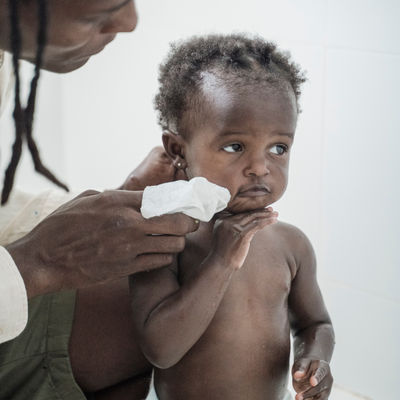
The lowest-priced option in this guide.
Pigeon Portable Sterilising Wipes Baby Care (80 Wipes)
- ✓ Fragrance-free, gentle on baby skin
- ✓ Antimicrobial formula rated for infant use
- ✓ Individually wrapped wipes for travel convenience
* We earn a small commission — at no extra cost to you.

LuvLap Baby Stroller Pram Foldable and Compact (Black)
- ✓ Folds to compact size for train travel
- ✓ Lightweight, weighs 5.5 kg
- ✓ Reversible seat (parent-facing and forward-facing)
* We earn a small commission — at no extra cost to you.
Mee Mee Portable Travel Changing Mat (Waterproof)
- ✓ Compact waterproof design, folds to pouch size
- ✓ Anti-slip surface for safety
- ✓ Easy to clean and dry
* We earn a small commission — at no extra cost to you.
Thermos Stainless Steel Insulated Flask 1.5L (Silver)
- ✓ Maintains temperature for 8+ hours
- ✓ Lightweight stainless steel construction
- ✓ Compact design fits under berth
* We earn a small commission — at no extra cost to you.

Baby Mosquito Net Crib Cover (Foldable Mesh)
- ✓ Clips securely to berth railings
- ✓ Breathable mesh prevents overheating
- ✓ Folds into compact travel pouch
* We earn a small commission — at no extra cost to you.
Daily baby tips, exclusive Amazon deals & real parent advice — free forever.
Foldable stroller or baby carrier: For moving between bogies and stations, a compact foldable stroller or structured baby carrier (not a soft wrap—trains are crowded) cuts stress. Travel changing mat: Berth surfaces on Indian trains are cleaned but not sanitised between journeys. A portable waterproof mat (₹300–500) is non-negotiable. Portable sterilising wipes: Station bathrooms and train toilets are inconsistent; wipes rated for baby skin (10 mg/mL benzalkonium chloride or similar antimicrobial) let you clean hands and the berth before feeding or diaper changes. Insulated flask: Water from train taps is often warm but unpredictable. An insulated flask (1–1.5 L) keeps drinking water or formula water at the right temperature for 6–8 hours. Mosquito-safe netting: Open windows on Indian trains attract insects, especially on night routes through rural areas. A mesh crib net or mosquito net that attaches to the berth frame prevents bites and keeps your baby's sleep unbroken. Extra diapers and wipes: Stations don't always stock your brand; carry 50% more than you'd normally use for the journey length.
What to Pack: The Realistic Checklist for a 30-Hour Train Journey
Most parents overpack by the second berth. Here's a numbered checklist of what you actually need, and why each item earns its place. Anything not on this list is likely luggage you'll shuffle around and forget by hour 18.
- Foldable stroller or structured carrier (₹3,500–7,000). Why: Stations are crowded; you need both hands free for tickets, luggage, and your baby. A foldable stroller collapses to backpack size and fits under the berth. A structured carrier (not a wrap) works better on crowded platforms where a stroller won't fit through crowds.
- Travel changing mat, waterproof and compact (₹300–600). Why: Berth surfaces are wiped but not sterilised. A waterproof mat protects your baby from direct contact with the surface and folds to the size of a small towel. Skip the large changing pad—it takes up half your berth.
- Portable sterilising wipes, fragrance-free (₹200–400 per 80-pack). Why: Train toilets are inconsistent, and station bathrooms vary wildly. Wipes rated for baby skin let you clean your hands, the berth edge, and door handles before feeding. Look for wipes that list an antimicrobial agent (such as benzalkonium chloride) on the label.
- Insulated flask, 1–1.5 L (₹800–1,500). Why: Water from train taps is often at room temperature or warm but inconsistent. Carry hot water at journey start; it stays warm for 6–8 hours. If your baby is on formula, you avoid the risk of inconsistent water quality. For breastfed babies, it's one less worry about water for your own hydration.
- Mosquito-safe mesh net or crib net (₹500–1,200). Why: Open windows on Indian trains attract mosquitoes, especially on night routes. A mosquito net that clips to the berth frame keeps insects out without trapping heat. Mosquito-borne illnesses (dengue, malaria) are seasonal but real on certain routes; netting is preventive, not just comfort.
- Extra diapers—50% more than usual (₹1,500–2,500 for 100+ diapers). Why: Stations between major cities don't always stock your brand or size. Carry enough to cover the full journey plus 24 hours of buffer. If your baby has sensitive skin, carrying your familiar brand avoids last-minute purchases of unfamiliar diapers.
- Portable hand sanitiser or antibacterial gel (₹150–300). Why: Berth railings, door handles, and armrests are touched by dozens of passengers daily. Hand sanitiser rated for babies (alcohol-free or low-alcohol) is lightweight and essential between wipes or washes.
- Lightweight snacks and milk/formula (packed for the journey). Why: Pantry car stock is unpredictable, and queues take time. Pack 2–3 meals' worth plus milk or formula sachets. Don't rely on buying food on the train—it wastes time and exposes your baby to delays if catering is slow.
- Change of clothes—3 sets for your baby, 2 for you (₹500–1,000). Why: Spills, diaper leaks, and train toilet splashes happen. Three sets (including one change of pajamas) cover accidents plus one full laundry cycle if you wash at your destination. Fewer clothes means more berth space.
- Medications and first-aid (fever strips, oral rehydration salts, nappy rash cream, any prescribed medicines). Why: Medical help on a moving train is limited. Carry what your baby might need—fever strips are more useful than a thermometer on a berth, and ORS sachets weigh almost nothing. Check with your paediatrician before the journey about what to have on hand.
Berth Safety: Setting Up Your Baby's Sleep Space on a 30-Hour Journey
The berth itself is your baby's cot for 30 hours. Standard Indian railway berths (upper and middle) have side railings, but they're designed for adults. Here's how to make it safe: Use a side-upper restraint strap (₹300–600) if your baby sleeps on an upper berth—it anchors to the railing and prevents rolling. If your baby is under 12 months, book a lower berth if possible; it's easier to attend to your baby if they wake, and you avoid the risk of a fall. Position your baby with their head toward the wall side (not the open railing side) and use a portable bed guard or rolled-up bedsheet as a barrier. The train rocks frequently; a baby in the middle of a berth can shift during sleep. Mosquito netting (mentioned above) should cover the entire berth opening, leaving the head exposed for airflow. Never prop a pillow or cushion as a barrier—it becomes a suffocation risk on a moving train. The berth surface is hard; carry a thin portable mattress or folded bedsheet for comfort and hygiene.
Station Hygiene and Platform Safety: What Parents Overlook
Stations are where most train journey infections begin. Platform toilets are the riskiest exposure; many Indian stations have squat toilets only, which are hard to manage with a baby. Use baby wipes and hand sanitiser on your baby's hands before and after platform visits. If you need to use a station toilet, carry a portable potty seat (₹400–800) or disposable toilet seat covers (₹150–200 per pack). Don't let your baby crawl on platform floors—they're touched by thousands of feet daily and rarely cleaned between trains. If your baby is teething, avoid letting them chew on berth railings or armrests; carry a sterilised teething toy instead. At major stations (Delhi, Mumbai, Kolkata, Bangalore), food vendors swarm; buy packaged snacks only, not loose food. Station water (from taps or drinking-water dispensers) is inconsistent in quality—stick to your insulated flask for your baby's water.
What Parents Regret Packing (and Why Less is More)
From dozens of parent reviews on Amazon.in and train travel forums, here's what gets lugged around and barely used: Large changing pads (use a compact travel mat instead), multiple pillows (the berth pillow works; bring only a small one for comfort), toys you think will occupy your baby for hours (babies on trains are usually entertained by the novelty and movement), bulky steriliser (wipes and hand sanitiser replace it), and heavy baby food maker (pre-make and pack in an insulated container instead). Also skip: adult-sized luggage (use a backpack for essentials), heavy stroller (it doesn't fold small enough), and more than one set of pajamas per night of the journey. The berth space is roughly 6 feet by 2 feet for two people; every unnecessary item compresses your baby's sleep space and your ability to move.
What IAP and WHO Guidance Says
Travel and hygiene: The Indian Academy of Pediatrics (IAP) recommends hand hygiene as the primary defence against travel-related infections in infants under 2 years. Carry sterilising wipes and hand sanitiser rated for baby skin. Mosquito protection: WHO identifies mosquito netting as an effective preventive measure for mosquito-borne illnesses in infants during travel in endemic regions; netting is preferred over insect repellent sprays on babies under 6 months.
Common Questions About Train Travel With a Baby
Is it safe to travel by train during pregnancy? Yes, train travel during pregnancy is generally safe according to IAP guidance; however, long journeys (over 24 hours) increase the risk of blood clots in the legs. Consult your obstetrician before booking, and move around the train every 2–3 hours. This article focuses on travel with a baby after birth, not during pregnancy.
How can I book train tickets for my child in India? Children under 5 years travel free on Indian Railways if they sit on an adult's lap (no separate berth). For a separate berth, book an adult ticket and a child ticket (half fare) after providing your child's date of birth at the booking counter or on IRCTC.co.in. A child ticket entitles you to a full berth space.
Are babies allowed on trains? Yes, babies of all ages are allowed on Indian trains. Newborns and infants are often safer on trains than in cars because the berth is a confined space and motion is gentler. There are no age restrictions for train travel in India.
This is general information, not medical advice. If your baby has a health condition or you're unsure about train travel with your specific circumstances, consult your paediatrician before booking.
📚 Sources
The guidance in this article draws on the sources below. It is general information, not medical advice: for any concern about your child's health, talk to your paediatrician.
- Indian Academy of Pediatrics (IAP) - Travel Safety and Hygiene Guidelines — Supports hand hygiene and infection prevention for infants during travel.
- WHO - Mosquito-Borne Disease Prevention in Infants — Recommends mosquito netting as primary prevention for infants under 6 months in endemic regions.
Last updated 20 Nov 2026
Frequently Asked Questions
Is it safe to travel by train during pregnancy?
How can I book train tickets for my child in India?
What things should I carry while travelling by train with a baby?
Are babies allowed on Indian trains?
How do I keep my baby safe on an upper railway berth?
What is the best gear for 30-hour train journeys with a baby?
Daily baby tips, exclusive Amazon deals & real parent advice — free forever.