
Cloth vs Disposable Diapers: Break-Even Calculator for Small Flats (No Balcony)
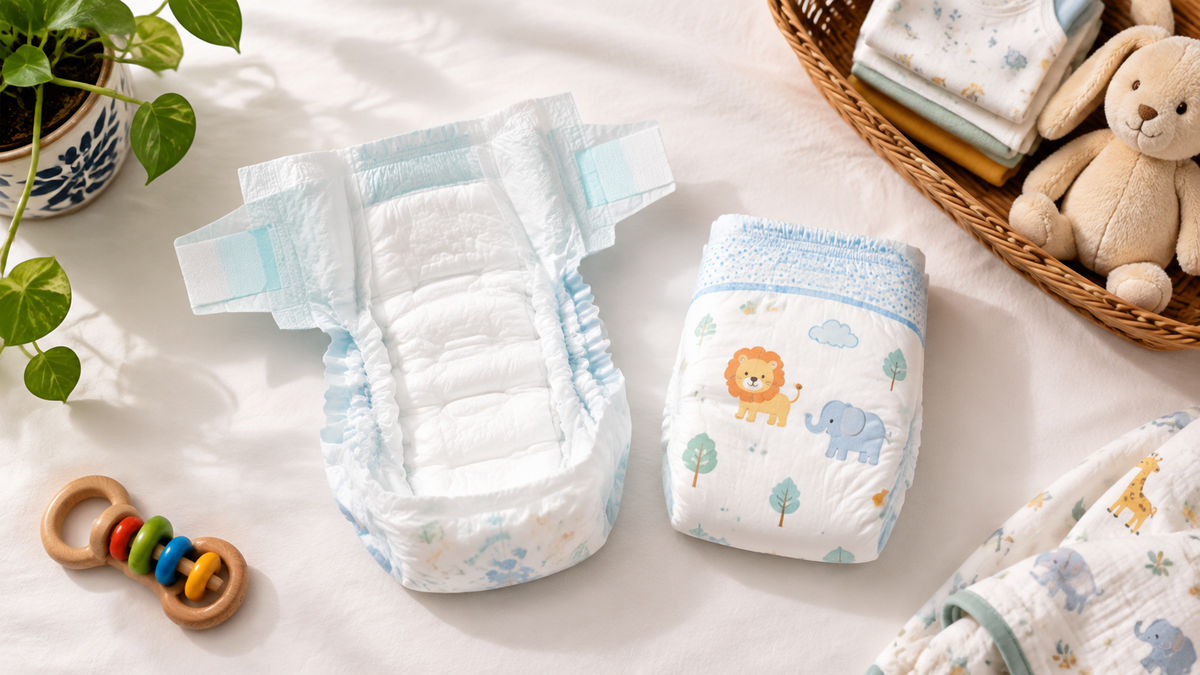
Cloth diapers are cheaper over 12 months (₹4,800–6,000 if you own 18–24 units) but require daily washing, drying space, and soft water. Disposables cost ₹8,000–11,000 yearly but suit working parents and small flats. Most parents in tight spaces use both—cloth at home, disposables on outings and at night.
⚡ In a hurry? Our quick picks


The cloth vs disposable diaper decision isn't really about which is "better." It's about which fits your flat, your schedule, and your water supply. I've seen parents in Mumbai 1BHKs make each work—and I've seen others regret rushing into one choice. This guide walks you through the actual trade-offs, with a cost table and a scoring checklist so you can decide what makes sense for your home.
🏆 Quick comparison: our top picks
| Product | Award | Price | |
|---|---|---|---|
 Superbottoms Dry Feel Langot - Cloth Diaper (Pack of 6) |
👑 Premium Pick | ₹559 | See alternatives → |
 SuperBottoms UNO Cloth Diaper - Newborn (Pack of 3) |
🪙 Budget Pick | ₹509 | Check price → |
 Pampers Pants XS - Newborn (Pack of 22) |
₹524 | Check price → |
🛒 Our Top Picks
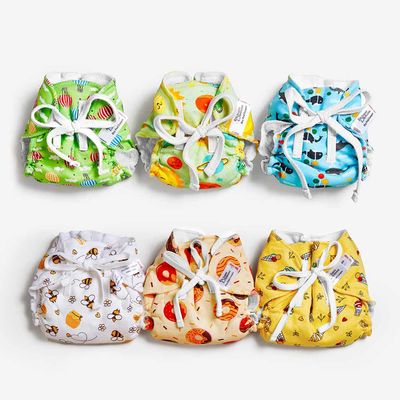

The highest-priced option in this guide.
Superbottoms Dry Feel Langot - Cloth Diaper (Pack of 6)
- ✓ Cloth nappy for 0–6 months
- ✓ Bamboo + cotton blend
- ✓ Reusable, eco-friendly
* We earn a small commission — at no extra cost to you.
The lowest-priced option in this guide.
SuperBottoms UNO Cloth Diaper - Newborn (Pack of 3)
- ✓ Cloth + insert, washable
- ✓ Fits 2–6 kg babies
- ✓ Leak guards, adjustable snaps
* We earn a small commission — at no extra cost to you.

Pampers Pants XS - Newborn (Pack of 22)
- ✓ Disposable, soft-flex waistband
- ✓ Up to 5 kg
- ✓ 12-hour dryness
* We earn a small commission — at no extra cost to you.
Daily baby tips, exclusive Amazon deals & real parent advice — free forever.
How Much Space Do You Actually Need?
Let's start with the uncomfortable truth: cloth diapers need drying space. A newborn goes through 8–12 diapers a day in the first three months, so if you own 18–24 cloth units (the standard recommendation), you're washing every 1–2 days, not once a week. That load sits wet—either on a rack, a chair, or hanging line—for 6–8 hours minimum. In a 1BHK with one small balcony or a window, that's real friction.
Disposables take up shelf space instead: roughly 6–8 inches per month's supply in a cupboard. Easy to store, but constant refilling. The space question isn't theoretical—it's the one reason most parents in tight flats eventually abandon cloth, even if they start with good intentions.
Water Supply and Hardness: The Hidden Blocker
Hard water is cloth diapers' worst enemy. If your building's supply is hard (common in Delhi, Bengaluru, and parts of Mumbai), cloth retains detergent residue, stays stiff after washing, and develops odour faster. You'll spend more on softeners or extra rinse cycles—money you didn't budget for. RO water systems waste 3–4 litres per litre produced, so using RO for diaper washing feels wasteful to many parents.
Disposables don't care about water quality. That alone is why many parents in high-hardness zones pick disposables, even if cloth is theoretically cheaper.
The 12-Month Cost Breakdown
Cloth Diapers (SuperBottoms or equivalent): ₹400 per unit, 18–24 units needed. Initial outlay: ₹7,200–9,600. Add 2–3 replacement units per year (₹800–1,200), detergent (₹600–800/year), water and power for washing (₹400–600/year). Annual total: ₹9,000–12,200 (first year); ₹1,800–2,800 year 2+.
Disposables (mainstream brands): ₹7–9 per diaper, 8–10 per day average. Monthly cost: ₹1,680–2,700. Annual cost: ₹20,160–32,400.
On paper, cloth wins by year 2. But that assumes no breakdowns, no extra washing loads due to leaks or staining, and no cost of your labour (even if you're not paying someone else to wash).
| Scenario | Cloth (Year 1) | Cloth (Year 2+) | Disposables (Annual) |
|---|---|---|---|
| Initial + recurring costs | ₹9,000–12,200 | ₹1,800–2,800 | ₹20,160–32,400 |
| Savings vs disposables (Year 1) | ₹8,160–23,400 less | — | Baseline |
| Savings vs disposables (Year 2) | — | ₹17,360–30,600 less | Baseline |
The Washing Reality Check: Does Your Schedule Allow It?
Cloth diapers don't wash themselves. With a newborn, you're looking at a 45-minute to 1.5-hour load every 1–2 days. If you have house help, that's simpler. If you work full-time outside the home, cloth becomes an evening or weekend squeeze. If you're on a 12-hour shift and your spouse is too, cloth diapers sit in a bucket, develop ammonia smell, and become a source of friction—not savings.
The honest version: working parents almost always end up with a hybrid. Cloth at home during low-stress hours, disposables for office days, travel, and nights.
Why Most 1BHK Parents Go Hybrid
A hybrid approach solves the real-world friction. Use cloth diapers during weekends, evenings at home, and when you have time to dry them properly. Use disposables on working days, after-care drop-offs, and overnight. This cuts your disposable spend to ₹6,000–10,000/year and keeps your cloth investment working without turning it into a chore you dread.
Cost of hybrid (approximate): ₹10,000–14,000/year. Space needed: one small rack or corner chair, one cupboard shelf. Time required: 2–3 wash loads per week, not every day. Sanity factor: significantly higher.
Your Decision Scorecard
Score each statement below: 1 = Not true, 2 = Somewhat, 3 = Very true. Add up your total.
- Space: "I have a balcony, open window, or unused corner where diapers can dry 6–8 hours daily." ___
- Water: "My water supply is soft, or I'm willing to use/buy soft water for diaper washing." ___
- Time: "I can handle a 45-minute wash load every 1–2 days without stress." ___
- Help: "I have house help, a partner, or family member who can share washing duty." ___
- Storage: "I have 18–24 cloth units or don't mind buying a few at a time." ___
- Budget: "I'm happy to spend ₹9,000–12,000 upfront for long-term savings." ___
15–18: Go cloth-first, hybrid as backup. You have the conditions.
10–14: Go hybrid from the start. Best of both worlds.
6–9: Go disposables. Cloth will become a guilt-trip, not a win.
What IAP and WHO Guidance Says
- Diaper change frequency: The Indian Academy of Pediatrics recommends changing diapers every 2–4 hours or when visibly soiled, to prevent nappy rash. Both cloth and disposables meet this need if changed on schedule.
- Skin health: WHO notes that diaper-area skin in infants is sensitive; frequent changes, moisture control, and airflow matter more than the diaper type itself. Some babies do better with cloth due to breathability; others need disposables to manage moisture.
When to See a Doctor
If your baby develops severe nappy rash (red, raw, blistered, or oozing skin despite frequent changes), persistent thrush, or signs of skin infection (warmth, pus, swelling), see a paediatrician. Don't assume it's the diaper type—it could be a yeast or bacterial issue needing treatment. This is general information, not medical advice.
📚 Sources
The guidance in this article draws on the sources below. It is general information, not medical advice: for any concern about your child's health, talk to your paediatrician.
- Indian Academy of Pediatrics – Neonatal Care Guidelines — Recommends diaper-change frequency and nappy rash prevention practices applicable to both cloth and disposable diapers
- WHO – Child Health and Development — Guidance on infant skin care, moisture control, and diaper-related dermatitis in newborns
Last updated 07 Nov 2026
Frequently Asked Questions
How many cloth diapers do I need to get started?
Are cloth diapers really cheaper over 12 months?
Can I use cloth diapers in a 1BHK with no balcony?
What's the best hybrid approach for working parents?
Does hard water make cloth diapers smell?
How long does a cloth diaper last?
Daily baby tips, exclusive Amazon deals & real parent advice — free forever.