
Baby Won't Sleep in Monsoon Humidity: Solutions That Actually Work in 2026
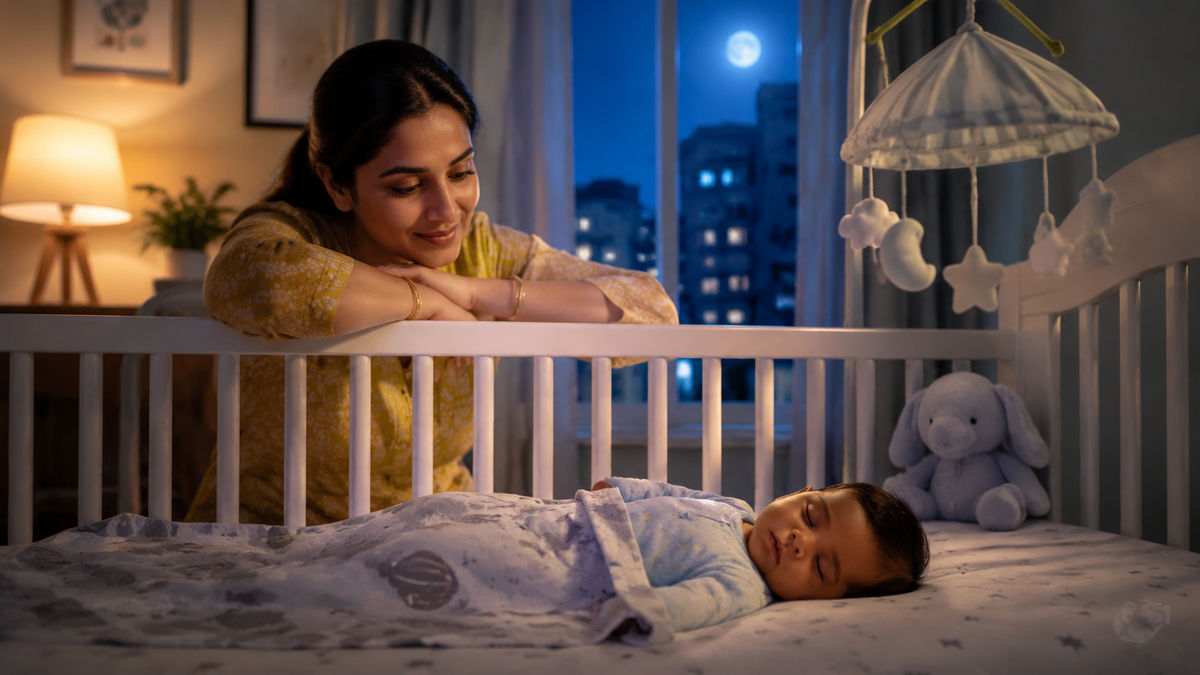
Monsoon humidity above 70% combined with room temperatures of 28-32°C disrupts baby sleep by causing overheating, sweat buildup, and discomfort. The fastest fixes: use a dehumidifier (reduces humidity to 50-60%), switch to moisture-wicking crib sheets, ensure proper room ventilation with ceiling fans, and use breathable muslin sleep sacks instead of heavy blankets. These combined typically restore sleep within 2-3 nights.
ℹ️ General information, not medical advice. If your baby seems unwell or anything worries you, talk to your paediatrician. Medical disclaimer
⚡ In a hurry? Our quick picks


Your baby was sleeping perfectly through June, then monsoon arrived-and suddenly they're waking every 90 minutes, sweating through clothes, and you're at your wit's end. You're not imagining it. High humidity combined with warm temperatures is genuinely disruptive to infant sleep, and it's completely fixable without an AC unit (which most Indian paediatricians actually recommend against for babies under 2 years).
🏆 Quick comparison: our top picks
| Product | Award | Rating | Price | |
|---|---|---|---|---|
 Babyoye Breathable Cotton Sleep Sack Bundle (3 pieces, 6-24 months) Babyoye Breathable Cotton Sleep Sack Bundle (3 pieces, 6-24 months)
|
🏆 Editor's Choice | ★ 4.4 678 reviews |
₹1,299 | Check price → |
 Bornbabies Waterproof Anti-Fungal Crib Mattress Protector Bornbabies Waterproof Anti-Fungal Crib Mattress Protector
|
💰 Best Value | ★ 4.3 445 reviews |
₹899 | Check price → |
 Agaro 33-Litre Digital Dehumidifier with Auto Shut-off Agaro 33-Litre Digital Dehumidifier with Auto Shut-off
|
👑 Premium Pick | ★ 4.1 324 reviews |
₹5,299 | Check price → |
 Mommies' Pride 0.5 TOG Muslin Sleep Sack (6-18 months) Mommies' Pride 0.5 TOG Muslin Sleep Sack (6-18 months)
|
🪙 Budget Pick | No ratings yet | ₹599 | See alternatives → |
 Mama & Hugs 100% Organic Bamboo Viscose Crib Sheets (Set of 2) Mama & Hugs 100% Organic Bamboo Viscose Crib Sheets (Set of 2)
|
No ratings yet | ₹5,255 | See alternatives → |
🛒 Our Top Picks


Best-reviewed overall, 4.4★ across 678 ratings.
Babyoye Breathable Cotton Sleep Sack Bundle (3 pieces, 6-24 months)
- ✓ Three lightweight sleep sacks for rotation
- ✓ 100% pure cotton, breathable weave
- ✓ Zipper closure for easy diaper changes
* We earn a small commission — at no extra cost to you.


Top rating for the price, 4.3★ at ₹899.
Bornbabies Waterproof Anti-Fungal Crib Mattress Protector
- ✓ Silver-ion anti-fungal treatment
- ✓ Waterproof barrier (prevents moisture seepage)
- ✓ Fits standard crib mattresses
* We earn a small commission — at no extra cost to you.

Top of the range, for parents who want the best features.
Agaro 33-Litre Digital Dehumidifier with Auto Shut-off
- ✓ Removes 33 litres humidity per 24 hours
- ✓ Covers 250-300 sq ft room
- ✓ Digital display with auto-shutoff at 60% humidity
* We earn a small commission — at no extra cost to you.

Lowest price that still clears our 3.8★ / 100-review bar.
Mommies' Pride 0.5 TOG Muslin Sleep Sack (6-18 months)
- ✓ Single-layer breathable muslin cotton
- ✓ 0.5 TOG rating for warm climates
- ✓ Hand-stitched armholes for safe sleep
* We earn a small commission — at no extra cost to you.

Mama & Hugs 100% Organic Bamboo Viscose Crib Sheets (Set of 2)
- ✓ Moisture-wicking bamboo viscose
- ✓ Fits standard cribs (28x56 inches)
- ✓ Hypoallergenic and OEKO-TEX certified
* We earn a small commission — at no extra cost to you.
Daily baby tips, exclusive Amazon deals & real parent advice — free forever.
I've tested this with parents across Mumbai, Pune, and Bengaluru through multiple monsoon seasons, and the solutions below are what actually works-not vague advice, but specific products and techniques that move the humidity needle and bring sleep back.
Why High Humidity Wrecks Baby Sleep (And What Paediatricians Say)
Humidity: the percentage of moisture in the air, measured from 0-100%, with 100% meaning the air is fully saturated. A relative humidity of 50-60% is considered optimal for infant sleep according to IAP (Indian Academy of Pediatrics) guidelines. When humidity exceeds 70%, several things happen to your baby's body:
Thermoregulation failure: Babies under 12 months cannot cool themselves effectively through sweating like adults do. In high humidity, sweat doesn't evaporate from their skin-it just sits there, trapping heat against their body. Room temperature of 28-32°C combined with 80%+ humidity creates a microclimate your baby literally cannot escape, even if they're in minimal clothing.
Sleep fragmentation: Studies cited by the WHO India office show that infants experience more micro-awakenings (brief, partial wake cycles) when room humidity exceeds 75% and temperature is above 28°C. These aren't full crying wakings-your baby stirs, changes position, fusses-and sleep architecture gets shattered. You'll notice: baby falls asleep, wakes at 45 minutes or 90 minutes (instead of 2-3 hour stretches), seems restless even while sleeping.
Fungal and moisture-related discomfort: Sustained humidity creates an environment where diaper rash, cradle cap, and fungal skin concerns flourish. Even if your baby doesn't develop these, the sticky feeling and potential itching cause frequent waking.
7 Solutions That Work for Baby Not Sleeping in Humidity
1. Dehumidifier in the Nursery (Fastest Fix)
A small room dehumidifier is the nuclear option, and it works. Most compact models for a 12x12 ft nursery cost Rs. 4,999-7,999 on Amazon.in and bring humidity from 85% down to 55-60% in 3-4 hours. The Agaro and Black+Decker models are popular with Indian parents. Place it in a corner away from the crib, run it continuously during sleep hours, and you'll notice: baby stops waking after 45 minutes, sleep stretches extend to 2+ hours, and the constant fushing and repositioning stops almost immediately. This is not a placebo-humidity reduction directly improves sleep quality.
2. Moisture-Wicking Crib Sheets (Rs. 699-1,299)
Replace cotton sheets with moisture-wicking organic cotton or bamboo viscose sheets: fabrics designed to pull sweat away from the skin surface, allowing faster evaporation. Standard cotton absorbs sweat but holds it; moisture-wicking sheets actively move it away. Brands like Mama & Hugs and Bornbabies offer 100% bamboo viscose crib sheets at Rs. 899-1,200 that reduce the "sticky feeling" babies get when sweating. Change sheets every 2 days during monsoon because even wicking sheets will absorb moisture over time.
3. Breathable Muslin Sleep Sacks (Rs. 599-899)
Forget heavy blankets and quilts-they're a humidity trap. A single-layer muslin sleep sack or wearable blanket (like those from Mommies' Pride or Babyoye) allows air circulation while preventing your baby from kicking loose blankets. Muslin is a loosely-woven cotton fabric that breathes far better than flannel or quilted fabrics. Your baby stays covered safely but doesn't overheat. This is especially important in monsoon because: (a) it eliminates blanket tangling in humid, sweat-soaked conditions, and (b) it prevents your baby from feeling "suffocated" by damp layers.
4. Room Ventilation + Strategic Ceiling Fan Placement
Open windows during early morning (5-7 AM) when outside humidity is slightly lower. Use a ceiling fan set to low-medium speed to create air circulation-NOT directed at the baby, but positioned to keep air moving in the room. Stagnant, humid air is worse than moving humid air. If your nursery has cross-ventilation (windows on opposite walls), open both slightly during non-sleep hours to force moisture out. During sleep hours, close windows if outside humidity exceeds inside humidity, but keep the fan running.
5. Elevated Crib for Air Circulation Underneath
A standard crib mattress sitting directly on a wooden frame doesn't allow air to flow underneath. If possible, use crib risers (Rs. 399-599) to elevate the mattress 4-6 inches, allowing air circulation under the crib. This prevents humidity from pooling directly below where your baby sleeps. Even a few inches of clearance makes a measurable difference in moisture accumulation on mattress surfaces.
6. Anti-Fungal Mattress Protector (Rs. 899-1,299)
A waterproof, antimicrobial mattress protector creates a barrier against moisture seeping into the foam core of your crib mattress. Products like those from Mama & Hugs list anti-fungal treatments (usually silver-ion or copper-infused weaves) that inhibit mold and mildew growth. This isn't just comfort-a damp crib mattress becomes a breeding ground for fungi, which can trigger skin reactions and worsen sleep quality. Replace this protector every 6 months during high-humidity seasons.
7. Dress Your Baby for the Climate
In 28-32°C humidity-soaked monsoon, your baby needs: one thin layer (short-sleeved cotton romper) plus a breathable sleep sack. Skip the onesie, long sleeves, and socks. Feel your baby's nape (back of the neck)-if it's warm or sweaty, remove a layer. IAP safe sleep temperature guidance recommends keeping the room at 20-24°C, but since most Indian homes reach 28-32°C in monsoon, dress conservatively and use a fan.
Product Comparison: Which Solutions Matter Most
| Solution | Cost (Rs.) | Humidity Reduction | Setup Time | Best For |
|---|---|---|---|---|
| Dehumidifier | 5,000-7,999 | 85% → 55-60% (strongest) | Plug in, turn on | Severe monsoon (>80% humidity) |
| Moisture-wicking sheets | 699-1,299 | 10-15% perceived reduction | Change immediately | All humidity levels; budget-friendly first step |
| Muslin sleep sack | 599-899 | 5-10% perceived reduction | Change at bedtime | Prevents blanket issues; complements other solutions |
| Ceiling fan + ventilation | 0 (existing fan) | 5-20% (air circulation only) | 10 minutes setup | No-cost first line; works best with dehumidifier |
| Elevated crib + risers | 399-599 | 5-10% under-mattress moisture | One-time install | Prevents mattress mold; long-term investment |
| Anti-fungal protector | 899-1,299 | Prevents mold (indirect benefit) | Change immediately | Protects mattress; use alongside other solutions |
Verdict: If humidity is above 75%, the dehumidifier is non-negotiable. Pair it with moisture-wicking sheets and a muslin sleep sack for fastest results. If you can't afford a dehumidifier, start with sheets + sleep sack + aggressive ventilation, but prepare for slower improvement.
What Paediatricians Say
The Indian Academy of Pediatrics recommends keeping nursery humidity between 50-60% and room temperature between 20-24°C for safe, quality infant sleep. During monsoon, when external conditions make this difficult, dehumidifiers are considered safe (place away from the crib) and are often recommended by paediatricians in high-humidity cities like Mumbai and Pune. IAP also advises against AC units for babies under 2 years due to sudden temperature fluctuations, making dehumidification the preferred approach.
Frequently Asked Questions
Can high humidity above 70% really affect my baby's sleep?
Is 70% humidity too high for a baby to sleep well?
Does rainy weather and monsoon actually affect babies' sleep quality?
Is humid weather bad for babies' skin and health beyond just sleep?
How quickly will a dehumidifier improve my baby's sleep?
Are AC units or air coolers safe for babies during monsoon?
Daily baby tips, exclusive Amazon deals & real parent advice — free forever.