
Baby Sleep in Winter: Room Temperature, Safe Heating & Night Checklist for Indian Parents
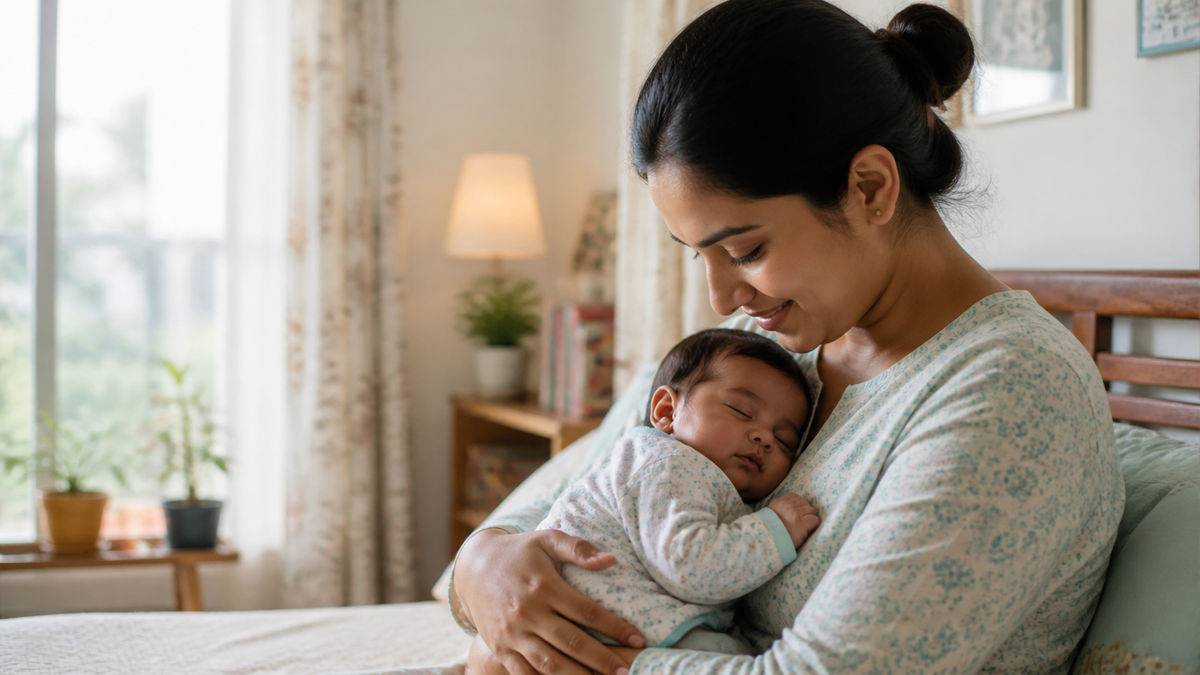
Keep your baby's room between 20-24°C during winter sleep. Avoid space heaters and traditional angeethi indoors—they cause fires and carbon monoxide. Instead, layer your baby with a sleep sack and light blanket, and check warmth by touching their chest, not extremities.
ℹ️ General information, not medical advice. If your baby seems unwell or anything worries you, talk to your paediatrician. Medical disclaimer
⚡ In a hurry? Our quick picks

Winter nights are when new parents panic most. Your 4-month-old's fingers feel cold, so you turn up the room heater. Your 18-month-old thrashes free of blankets at midnight. You've read conflicting advice about whether to swaddle, layer, or use a blanket. And if you're in a place like Delhi or Lucknow where temperatures drop below 10°C, the pressure to keep your baby warm feels enormous.
🏆 Quick comparison: our top picks
| Product | Award | Price | |
|---|---|---|---|
 Babyhug 100% Cotton Wearable Blanket Sleep Sack (6-18 Months, 1.0 Tog) |
👑 Premium Pick | ₹2,110 | See alternatives → |
 Dr. Morepen Digital Room Thermometer (Backlit LCD Display) |
🪙 Budget Pick | ₹158 | Check price → |
 Mee Mee Baby Wearable Blanket Sleep Sack (2.5 Tog, 0-6 Months) |
₹829 | Check price → | |
 Chicco Lullago Baby Sleep Bag (1 Tog, 6-36 Months) |
₹249 | See alternatives → | |
 Omron HJ-325 Digital Thermometer with Room Temperature Display |
See on Amazon | See alternatives → | |
 Superbottoms Organic Cotton Full-Sleeve Romper (0-12 Months, Winter Weight) |
₹499 | Check price → |
🛒 Our Top Picks

The highest-priced option in this guide.
Babyhug 100% Cotton Wearable Blanket Sleep Sack (6-18 Months, 1.0 Tog)
- ✓ 100% breathable cotton
- ✓ 1.0 tog for 20-24°C rooms
- ✓ Machine washable
* We earn a small commission — at no extra cost to you.

The lowest-priced option in this guide.
Dr. Morepen Digital Room Thermometer (Backlit LCD Display)
- ✓ Backlit LCD display
- ✓ °C and °F display
- ✓ Compact design
* We earn a small commission — at no extra cost to you.
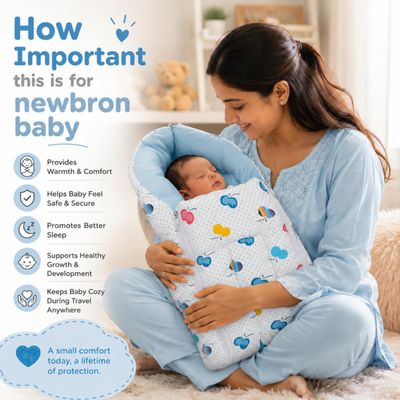
Mee Mee Baby Wearable Blanket Sleep Sack (2.5 Tog, 0-6 Months)
- ✓ 2.5 tog for 15-20°C rooms
- ✓ Soft fleece lining
- ✓ Arms-free design
* We earn a small commission — at no extra cost to you.
Chicco Lullago Baby Sleep Bag (1 Tog, 6-36 Months)
- ✓ 1 tog for 20-24°C rooms
- ✓ Side zips for quick diaper changes
- ✓ Premium cotton jersey
* We earn a small commission — at no extra cost to you.
Omron HJ-325 Digital Thermometer with Room Temperature Display
- ✓ Room and body temperature modes
- ✓ Large LCD screen
- ✓ Fast reading
* We earn a small commission — at no extra cost to you.
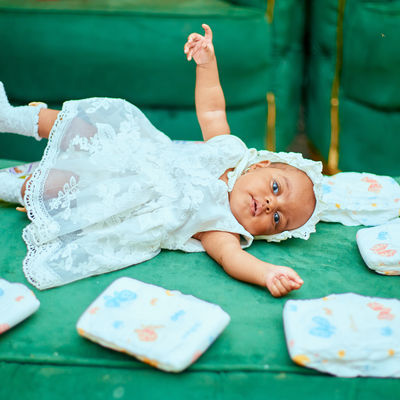
Superbottoms Organic Cotton Full-Sleeve Romper (0-12 Months, Winter Weight)
- ✓ 100% organic cotton
- ✓ Full sleeves for winter
- ✓ Soft elastic waist
* We earn a small commission — at no extra cost to you.
Daily baby tips, exclusive Amazon deals & real parent advice — free forever.
Here's what changes in winter: not much, actually. Babies regulate temperature differently than we do—they overheat easily, even in cold rooms. The ideal room temperature for baby sleep is 20-24°C, whether it's December in Bengaluru or January in Srinagar. What changes is how you layer your baby and what heating method you pick. And the heating part? That's where most mistakes happen.
This guide walks you through room temperature, layering strategies, why common heating methods are dangerous, how to tell if your baby is actually cold (spoiler: hands and feet are misleading), and a practical checklist for winter sleep in your region.
What is the Safe Room Temperature for Baby Sleep?
The ideal room temperature for baby sleep is 20-24°C, according to guidelines followed by pediatricians across India. This range prevents both overheating and dangerous cold stress. Babies under 3 months are especially sensitive to room temperature swings because they cannot shiver to generate heat or sweat efficiently to cool down.
If your room drops below 18°C, your baby needs extra layers—a sleep sack plus a light blanket. If it goes above 26°C, remove layers and consider whether the room can be ventilated safely (without drafts on the baby). Most Indian homes in winter naturally hover around 18-22°C without heating, which is actually safe. The problem isn't the cold—it's what parents do to fight the cold that causes harm.
A simple digital room thermometer (under Rs. 300 on Amazon.in) lets you know the actual temperature instead of guessing. Many parents keep heaters on all night without checking: thermometer readings often show the room is already 26-28°C by midnight, causing overheating and night sweating.
Layering vs Blankets: What Actually Works for Winter Sleep
Layers are safer than loose blankets for babies under 12 months because a sleep sack stays on all night—a blanket doesn't. Here's the layer strategy that works:
- Layer 1 (Base): A thin cotton or bamboo onesie or full-sleeves romper
- Layer 2 (Middle): A sleep sack rated for the room temperature. Sleep sacks come in tog ratings (tog = thermal overall grade): use 1.0 tog for 20-24°C rooms, 2.5 tog for 15-20°C rooms
- Layer 3 (Top): If room is below 18°C, add ONE lightweight blanket tucked firmly under the mattress—never loose, never over baby's head
Loose blankets in the crib are a safety hazard: they increase sudden infant death risk (SIDS) and suffocation risk. A sleep sack eliminates the blanket-slipping problem entirely. For babies 12+ months in their own beds, one thin blanket or duvet is fine, but watch for overheating signs: sweating, flushed cheeks, damp hair.
Why Room Heaters and Angeethi Are Dangerous Indoors
Room heaters and traditional angeethi pose three specific risks in a nursery or baby's bedroom:
- Fire Risk: Space heaters tip over easily if a mobile parent bumps into one during night feeds. Heater coils can ignite blankets or furniture. Angeethi indoors releases carbon monoxide—a colorless, odorless gas that causes death without warning.
- Overheating: Parents set heaters high at bedtime, then fall asleep. By 3 AM, the room is 28-32°C and the baby is sweating hard, at high risk of fever and dehydration.
- Air Quality: Closed-room heating dries air and depletes oxygen. Babies breathe faster in dry air, and mucus membranes crack, inviting infection.
Safe alternatives: heat the room before the baby enters (turn off heater once room reaches 22°C), use a central heating system with a thermostat you can check, or layer the baby instead. In Mumbai or Bengaluru, even in winter, most homes don't need heating at all—a sleep sack alone is enough.
How to Check If Your Baby Is Actually Cold
Don't check baby's hands or feet. That's the biggest mistake parents make. Babies' peripheral circulation (hands, feet, nose) is always cooler than the core because blood prioritizes the brain and heart in cold. Cold hands do NOT mean your baby is cold.
Instead, check the chest and back of the neck. If these feel warm and dry, your baby is fine. If the chest feels clammy or cold, add a layer. If the back of the neck is sweaty, remove a layer. This is faster and more accurate than a temperature check every night.
Also watch behavior: a truly cold baby cries, has trouble feeding, and may be lethargic. A slightly cool baby stays calm and sleeps. If your baby is sleeping peacefully through the night, they're not cold.
Sleep Sacks and Thermometer Picks for Winter 2026
Three products handle 90% of winter sleep safely:
Babyhug 100% Cotton Sleep Sack (1.0 Tog, 6-18 Months) is a popular budget option on Amazon.in around Rs. 599-799. Cotton is breathable, washable, and tog-rated so you know what temperature it covers. Mee Mee Baby Wearable Blanket in 2.5 tog covers colder rooms (under 18°C) and runs Rs. 899-1,299. For premium, Chicco Lullago Sleep Bag offers temperature control with side zips and costs Rs. 1,200-1,500.
Pair any sleep sack with a digital room thermometer under Rs. 300—brands like Dr. Morepen or Omron sell basic LCD thermometers on Amazon.in. Place it at baby's sleep level (not high on a shelf where warm air rises).
Winter Sleep Checklist for Cold-Wave Regions
If you're in Delhi, Lucknow, Jaipur, or another region where December-January nights drop below 15°C:
- Check room temperature before bedtime—target 20-24°C
- Dress baby in full-sleeves base layer plus sleep sack
- Place a thin blanket in crib (tucked under mattress) only if room is below 18°C
- Position room thermometer where you can see it during night feeds
- Check baby's chest (not hands) once per night
- Turn off or lower heaters by 10 PM; don't leave them on all night
- Keep a spare sleep sack and base layer layer clean for quick changes if baby sweats through clothing
What IAP and WHO Guidance Says
Indian Academy of Pediatrics (IAP): Recommends a room temperature of 20-24°C for infant sleep and warns against heating devices that pose fire or carbon monoxide risk in closed nurseries. WHO: States that overheating during sleep is a risk factor for SIDS in infants under 12 months. Both bodies recommend layers (sleep sacks) over blankets as the safer approach.
When to See a Doctor
Contact your pediatrician if your baby shows signs of cold stress or overheating: extreme lethargy or refusal to feed, skin temperature of 36°C or below, shivering in older infants (1+), persistent fever above 38°C, or unusual sweating at night. This is general information, not medical advice.
📚 Sources
The guidance in this article draws on the sources below. It is general information, not medical advice: for any concern about your child's health, talk to your paediatrician.
- Indian Academy of Pediatrics (IAP) - Infant Sleep Safety Guidelines — Supports recommended room temperature range of 20-24°C and safe sleep practices avoiding loose blankets
- WHO - Infant and Young Child Feeding Recommendations — Confirms overheating as an SIDS risk factor and sleep environment safety in infants under 12 months
Last updated 12 Nov 2026
Frequently Asked Questions
What room temperature is safe for a newborn to sleep in winter?
Is it safe to use a room heater or space heater in a baby's nursery?
How do I know if my baby is cold at night?
What's the difference between 1.0 tog and 2.5 tog sleep sacks?
Can I use a blanket instead of a sleep sack for my baby in winter?
What should I do if my baby sweats through clothes at night in winter?
Daily baby tips, exclusive Amazon deals & real parent advice — free forever.