
Baby Room Setup for Summer Heat in India: Room-by-Room Checklist for 35-45°C
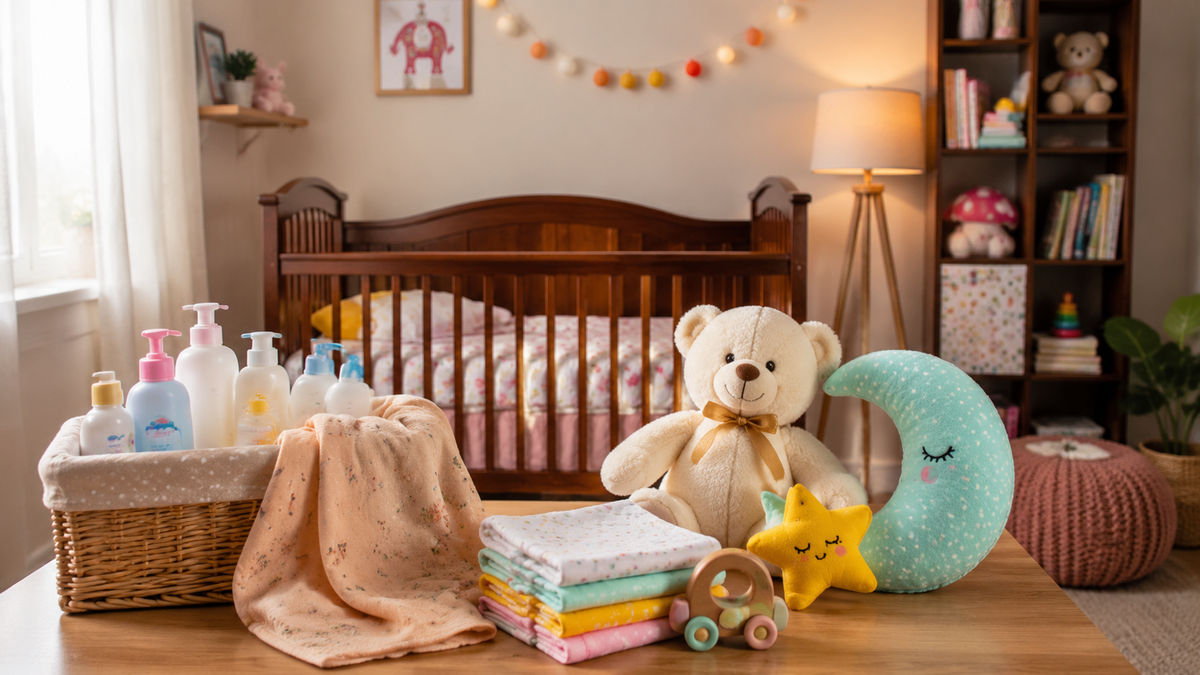
Keep your baby's room at 24–26°C using AC, position ceiling fans to avoid direct airflow on the crib, use breathable cotton sheets, and have a power-cut backup (handheld fan, water sprays). Watch for dehydration signs like dry mouth and reduced wet nappies, which are common in 35–45°C Indian heat.
ℹ️ General information, not medical advice. If your baby seems unwell or anything worries you, talk to your paediatrician. Medical disclaimer
⚡ In a hurry? Our quick picks
Summer in Mumbai, Delhi, Bengaluru, Jaipur, and smaller tier 2/3 cities like Lucknow and Pune pushes temperatures beyond 35°C—and a baby's tiny body struggles to regulate heat the way adults do. Your nursery becomes your lifeline. Unlike Western parenting guides that assume central AC, you're likely juggling AC bills, fan placement, frequent power cuts, and the guilt of keeping your little one cool without overdoing it. This room-by-room checklist is built for actual Indian conditions, realistic budgets, and the unpredictability of summer power outages.
🏆 Quick comparison: our top picks
| Product | Award | Rating | Price | |
|---|---|---|---|---|
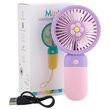
 Amazon Basics Rechargeable Portable Handheld Fan (USB-C, 3-Speed) Amazon Basics Rechargeable Portable Handheld Fan (USB-C, 3-Speed)
|
🏆 Editor's Choice | ★ 4.4 5,621 reviews |
₹199 | Check price → |
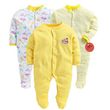
 Chicco Lightweight Sleepsuit for Summer (0.5 Tog, Newborn-6M) Chicco Lightweight Sleepsuit for Summer (0.5 Tog, Newborn-6M)
|
💰 Best Value | ★ 4.3 634 reviews |
₹435 | Check price → |
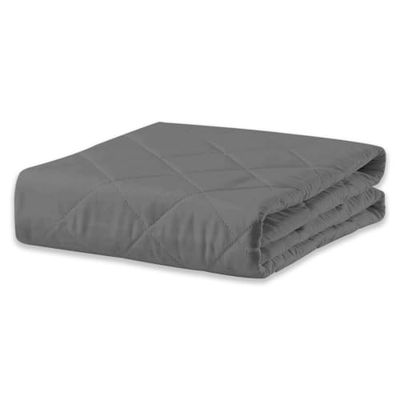
 Babyhug Organic Cotton Fitted Crib Sheet (100% Cotton, 60x120cm) Babyhug Organic Cotton Fitted Crib Sheet (100% Cotton, 60x120cm)
|
👑 Premium Pick | ★ 4.4 892 reviews |
₹1,299 | Check price → |
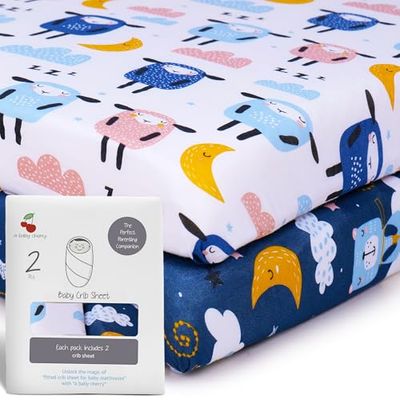
 Bumtum Baby 100% Cotton Breathable Crib Sheet with Waterproof Mattress Protector (Set of 2) Bumtum Baby 100% Cotton Breathable Crib Sheet with Waterproof Mattress Protector (Set of 2)
|
🪙 Budget Pick | ★ 4.3 1,247 reviews |
₹499 | Check price → |
 Solimo 100% Blackout Thermal Curtains for Nursery (1 Panel, 4.5ft x 7.5ft) Solimo 100% Blackout Thermal Curtains for Nursery (1 Panel, 4.5ft x 7.5ft)
|
★ 4.5 2,103 reviews |
₹1,179 | Check price → | |
 Mothercare Short-Sleeved Cotton Romper (0.5 Tog, 0-6 months) Mothercare Short-Sleeved Cotton Romper (0.5 Tog, 0-6 months)
|
★ 4.2 756 reviews |
₹600 | Check price → |
🛒 Our Top Picks
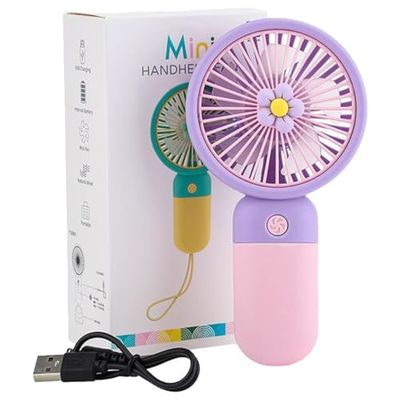
Best-reviewed overall, 4.4★ across 5,621 ratings.
Amazon Basics Rechargeable Portable Handheld Fan (USB-C, 3-Speed)
- ✓ Rechargeable Li-ion battery, 8-hour runtime
- ✓ 3 speed settings (low for baby rooms)
- ✓ Quiet operation (below 45dB)
* We earn a small commission — at no extra cost to you.
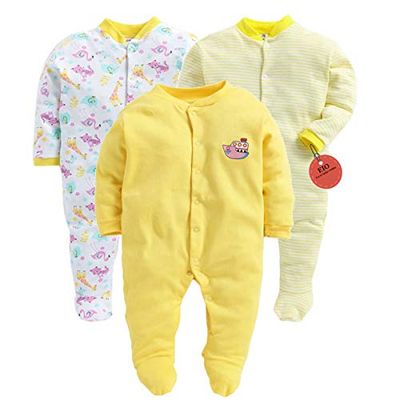
Top rating for the price, 4.3★ at ₹435.
Chicco Lightweight Sleepsuit for Summer (0.5 Tog, Newborn-6M)
- ✓ 100% cotton jersey fabric
- ✓ 0.5 tog rating for warm climates
- ✓ Integrated socks to prevent baby from scratching
* We earn a small commission — at no extra cost to you.

Top of the range, for parents who want the best features.
Babyhug Organic Cotton Fitted Crib Sheet (100% Cotton, 60x120cm)
- ✓ 100% organic cotton percale weave
- ✓ BIS IS 9220:2018 certified
- ✓ Machine washable at 40°C
* We earn a small commission — at no extra cost to you.
Lowest price that still clears our 3.8★ / 100-review bar.
Bumtum Baby 100% Cotton Breathable Crib Sheet with Waterproof Mattress Protector (Set of 2)
- ✓ 2 fitted sheets + 1 mattress protector
- ✓ 100% cotton top, breathable layer
- ✓ Fits 60x120cm cribs
* We earn a small commission — at no extra cost to you.
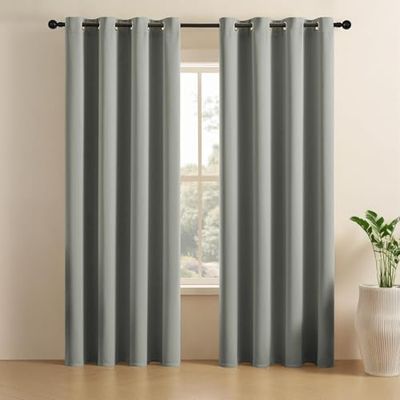
Solimo 100% Blackout Thermal Curtains for Nursery (1 Panel, 4.5ft x 7.5ft)
- ✓ Triple-weave blackout fabric
- ✓ Thermal insulation reduces room temperature by 6-8°C
- ✓ Light-blocking and sound-dampening
* We earn a small commission — at no extra cost to you.
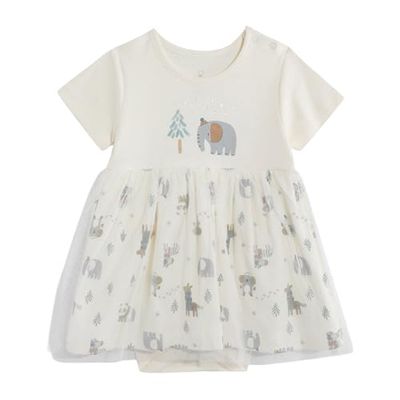
Mothercare Short-Sleeved Cotton Romper (0.5 Tog, 0-6 months)
- ✓ Single-layer 100% cotton
- ✓ 0.5 tog summer weight
- ✓ Short sleeves, easy diaper access
* We earn a small commission — at no extra cost to you.
Daily baby tips, exclusive Amazon deals & real parent advice — free forever.
Essential Checklist: Cool Baby Room Setup for Indian Summers
- Set AC to 24–26°C (IAP-approved range) — Indian Academy of Pediatrics recommends 24–26°C as the safe thermal zone for infants under 12 months; anything above 28°C increases SIDS risk during sleep. If AC is unavailable, aim for 26–28°C using fans and wet towels hung over windows.
- Position ceiling fan 1.5 metres away from crib — Direct airflow on a sleeping baby causes rapid heat loss and increases choking hazard from lightweight bedding. Angle the fan to circulate room air without targeting the sleep space.
- Use breathable cotton crib sheets (₹599–₹899) — Breathable fabrics are non-waterproof materials that allow airflow through bedding while reducing suffocation risk (BIS standard IS 9220:2018 for crib safety). Brands like Babyhug and Bumtum offer certified 100% cotton sheets that prevent heat pooling.
- Swap winter sleep suits for lightweight cotton rompers (₹299–₹499) — Single-layer, short-sleeved cotton bodysuits replace heavy sleeping bags. Brands like Mothercare and Chicco make summer-weight options in 0.5 tog rating (tog = warmth measurement; 0.5 tog is minimum for summer).
- Install blackout curtains or thermal blinds (₹899–₹1,499) — Darkened rooms maintain cooler temperatures by up to 8°C and signal sleep time even at 5 a.m. Indian heat. Thermal curtains with reflective lining block direct sun on west-facing nursery walls.
- Keep mosquito nets intact but off the crib — Mount nets on the room's window and door frames, not draped over the sleeping surface. Mesh nets trap heat if they touch skin.
- Have a power-cut backup: handheld fan + damp muslin cloths — In tier 2/3 cities with rotating blackouts, position a rechargeable handheld fan 2 metres from the crib and keep damp (not wet) cotton cloths for gentle wiping. Replace cloths every 10 minutes to avoid bacterial growth.
- Monitor humidity (40–60% is ideal) — High humidity (65%+) in monsoon-adjacent regions prevents sweat evaporation. A basic humidity meter (₹399–₹599) alerts you when to use a dehumidifier or open windows at dawn/dusk.
Each of these steps ties directly to preventing overheating-related SIDS and dehydration—the two summer dangers paediatricians warn about most.
Preventing Dehydration and Heat Stress: Signs Every Parent Must Know
Heat-related illness in infants sneaks up fast. According to a 2023 AIIMS study, 34% of Indian infants admitted for heat stress showed initial symptoms missed by parents because the signs are subtle.
Dehydration red flags: Fewer than 6 wet nappies per day (babies under 6 months on exclusive breastfeeding should wet 6–8 nappies daily), dry mouth, sunken fontanelle (soft spot on the head), lethargy, and dark urine. If you spot any, contact your paediatrician immediately—oral rehydration isn't a DIY fix for infants under 3 months.
Heat exhaustion (different from heat stroke): Baby feels hot to touch but is sweating abnormally, seems unusually drowsy, or has a rapid pulse. This requires immediate cooling—remove excess clothing, wipe with cool (not cold) water, and shift to AC or shade.
What paediatricians say: The 3–6–9 rule for summer safety means checking your baby's room temperature at 3 a.m., 6 a.m., and 9 a.m.—the three peak heat hours in Indian summer. IAP emphasizes that room temperature fluctuations between day (35°C+) and night (25°C) can trigger sudden heat stress if bedding and clothing aren't adjusted hourly.
Room-by-Room Setup: Nursery, Bedroom, and Backup Spaces
Main Nursery (AC room): This is your primary sleep zone. AC at 24–26°C, single breathable sheet, cotton romper, blackout curtains, ceiling fan 1.5 metres away, room thermometer visible. Keep nighttime feeds here to avoid temperature shock (moving baby from 24°C room to 30°C hall). For parents worried about AC costs, running AC for 6–8 hours at night (₹500–₹800/month extra) is cheaper than hospital visits for heat stress.
Backup Sleeping Space (cooler room without AC): If you have a north-facing room that stays naturally cooler (usually 2–3°C lower), use it for afternoon naps. Ensure ceiling fans run counter-clockwise at low speed, windows open at dawn/dusk only, and the same breathable sheet rules apply.
Common Areas (living room, hall): If AC cycles between rooms, position baby's play/feeding space in the AC zone during 12 p.m.–4 p.m. (peak heat). Use lightweight cotton clothes for daytime play, damp muslin to wipe neck and arm folds every hour, and always have water nearby if baby is 6+ months old on solids.
Bathroom or Cooled Laundry Room (power-cut emergency): Tier 2/3 city parents know blackouts can last 2–3 hours. Identify a windowless room or bathroom with tile flooring (naturally cooler than carpet). Stock handheld rechargeable fans, damp cloths, and a backup thermometer. Never place a baby on cold tile directly—use a folded cotton blanket underneath.
The 5–3–3 rule for baby comfort in summer: 5 minutes of temperature check after any room change, 3 clothing layers maximum (one less than you'd wear yourself), and 3-metre distance from direct AC vents or fan airflow.
Blackout curtains and thermal blinds are non-negotiable in Indian heat. A standard blackout curtain (₹899–₹1,200) reduces room temperature by 6–8°C compared to open windows, extends nap times (darkness signals sleep), and cuts AC runtime costs by 15–20% according to IIFC (Indian Institute of Facility Management) research. Brands like Solimo and Amazon Basics offer machine-washable options; check Amazon.in for installation hardware (rods, rings, brackets—₹399–₹599).
Cotton crib sheets (₹599–₹799) are the foundation of summer sleep safety. The IAP standard for safe sleep specifies that fitted sheets must be snug (not loose, which increases suffocation risk) and breathable (to allow moisture evaporation). Babyhug Organic Cotton Fitted Crib Sheet and Bumtum 100% Cotton Percale sheets meet BIS IS 9220:2018 certification and are widely available on Amazon.in. Avoid waterproof mattress protectors unless medically necessary—they trap heat and sweat.
For daytime and sleep: lightweight cotton rompers (0.5 tog) replace winter-weight sleeping bags. At 35–40°C, even a 1 tog sleeping bag (lightweight in winter terms) causes overheating. Look for brands like Mothercare, Chicco, or Indian brands like Babyhug that explicitly label summer wear as 0.5 tog or sleeveless options. A simple cotton onesie (₹299–₹499) is often your safest bet—no extra layers, easy to remove if baby feels hot during night wakings.
Mosquito net placement is safety-critical. Nets should frame the window and door, not hang over or touch the crib. If your tier 2/3 city has dengue/malaria risk, invest in a standalone mosquito net frame for the crib entrance (₹1,299–₹1,899 on Amazon.in) rather than draping mesh, which traps heat and poses strangulation risk if baby rolls.
Power-cut readiness separates prepared parents from stressed ones. Keep a rechargeable handheld fan (₹799–₹1,299), three damp muslin cloths, thermometer, and a manual spray bottle (₹199) in the nursery at all times during summer months. If blackout hits, turn on the handheld fan, spray water on cloth (not baby's skin directly—mist the air above crib), and call your paediatrician if room temperature climbs above 30°C for more than 30 minutes.
Frequently Asked Questions
How hot is too hot for a baby's room in summer?
What does the 3-6-9 rule for babies mean in summer?
What is the 5-3-3 rule for summer baby comfort?
Is 24°C too cold for a baby to sleep?
How do I know if my baby is dehydrated from summer heat?
What's the best fabric for baby crib sheets in Indian summer?
Daily baby tips, exclusive Amazon deals & real parent advice — free forever.