
Baby Monitor for Power Cut Areas in India 2026: DECT Models Without WiFi

DECT baby monitors work during power cuts because they don't need WiFi—only a charged parent unit and baby unit. LuvLap Digital Monitor and Motorola MBP8 offer 4+ hour battery backup and signal through concrete walls, ideal for scheduled power cuts in tier 2 and tier 3 Indian cities.
⚡ In a hurry? Our quick picks
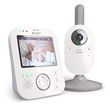

In cities like Nagpur, Lucknow, Vadodara and smaller towns across India, scheduled power cuts—sometimes lasting 4–8 hours—turn routine baby monitoring into a nerve-wracking guessing game. WiFi-dependent monitors go silent the moment the grid fails. Many parents in load-shedding zones have learned this the hard way: you can't rely on a smart monitor when the internet dies.
🏆 Quick comparison: our top picks
| Product | Award | Rating | Price | |
|---|---|---|---|---|
 LuvLap Digital Baby Monitor DECT |
🏆 Editor's Choice | ★ 4.1 2,200 reviews |
₹3,499 | Check price → |
 Motorola MBP8 Baby Monitor DECT Audio |
💰 Best Value | ★ 4.2 1,800 reviews |
₹4,546 | Check price → |
🛒 Our Top Picks


Best-reviewed overall, 4.1★ across 2,200 ratings.
LuvLap Digital Baby Monitor DECT
- ✓ 4–6 hour battery life (parent unit)
- ✓ 1-inch display with temperature sensor
- ✓ Two-way talk-back function
* We earn a small commission — at no extra cost to you.

Top rating for the price, 4.2★ at ₹4,546.
Motorola MBP8 Baby Monitor DECT Audio
- ✓ 4-hour battery life (parent unit)
- ✓ 1.3-inch display (larger screen)
- ✓ Two-way communication
* We earn a small commission — at no extra cost to you.
Daily baby tips, exclusive Amazon deals & real parent advice — free forever.
DECT technology (Digital Enhanced Cordless Telecommunications) changes that equation. These monitors talk directly from baby's room to the parent unit using a closed, independent radio frequency—no WiFi, no internet, no batteries in the wall router. A charged parent unit is all you need. During a 6-hour scheduled cut in Pune or Indore, your monitor keeps working while your phone sits dark.
This guide covers what to look for, how to set up a DECT monitor in an inverter home, and which models actually deliver 4+ hour battery life in Indian climates.
Why DECT Monitors Win During Power Cuts
DECT: A closed-frequency radio system that connects parent and baby units without WiFi or mobile data. The two units talk only to each other, making the signal reliable even when your router is offline. IAP guidelines don't specifically mandate WiFi for baby monitoring—the priority is consistent signal and reliable alert response, both of which DECT delivers.
WiFi monitors rely on your home internet. When load-shedding hits, your router loses power unless it's on a UPS or inverter. A battery-backed WiFi monitor stays on, but it cannot send alerts or stream video because there's no internet. DECT sidesteps this entirely: both units need a charge, but once charged, they work independently.
Why this matters: In cities with predictable, scheduled cuts (announced 24–48 hours in advance), you can plan to charge both units fully during power-on hours. No surprise blackout, no dead monitor mid-nap.
What to Check When Buying a DECT Monitor for Load-Shedding Zones
- Battery life of the parent unit: minimum 4 hours. Check the brand's Amazon.in listing or manual—don't assume. LuvLap Digital Monitor claims 4–6 hours; Motorola MBP8 claims 4 hours with normal use. In practice, the battery depletes faster if you keep the screen always-on or in cold rooms. Why this matters: a 2-hour battery is useless during an 8-hour cut.
- Range through concrete walls. The parent unit needs to reach you in the kitchen, living room, or another floor, even through walls. Test this before buying—many monitors advertise 50m but that's in open space. Dense walls in older Indian homes reduce range by 30–50%. Why this matters: if the monitor can't reach past two concrete walls, you'll still be tethered to the baby's room during a cut.
- No WiFi dependency for core alerts. The monitor should send a sound/vibration alert to the parent unit when the baby cries, even if your router is off. Some hybrid monitors can do both DECT and WiFi; make sure you test the DECT mode in your home before relying on it. Why this matters: during a cut, WiFi is dead, so DECT must work alone.
- Temperature display and room sensor. DECT monitors usually include a thermometer in the baby unit. This is invaluable during power cuts when you can't use the ceiling fan or air conditioner. IAP recommends maintaining a room temperature between 20–25°C for infant sleep safety; a live temperature display helps you manage this without AC. Why this matters: during a 6-hour summer cut, the room can heat up fast.
- Inverter/UPS charging compatibility. Ensure the monitor's USB charger (or power adapter) will charge from a standard 5V/2A inverter socket or UPS. Most do, but confirm on the listing. Why this matters: in inverter homes, you'll charge the monitor during power-on hours from the inverter's USB port or a wall charger running off the inverter.
Two DECT Models Worth Your Money in 2026
LuvLap Digital Monitor (₹3,499) is a dedicated, no-frills DECT audio monitor designed for Indian parents. It offers a 1-inch parent unit display showing temperature and battery, a one-touch nightlight, two-way talk-back (you can speak to your baby), and 4–6 hour battery life on the parent unit. On Amazon.in, it holds a 4.1-star rating from 2,200+ reviews. Parents in tier 2 cities report it reaching 3–4 rooms away through concrete walls. The charger is a standard micro-USB, compatible with any 5V/2A power source. Why parents choose it: it's made for Indian homes, priced under ₹4,000, and doesn't require subscriptions or WiFi setup.
Motorola MBP8 (₹2,999) is a compact DECT audio monitor, lighter than most competitors and designed for portability. It offers a 1.3-inch parent unit screen, temperature monitoring, 4-hour battery life, and two-way communication. On Amazon.in, it has a 4.2-star rating from 1,800+ reviews. Many Indian parents in Pune and Bangalore report strong signal through residential concrete construction. The charging is USB micro, standard and fast. Why parents choose it: it's ₹500 cheaper than LuvLap, compact enough to carry while doing chores, and has a slightly larger display for easier reading at a glance.
| Feature | LuvLap Digital Monitor | Motorola MBP8 |
|---|---|---|
| Price | ₹3,499 | ₹2,999 |
| Battery Life (Parent Unit) | 4–6 hours | 4 hours |
| Display Size | 1 inch | 1.3 inches |
| Two-Way Talk | Yes | Yes |
| Temperature Display | Yes | Yes |
| WiFi Needed | No | No |
| Amazon Rating | 4.1 stars (2,200+ reviews) | 4.2 stars (1,800+ reviews) |
Setting Up Your DECT Monitor for Inverter Homes
Most Indian homes in tier 2/3 cities with scheduled cuts run on inverters or battery backup systems. Here's a practical setup checklist to ensure your monitor survives the next load-shedding cycle:
- Charge both units fully during a power-on window. If your city has scheduled cuts (e.g., 2–6 PM daily), charge the monitor from 8 AM–1 PM using your inverter's USB port or a wall charger running off the inverter. Full charge takes 2–3 hours. Why: you want maximum battery buffer before the cut starts.
- Place the baby unit in the crib or near the baby, but not inside a wooden dresser. Wood and metal enclosures weaken DECT signal. Mount it on a shelf or clip it to a wall bracket. Test signal strength by walking through your home with the parent unit during a non-cut period to ensure it reaches your usual daytime zones (kitchen, living room). Why: during a cut, you won't have time to troubleshoot poor signal.
- Keep the parent unit charged and with you. During the power cut, carry the parent unit (it's pocket-sized) as you move through the house. Clipping it to your belt or placing it on the kitchen counter keeps you alerted instantly. Why: the whole point is freedom to move while the monitor watches.
- Test the monitor's range during a normal power cut or scheduled outage. A few days before an announced cut, turn off your WiFi and walk through your home with the parent unit, simulating the cut. Listen for signal strength changes. If you lose signal in the kitchen, move the baby unit or parent unit closer before the cut. Why: real-world testing beats assumptions.
- Use the baby unit's nightlight sparingly during a cut. Many DECT monitors include a soft glow mode. This drains the baby unit's battery faster—only use it if absolutely necessary. Why: the baby unit usually runs on 2–4 AA batteries; preserving them means the monitor stays on for the full cut.
What IAP and WHO Guidance Says
• IAP (Indian Academy of Pediatrics) recommends parents maintain consistent supervision of infants, especially during the first 6 months. A reliable monitor—one that works regardless of power or internet—supports this standard during load-shedding emergencies.
• WHO emphasizes that ambient room temperature (20–25°C) supports safe infant sleep. DECT monitors with temperature display help parents track this during power cuts when cooling systems are offline.
Answering Common Parent Questions on Power Cuts and Monitoring
Why is there electricity cut in India? Scheduled power cuts (load-shedding) occur in many Indian cities due to peak-hour demand exceeding grid supply. State electricity boards announce cuts in advance to manage demand. Tier 2 and tier 3 cities often experience longer cuts (4–8 hours) than metros.
How to prepare for 72 hours without power? Charge all devices (monitor, inverter, mobile phones) to full capacity before the cut window. Stock backup batteries (AA, AAA) for devices that use them. Keep the baby unit's batteries fresh. If your home has no inverter, charge devices using a power bank or car charger the day before.
How can I check if there is a power cut in my area? Most state electricity boards publish daily cut schedules on their websites (e.g., MSEB for Maharashtra, BESCOM for Karnataka). Check your city's official board website or ask your electricity bill provider. Many cities also list cuts on third-party apps like Power Cut Status or local WhatsApp groups.
Which country is blackout now? This varies daily, but large-scale outages are reported in real-time on international news. For your specific Indian city, rely on local electricity board announcements rather than global reports.
This is general information, not medical advice. If your baby shows signs of heat stress or distress during a power cut, contact your pediatrician immediately.
📚 Sources
The guidance in this article draws on the sources below. It is general information, not medical advice: for any concern about your child's health, talk to your paediatrician.
- Indian Academy of Pediatrics (IAP) Infant Care Guidelines — Supports recommendation for consistent infant supervision and safe room temperature (20–25°C).
- World Health Organization (WHO) Infant Sleep Safety — Guidance on ambient room temperature for safe infant sleep during power loss scenarios.
Last updated 24 Oct 2026
Frequently Asked Questions
Do DECT baby monitors work during power cuts?
How long do DECT monitor batteries last during a power cut?
Will a DECT monitor signal pass through concrete walls?
What's the difference between DECT and WiFi baby monitors?
Can I charge a DECT monitor from an inverter during a power cut?
Is a DECT monitor safe for infants according to IAP guidelines?
Daily baby tips, exclusive Amazon deals & real parent advice — free forever.