
Baby Gagging on Puree at 7 Months: Texture Timeline & When to See a Doctor

Gagging at 7 months is normal as your baby learns to swallow thicker textures. Start with smooth purees (weeks 1–2), move to mashed with tiny soft lumps (weeks 3–4), then progress to minced textures by week 5–6. Gagging involves coughing and tongue thrust; choking is silent. If gagging persists beyond 9 months or your baby refuses all solids, speak to your paediatrician.
ℹ️ General information, not medical advice. If your baby seems unwell or anything worries you, talk to your paediatrician. Medical disclaimer
⚡ In a hurry? Our quick picks

When your 7-month-old starts solids, gagging feels terrifying. Your baby's face turns red, they cough hard, and you wonder if something is wrong. The truth: gagging is a protective reflex that keeps babies safe. It's your baby's way of saying, "This texture is new; I need to figure out how to swallow it." Most babies outgrow gagging by 9–10 months as they practise and their swallowing matures. This guide walks you through a realistic week-by-week texture progression, how to spot the difference between normal gagging and dangerous choking, and the tools that make transitions smoother.
🏆 Quick comparison: our top picks
| Product | Award | Price | |
|---|---|---|---|
 Nuby Soft Silicone Baby Spoons (Pack of 3) |
See on Amazon | Check price → | |
|
Philips Avent Soft Spoon Feeding Set
|
See on Amazon | See alternatives → | |
 OXO Tot Baby Food Mill Hand-Crank |
₹5,344 | See alternatives → |
🛒 Our Top Picks


Nuby Soft Silicone Baby Spoons (Pack of 3)
- ✓ Soft silicone safe for gums
- ✓ Flexible design reduces gagging
- ✓ Dishwasher safe
* We earn a small commission — at no extra cost to you.
Philips Avent Soft Spoon Feeding Set
- ✓ Designed for sensitive gums
- ✓ Curved bowl prevents gagging
- ✓ Easy grip handle
* We earn a small commission — at no extra cost to you.
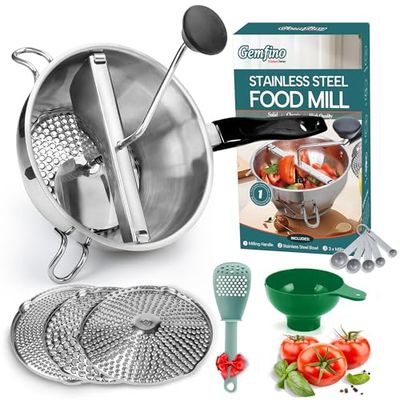
OXO Tot Baby Food Mill Hand-Crank
- ✓ Grinds cooked grains into smooth puree
- ✓ Compact, travel-friendly
- ✓ Two grinding discs for texture control
* We earn a small commission — at no extra cost to you.
Daily baby tips, exclusive Amazon deals & real parent advice — free forever.
The Week-by-Week Texture Progression for 7-Month-Olds
Your baby's mouth and throat are still learning. Smooth purees are the starting point, but your goal by month 9–10 is soft, minced textures. This progression isn't rigid—every baby moves at their own pace—but it gives you a roadmap.
- Weeks 1–2: Smooth, single-ingredient purees. Ragi cooked until very soft, blended smooth (no grains visible), or moong dal dal cooked until it falls apart and blended to a fine paste. Banana mashed with a fork until no lumps remain. Pear cooked and pureed. Consistency: flows slightly from a spoon, no visible grains or pieces. Why this matters: your baby's swallowing reflex is still refining. Smooth purees require minimal chewing and swallowing coordination.
- Weeks 3–4: Mashed with very tiny soft lumps. Ragi porridge with a few tiny, barely-there grains (cook longer, then mash lightly with the back of a spoon). Moong dal slightly thicker, with a few dal pieces that dissolve on the tongue. Banana mashed but with 2–3 soft flecks. Suji (semolina) cooked into a thick porridge and left with a slightly bumpy texture. Consistency: holds its shape on a spoon but breaks apart easily when pressed. Why this matters: introducing lumps now teaches your baby's tongue and throat how to handle slightly thicker food while still being safe.
- Weeks 5–6: Minced, soft texture with more lumps. Ragi porridge with visible but very soft grains that dissolve with tongue pressure. Moong dal mash with 50% of the dal still intact (not blended). Banana chopped into tiny, soft pieces (not mashed). Suji kheer with soft, distinct grains. Pear finely chopped and lightly mashed. Consistency: textured but no hard or crunchy pieces; baby can gum it down. Why this matters: by week 6, your baby's jaw muscles and swallowing are stronger. Minced textures prepare them for self-feeding finger foods by 9–10 months.
Gagging vs. Choking: Know the Difference
Gagging is loud, visible, and a sign your baby's body is working safely. Choking is silent and dangerous. Learning the difference stops unnecessary panic and helps you stay calm.
Gagging: Your baby's face may redden, they cough or make repeated "gag" sounds, their tongue thrusts forward, and they may spit food out or swallow after a few attempts. Their airway is open; you can hear them. Gagging usually lasts 10–30 seconds. This is protective and normal.
Choking: Your baby cannot cough or cry, their face turns blue or pale, they make no sound, and they cannot breathe. This is a medical emergency. Call 100 immediately.
If your baby gags, resist the urge to intervene immediately. Stay calm, watch, and let their body clear the food. Jumping in can startle them and actually increase panic. Offer water in a sippy cup after the episode to settle their throat.
Tools That Make Texture Transitions Easier (₹150–₹400)
The right spoon and masher reduce lumps inconsistently and make feeding predictable.
- Spoon choice matters. Soft silicone baby spoons (₹80–₹150) have edges that don't scrape the gum line and bend slightly if your baby bites down, reducing gagging triggers. Hard plastic or metal spoons can press too much food back toward the throat, causing gagging. Brands like Nuby and Philips Avent offer soft spoons on Amazon.in.
- Masher options. A simple fork (which you likely have) works for banana and cooked pear. A potato ricer (₹150–₹250 on Amazon.in) creates ultra-smooth purees from ragi and moong dal without using a blender. A hand-held baby food mill (₹200–₹350) grinds cooked grains into consistent, lump-free paste. Avoid immersion blenders for tiny batches—they're overkill and create overly smooth purees that delay texture progression.
- Consistency checker. A simple spoon test: food should drop slowly from a spoon when tilted, not flow like water and not stay in a firm ball. If your baby gags on every bite, the food may be too thick; thin it slightly with boiled, cooled water or breast milk.
Why Gagging Stops by Month 9–10
Your baby's swallowing reflex moves backward in the mouth between 6 and 9 months. Before 6 months, the gag reflex sits near the front of the mouth, so even thin purees can trigger gagging. By 9 months, it sits further back, and your baby has swallowed hundreds of spoonfuls—their brain now recognises food and swallows without fear. Gagging decreases naturally as practice accumulates. Rushing textures or forcing lumps can increase anxiety and actually extend gagging; following your baby's readiness prevents this.
When to See a Doctor
Most gagging is normal, but feeding delays or signs of struggle warrant a paediatrician's attention. This is general information, not medical advice.
- Your baby refuses all solid food by 8 months and shows no interest in spoon-feeding.
- Gagging is accompanied by vomiting, refusing to eat, or weight loss or slow growth.
- Your baby drools excessively, has trouble swallowing saliva, or coughs during feeds.
- Food frequently comes back up through the nose during or after feeds.
- Your baby eats only single textures (e.g., smooth puree only) and refuses all others by 10 months.
What IAP and WHO Guidance Says
Introduce textures gradually. The Indian Academy of Pediatrics (IAP) recommends starting solids around 6 months with smooth, single-ingredient purees and progressing to mashed and minced textures by 7–9 months to support normal swallowing development. Gagging is not choking. WHO guidelines note that gagging is a healthy reflex that decreases as babies gain feeding experience; parents should not mistake it for aspiration or danger.
Ragi, Moong Dal, Banana and Pear: Your Safest First Foods
These foods are gentle on developing guts and easy to texture-control. Ragi porridge cooked soft and mashed stays consistent; moong dal breaks down predictably; banana and pear are naturally soft. Combine them in weeks 1–2 (single ingredient), weeks 3–4 (two-ingredient mixes), and weeks 5–6 (three-ingredient combinations like ragi + moong dal + banana). Suji kheer (semolina cooked in breast milk or formula) offers a different texture by week 4 and builds tolerance for grains beyond ragi.
Track your baby's progress in a simple notebook: date, food, texture, gagging episodes, and how much they ate. This helps you and your doctor spot patterns. Most babies who gag at 7 months transition smoothly to family meals by 10–11 months. Patience and consistency—not pressure—make the difference.
📚 Sources
The guidance in this article draws on the sources below. It is general information, not medical advice: for any concern about your child's health, talk to your paediatrician.
- Indian Academy of Pediatrics: Infant Feeding Guidelines — Supports texture progression timeline and gagging as normal developmental reflex
- WHO: Feeding Infants and Young Children 6–24 Months — Confirms gagging vs choking distinction and texture introduction safety
Last updated 21 Nov 2026
Frequently Asked Questions
Why is my 7-month-old gagging when they eat solids?
Is it possible for a baby to choke on puree?
Why is my 7-month-old refusing purees?
How long until babies stop gagging on food?
What's the best spoon to use when my baby gags?
Should I use a food processor or hand masher for baby purees?
Daily baby tips, exclusive Amazon deals & real parent advice — free forever.