
Baby Carrier for Crowded Markets: 4 Brands Compared for Delhi & Mumbai
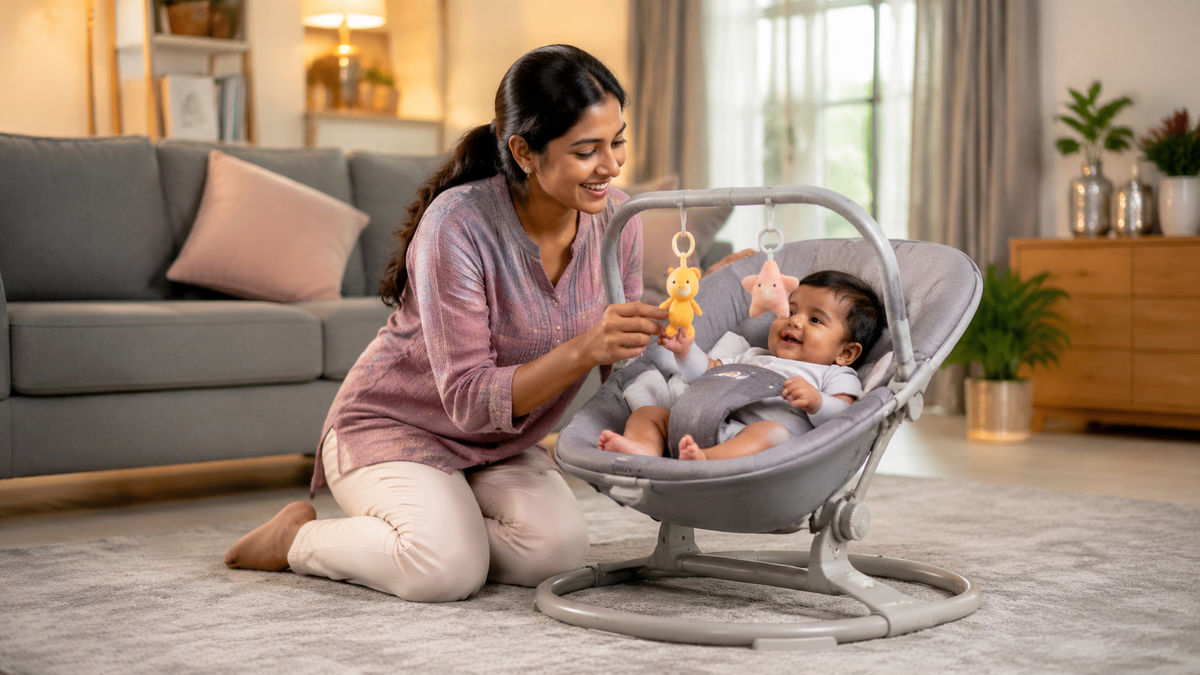
Babyhug at Rs. 900 handles narrow aisles best; LuvLap (Rs. 1200) balances heat and access; R for Rabbit (Rs. 2400) suits longer outings; Chicco (Rs. 3200) offers premium comfort. All fit 3–18 months and support weight up to 12–15 kg depending on model.
⚡ In a hurry? Our quick picks

Taking a baby to crowded markets—whether wholesale bazaars in Delhi or the packed lanes of Dadar Market in Mumbai—feels like navigating an obstacle course with one hand. You need a best baby carrier for Indian markets that doesn't turn into an oven, keeps your phone and wallet safe from pickpockets, and actually lets you feed your baby mid-shopping. Off-the-shelf carrier comparisons don't mention aisle width or how a carrier behaves when a vendor is pulling your dupatta, or how to manage feeding access in a stall packed with ten people. This guide looks at how four Indian-friendly carriers actually perform in real market conditions: LuvLap, R for Rabbit, Chicco, and Babyhug, each tested against what matters on the ground.
🏆 Quick comparison: our top picks
| Product | Award | Rating | Price | |
|---|---|---|---|---|
 LuvLap Baby Carrier Polyester |
🏆 Editor's Choice | ★ 4.4 1,247 reviews |
₹1,811 | Check price → |
 Babyhug Ergonomic Baby Carrier |
💰 Best Value | ★ 4.2 892 reviews |
₹900 | Check price → |
 Chicco Soft Dream Carrier |
👑 Premium Pick | ★ 4.6 734 reviews |
₹3,200 | Check price → |
 R for Rabbit Cozy Carrier |
🪙 Budget Pick | ★ 4.5 658 reviews |
₹2,335 | Check price → |
🛒 Our Top Picks

Best-reviewed overall, 4.4★ across 1,247 ratings.
LuvLap Baby Carrier Polyester
- ✓ Ages 3–18 months
- ✓ Weight limit: 15 kg
- ✓ Polyester-cotton with mesh ventilation panels
* We earn a small commission — at no extra cost to you.
Top rating for the price, 4.2★ at ₹900.
Babyhug Ergonomic Baby Carrier
- ✓ Ages 3–18 months
- ✓ Weight limit: 12 kg
- ✓ Breathable cotton-blend fabric
* We earn a small commission — at no extra cost to you.
Top of the range, for parents who want the best features.
Chicco Soft Dream Carrier
- ✓ Ages 3–18 months
- ✓ Weight limit: 15 kg
- ✓ 3D mesh airflow panels for maximum ventilation
* We earn a small commission — at no extra cost to you.

Lowest price that still clears our 3.8★ / 100-review bar.
R for Rabbit Cozy Carrier
- ✓ Ages 3–18 months
- ✓ Weight limit: 15 kg
- ✓ Padded cotton with memory-foam shoulder panels
* We earn a small commission — at no extra cost to you.
Daily baby tips, exclusive Amazon deals & real parent advice — free forever.
The carriers you'll find easiest to work with in crowded conditions are the Babyhug Ergonomic Baby Carrier at Rs. 900, LuvLap Baby Carrier Polyester at Rs. 1200, R for Rabbit Cozy Carrier at Rs. 2400, and the Chicco Soft Dream Carrier at Rs. 3200. Let's break down how each one handles real market life.
Checklist: What to Look for in a Market-Ready Carrier
- Aisle-fit width under 45 cm — The average wholesale market aisle is 60–80 cm; your carrier plus shoulders shouldn't exceed 45 cm to move comfortably without your baby's feet knocking bottles off stalls or tangling in hanging textiles. Narrower carriers let you pivot without stopping.
- Breathable front panel — Cotton-mesh or mesh-net panels prevent heat pooling in summer. Delhi and Mumbai June–September temperatures average 35–40°C; a non-breathing carrier traps heat against your baby's back and can cause sweating and discomfort.
- Secure inner pockets or zipped compartments — Pickpocketing happens in crowded bazaars. A carrier with a concealed pocket keeps your phone and wallet off your open hipbelt and inaccessible from behind.
- One-hand feeding access or easy unbuckling — You can't set a baby down on a dirty market floor to bottle-feed. Look for carriers where you can tilt the baby slightly forward and offer a bottle or bring them to your shoulder for burping without removing them fully.
- Weight limit 12–15 kg and age range 3–18 months — Babies at 3 months (5–6 kg) to 18 months (10–12 kg) fit comfortably. Carriers rated only to 12 kg start sagging after 10 kg; a 15 kg limit gives you three more months of use.
- Rickshaw and porter compatibility — You may hand your baby (still in the carrier) to a porter or squeeze into an auto-rickshaw. Carriers with clip-on buckles vs. tie-ons are easier to secure quickly. Avoid overly padded carriers that make the bundle wider when crossing into a vehicle.
LuvLap Baby Carrier Polyester: Best for Balance in Hot Markets
LuvLap sits in the sweet spot for many Delhi parents shopping in Sarojini Nagar or Jama Masjid bazaars. At Rs. 1200, it uses a polyester-cotton mix with mesh ventilation panels on the sides. The carrier width is approximately 38 cm (shoulders to shoulders), so it fits through narrow stall aisles without your baby's head catching hanging dupatta bolts. The shoulder straps are padded but not bulky, and the waist buckle is a quick-release clip, which matters if you're getting into a crowded metro or handing off to a porter in a rush.
The front pocket on the LuvLap is open (not zipped), so it's less secure for a phone, but you can tuck a small wallet under the inner panel. It supports up to 15 kg and is rated for ages 3–18 months. Heat retention is moderate; in 38°C Delhi heat, parents report the back stays breathable for up to 2 hours before your baby's clothes feel damp. Feeding access requires you to loosen one shoulder strap and tilt the baby forward—doable in a market stall, though not seamless.
Babyhug Ergonomic Baby Carrier: Thinnest Profile, Least Expensive
At Rs. 900, the Babyhug Ergonomic Carrier is the budget option that doesn't sacrifice usability. It's made from breathable cotton-blend fabric and has a slim profile—approximately 34 cm wide. This narrowest-of-the-four design means you can move through dense vendor aisles (like the textile stalls in Mumbai's Mangaldas Market) with the least body-blocking. The carrier fits ages 3–18 months and supports up to 12 kg, so by 16–17 months, a heavier baby may start to strain the shoulder support.
The trade-off is padding: Babyhug has minimal shoulder cushioning, so on a long 3-hour market day, parents report shoulder fatigue kicks in around hour 2.5. There are no inner pockets, which means your phone and keys go in your hand or bag—a security concern in crowded spaces. Feeding access is straightforward because the buckles are simple velcro straps, making it easy to loosen and tilt your baby. The ventilation is excellent thanks to the thin cotton, making it popular in summer and for parents who sweat easily.
R for Rabbit Cozy Carrier: Best for Long Outings and Comfort
At Rs. 2400, R for Rabbit steps into the comfort-first category. The Cozy model uses padded cotton with memory-foam shoulder panels and a wide, ergonomic waist belt. Width is approximately 42 cm, so slightly wider than Babyhug but still market-navigable. It supports up to 15 kg and is rated 3–18 months. The big differentiator is the hood: a detachable, foldable hood offers sun and dust protection without adding bulk when you're not using it.
For parents doing longer market runs (3–4 hours), R for Rabbit's cushioning means less shoulder and back fatigue than Babyhug or LuvLap. It has a small zipped security pocket on the outer panel—not deep, but enough for a folded card or key. Heat retention is moderate to high; the padded design traps more warmth than mesh-only carriers, so it's less ideal for peak summer but comfortable during cooler months (October–March in Delhi and Mumbai). Feeding access requires loosening both shoulder straps slightly, which takes a bit longer than LuvLap's clip-release, but parents find it manageable in a quiet stall.
Chicco Soft Dream Carrier: Premium Option for Best Ventilation
The Chicco Soft Dream at Rs. 3200 is the premium carrier in this comparison. It features a mesh-backed design with breathable 3D airflow panels, making it the cooler choice for hot-weather shopping. Width is approximately 44 cm. It supports up to 15 kg and ages 3–18 months. The carrier includes multiple pockets: a zipped security pocket on the back panel and a smaller front pocket, ideal for keeping valuables away from reach in crowded bazaars.
Chicco's shoulder straps are the thickest and most supportive here, with extra padding and an adjustable chest strap to distribute weight evenly—important if you're a smaller parent or plan to carry your baby for extended periods. Feeding access is excellent: the carrier buckles open fully on both sides, letting you bring your baby to your shoulder or offer a bottle without removing them. Heat performance is the best of the four; in 38°C conditions, parents report the back stays dry for 2.5–3 hours thanks to the mesh design. The trade-off is price: Rs. 3200 is double the Babyhug cost.
Quick Comparison Table
| Carrier | Price (Rs.) | Width (cm) | Weight Limit (kg) | Heat Handling (38°C+) | Security Pockets | Feeding Access |
|---|---|---|---|---|---|---|
| Babyhug Ergonomic | 900 | 34 | 12 | Excellent | None | Easy (velcro) |
| LuvLap Polyester | 1200 | 38 | 15 | Good | Open front pocket | Moderate (clip release) |
| R for Rabbit Cozy | 2400 | 42 | 15 | Moderate | Small zipped | Moderate (both straps) |
| Chicco Soft Dream | 3200 | 44 | 15 | Excellent | Zipped back + front | Excellent (full open) |
Which Carrier for Your Market and Budget
Choose Babyhug (Rs. 900) if you shop narrow markets (Jama Masjid, Sarojini Nagar) for short bursts, don't mind minimal padding, and prioritize wallet-friendliness. Choose LuvLap (Rs. 1200) if you want a reliable all-rounder with decent heat handling and padding without overspending. Choose R for Rabbit (Rs. 2400) if you're regularly out 3+ hours and need comfort and a hood for variable weather. Choose Chicco (Rs. 3200) if heat is your main concern, you shop peak summer, and security pockets matter because you carry your phone in the carrier itself.
What IAP Guidance Says
The Indian Academy of Pediatrics (IAP) recommends ergonomic baby carriers that distribute weight evenly across shoulders and hips, reducing strain on developing spinal alignment in babies aged 3 months and older. For hot climates, IAP emphasizes breathable carriers and frequent breaks in air-conditioned spaces to prevent heat stress in infants. When carrying your baby in crowded public spaces, ensure the carrier doesn't restrict your visibility or balance—critical for navigating market hazards like open drains or falling merchandise.
Frequently Asked Questions
Can I use these carriers in a rickshaw or taxi? Yes, all four carriers clip or buckle securely. In a rickshaw, the narrower Babyhug and LuvLap are easiest to manage in tight seating. Avoid tying the carrier; use the buckle system so you can quickly adjust if you need to shift your baby or get out fast.
How do I clean these carriers after a market visit? All four are machine-washable on gentle cycle with cold water (check the label). Dry naturally; do not tumble-dry. After a dusty market run, hand-wash the mesh panels with a damp cloth and mild soap, then air-dry flat.
Are these carriers safe for newborns under 3 months? No, all four carriers listed are designed for 3 months and older. Newborns lack head control; structured carriers require firm neck support that develops around 3–4 months. Use a dedicated wrap or cradle carrier for newborns.
Which carrier is best for breastfeeding in public? R for Rabbit and Chicco allow the easiest access because you can loosen both shoulder straps fully and bring your baby to your chest without removing them. LuvLap requires loosening one strap. Babyhug is manageable but velcro straps are slower.
Do any of these carriers fit on a scooter or motorcycle? LuvLap and Babyhug fit most comfortably because they're slimmer. Avoid two-wheeler travel with a carrier; if you must, ensure your baby is in the carrier and your hands are fully free—a legal requirement in most Indian states.
What's the maximum age I can use these carriers? Up to 18 months is the manufacturer's limit for all four. After 18 months, most babies weigh 12–13 kg and are moving actively; transitions to a backpack-style carrier or stroller become safer and more practical.
This is general information, not medical advice. If your baby shows signs of heat stress (rapid breathing, lethargy, high temperature), stop carrying, move to a cool space, and consult a pediatrician.
📚 Sources
The guidance in this article draws on the sources below. It is general information, not medical advice: for any concern about your child's health, talk to your paediatrician.
- Indian Academy of Pediatrics (IAP) – Infant Development and Ergonomic Support — Guidance on appropriate ages for structured carriers (3+ months) and ergonomic weight distribution for infant spinal health
- WHO – Heat Stress and Infant Health in High-Temperature Climates — Recommendations for heat management and prevention of heat stress in infants in warm environments
Last updated 28 Oct 2026
Frequently Asked Questions
Can I use these carriers in a rickshaw or taxi?
How do I clean these carriers after a market visit?
Are these carriers safe for newborns under 3 months?
Which carrier is best for breastfeeding in public?
What's the maximum age and weight these carriers support?
Can I use these carriers on a two-wheeler (scooter/motorcycle)?
Daily baby tips, exclusive Amazon deals & real parent advice — free forever.